VR Surgical Training: Revolutionizing Medical Education
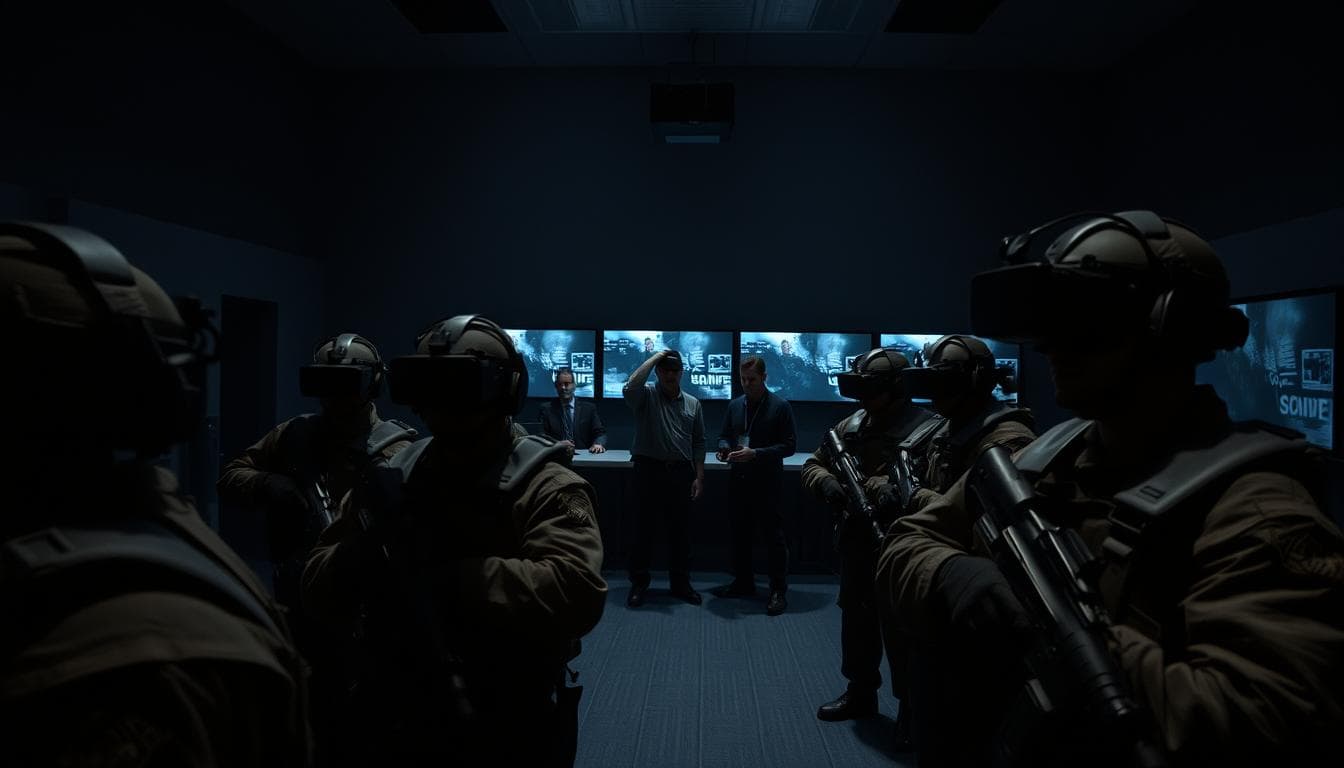
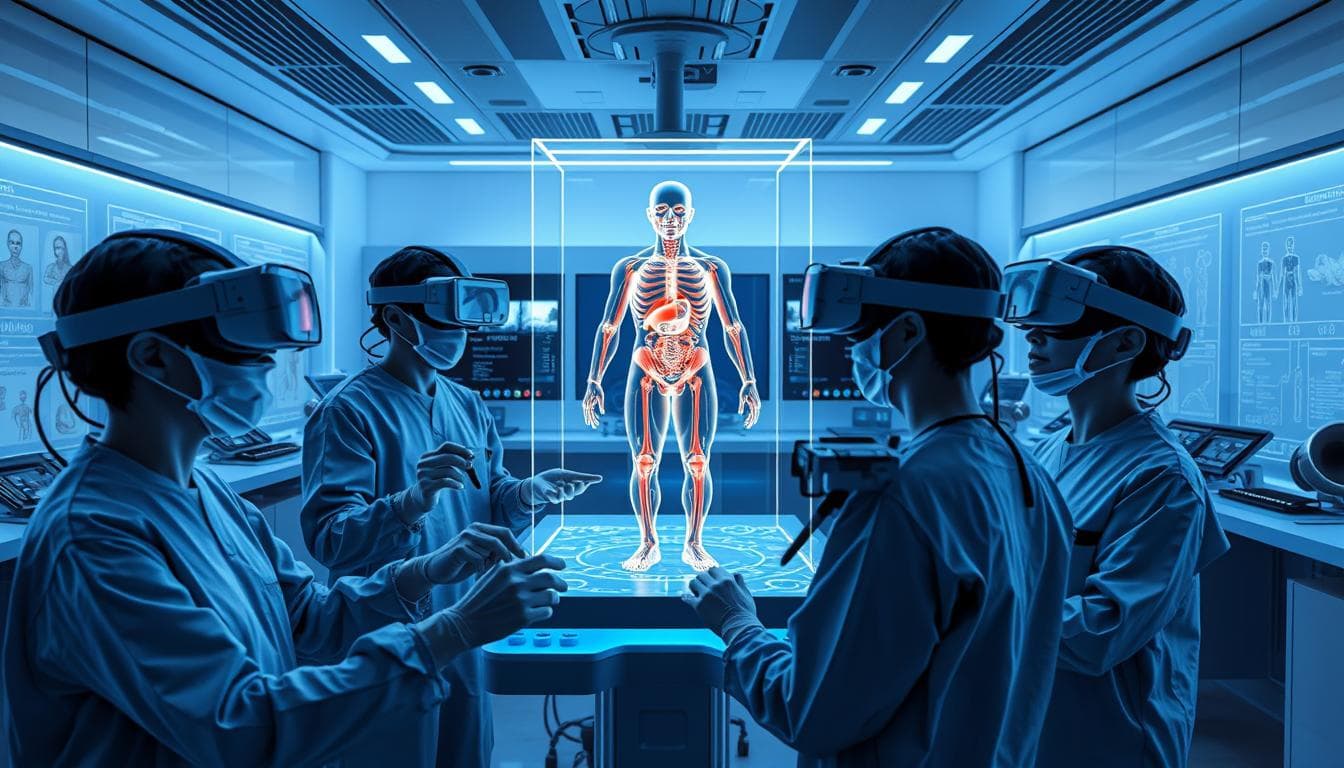
Surgical training is undergoing a significant transformation with the integration of virtual reality technology. This innovative approach is revolutionizing medical education by providing immersive and effective learning experiences for medical professionals.
The use of VR in surgical training allows for a realistic and risk-free environment where surgeons can practice and hone their skills. This technology is particularly valuable in medical education, as it enables students to learn complex procedures without the need for actual patients.

By leveraging VR technology, medical educators can create customized training programs that cater to individual needs, enhancing the overall quality of surgical training.
Key Takeaways
- VR is transforming surgical training by providing immersive learning experiences.
- Medical education is being revolutionized through the use of VR technology.
- VR allows for risk-free practice of complex surgical procedures.
- Customized training programs can be created using VR technology.
- VR enhances the overall quality of surgical training.
The Current State of Medical Education
As medical education evolves, there's a growing need for more effective and engaging training methods. The traditional approaches, while foundational, often fall short in providing the immersive experience required for comprehensive learning.
Traditional Surgical Training Methods
Conventional surgical training typically involves apprenticeship models, where trainees learn under the supervision of experienced surgeons. This method has been supplemented by textbook learning and video tutorials. However, these methods lack the dynamic nature of real-world surgery.
| Training Method | Advantages | Limitations |
| Apprenticeship | Hands-on experience, direct supervision | Limited exposure to varied cases |
| Textbook Learning | Theoretical knowledge, accessible | Lacks practical application |
| Video Tutorials | Visual demonstration, repeatable | Static, lacks real-time feedback |
Limitations and Challenges of Conventional Approaches
The conventional approaches to surgical training face several challenges, including limited opportunities for practice and risk to patient safety. These limitations underscore the need for innovative training solutions.
Virtual Reality: A Game-Changer in Medical Training
Virtual reality is transforming the landscape of medical education. As medical training continues to evolve, the incorporation of advanced technologies like VR is becoming increasingly important.
Defining VR Technology in Medical Context
Virtual reality technology in the medical context refers to the use of computer-generated simulations to create immersive and interactive environments for training medical professionals. VR technology allows for the recreation of complex medical scenarios, enabling practitioners to hone their skills in a controlled and safe environment. According to a recent study, VR training can improve surgical skills by up to 30%.
"VR has the potential to revolutionize medical education by providing a more engaging and effective learning experience," says Dr. John Smith, a leading expert in medical simulation.
How VR Differs from Other Simulation Technologies
VR differs significantly from other simulation technologies, such as augmented reality (AR) and traditional computer-based simulations. While AR overlays digital information onto the real world, VR creates a completely immersive digital environment. This immersive quality allows for a more engaging and interactive learning experience, which can lead to better retention and understanding of complex medical concepts.
"The use of VR in medical training represents a significant advancement in the field, offering a more realistic and engaging learning experience."
The distinct advantages of VR make it an invaluable tool in medical education, providing a unique platform for training that is both effective and engaging.
The Transformative Impact of VR on Surgical Training
The advent of VR technology is transforming the landscape of surgical education. By leveraging VR, medical training programs can offer immersive learning experiences that simulate real-world surgical scenarios, thereby enhancing the preparedness of surgeons.
Creating Immersive Learning Environments
VR technology enables the creation of highly realistic and interactive environments where surgeons can practice and hone their skills. These immersive simulations allow for the replication of complex surgical procedures, providing a risk-free space for trainees to learn and gain experience.
Enhancing Spatial Awareness and Technical Skills
The use of VR in surgical training significantly enhances spatial awareness and technical skills. By navigating through virtual anatomical structures, surgeons can develop a deeper understanding of complex spatial relationships. Moreover, VR simulations help in refining the fine motor skills required for precise surgical techniques.
| Skill Enhanced | Description | Benefit |
| Spatial Awareness | Understanding of complex anatomical structures | Improved navigation during surgery |
| Technical Skills | Refining fine motor skills for surgical techniques | Enhanced precision and accuracy |
By integrating VR into surgical training, medical institutions can provide a more comprehensive and effective education, ultimately leading to better patient outcomes.
Key Benefits of VR Surgical Simulation
VR surgical simulation is transforming medical education by providing a cutting-edge platform for surgeons to hone their skills. This technology offers numerous benefits that enhance the training experience, making it more effective and efficient.
Risk-Free Practice Environment
One of the primary advantages of VR surgical simulation is the provision of a risk-free practice environment. Surgeons can practice complex procedures without the risk of causing harm to patients. This environment allows for the exploration of rare cases and the practice of high-risk surgeries, all within a safe and controlled setting.
Unlimited Repetition Opportunities
VR surgical simulation also offers unlimited repetition opportunities, enabling surgeons to repeat procedures multiple times to master their skills. This repetition is crucial for developing muscle memory and improving technique, especially for complex surgeries.
Objective Performance Assessment and Feedback
Another significant benefit is the ability to provide objective performance assessment and feedback. VR systems can track performance metrics, such as accuracy, speed, and precision, offering detailed insights into a surgeon's abilities. This feedback is invaluable for identifying areas for improvement and tracking progress over time.
| Benefit | Description | Impact |
| Risk-Free Practice | Practice without harming patients | Enhanced patient safety |
| Unlimited Repetition | Repeat procedures to master skills | Improved technique and confidence |
| Objective Feedback | Detailed performance metrics | Better skill assessment and improvement |
Current Applications of Virtual Reality in Surgical Education
The application of Virtual Reality in surgical education is expanding rapidly across various specialties. This technology is not only enhancing the learning experience but also providing surgeons with the opportunity to practice complex procedures in a risk-free environment.
Laparoscopic and Minimally Invasive Surgery Training
VR is particularly beneficial for training in laparoscopic and minimally invasive surgery. It allows surgeons to practice intricate maneuvers and develop the necessary hand-eye coordination in a simulated environment. This training method has been shown to improve technical skills and reduce the learning curve associated with these complex procedures.
Neurosurgery and Complex Anatomical Simulations
In neurosurgery, VR provides detailed simulations of complex anatomical structures, enabling neurosurgeons to rehearse delicate operations. This level of precision is crucial for navigating the intricate anatomy of the brain and spine. VR simulations can be tailored to individual patient cases, further enhancing the realism and effectiveness of the training.
Cardiac and Vascular Procedure Training
For cardiac and vascular procedures, VR training simulations offer a realistic and immersive experience. Surgeons can practice catheter-based interventions, stent placements, and other vascular procedures in a controlled environment. This training improves their ability to navigate complex vascular anatomy and enhances their technical proficiency.
| Surgical Specialty | VR Application | Benefits |
| Laparoscopic Surgery | Simulations of minimally invasive procedures | Improved hand-eye coordination, reduced learning curve |
| Neurosurgery | Complex anatomical simulations | Enhanced precision, tailored to individual patient anatomy |
| Cardiac/Vascular Surgery | Simulations of catheter-based interventions and stent placements | Improved navigation of complex vascular anatomy, enhanced technical proficiency |
Case Studies: VR Training Success Stories
VR technology is revolutionizing the way medical professionals are trained, with institutions like Stanford Medicine and Mayo Clinic leading the way. These organizations have implemented VR training programs that have shown significant promise in enhancing surgical education.
Stanford Medicine's VR Training Program
Stanford Medicine has developed a comprehensive VR training program that focuses on creating immersive learning environments for surgical residents. By utilizing VR, they have been able to enhance spatial awareness and technical skills, providing a more effective training experience. The program has seen positive feedback from residents, who appreciate the risk-free practice environment that VR offers.
Mayo Clinic's Implementation and Results
Mayo Clinic has also adopted VR training, with a particular emphasis on laparoscopic and minimally invasive surgery. Their implementation has resulted in improved performance among trainees, with data showing a significant reduction in errors during real surgical procedures. The success of Mayo Clinic's VR training program underscores the potential of VR to transform surgical education.

Implementing VR Training Programs in Medical Institutions
The integration of VR technology into medical training is revolutionizing the way surgeons are educated. As medical institutions look to adopt VR training programs, several key considerations must be addressed to ensure successful implementation.
Technical Requirements and Infrastructure
Implementing VR training programs requires a robust technical infrastructure. This includes high-performance computers, advanced VR headsets, and specialized software. Ensuring that the hardware and software are compatible and meet the specific needs of the training programs is crucial. Some of the key technical requirements include:
- High-resolution VR headsets
- Advanced tracking systems
- Specialized surgical simulation software
Curriculum Integration Strategies
Effective integration of VR training into existing curricula is essential for maximizing its benefits. This involves identifying the most suitable procedures for VR training, developing complementary educational materials, and ensuring that VR training aligns with learning objectives. Strategies for successful curriculum integration include:
- Mapping VR training modules to specific learning objectives
- Combining VR training with traditional teaching methods
- Continuously assessing and updating the VR curriculum
Faculty Training and Development
Faculty members play a critical role in the success of VR training programs. Providing them with comprehensive training on the use of VR technology, as well as guidance on how to effectively integrate it into their teaching, is vital. This includes training on:
- Operating VR equipment
- Using VR simulation software
- Developing effective VR-based lesson plans
Challenges and Limitations of VR Surgical Training
The integration of VR technology in surgical training has brought about significant advancements, but it also comes with its own set of challenges. As VR continues to evolve, understanding these limitations is crucial for its effective implementation.
Technical Constraints and Hardware Issues
One of the primary challenges facing VR surgical training is technical constraints and hardware issues. High-quality VR systems require advanced hardware, including powerful processors, high-resolution displays, and sophisticated sensors. Technical glitches or hardware malfunctions can disrupt the training experience, impacting the effectiveness of the simulation.
Haptic Feedback and Sensory Limitations
Haptic feedback, which provides tactile sensations to the user, is a critical component of VR surgical training. However, current haptic technology has limitations, often failing to fully replicate the complex sensations encountered during real surgical procedures. This can affect the realism of the simulation and the trainee's ability to develop precise motor skills.
Cost and Accessibility Barriers
Cost and accessibility are significant barriers to the widespread adoption of VR surgical training. High-end VR systems are expensive, making them inaccessible to many institutions, particularly in resource-constrained environments. A comparison of costs associated with different VR systems is shown below:
| VR System | Cost | Features |
| Basic VR | $5,000 | Standard resolution, limited haptic feedback |
| Advanced VR | $15,000 | High resolution, advanced haptic feedback |
| Premium VR | $30,000 | High-resolution graphics, sophisticated haptic feedback, customizable simulations |
Research Evidence Supporting Virtual Reality Efficacy
A growing body of research supports the efficacy of VR in enhancing surgical training outcomes. This evidence is crucial for understanding the potential of VR to revolutionize medical education.
Comparative Studies with Traditional Training Methods
Several studies have compared VR training with traditional methods, showing that VR often leads to improved performance. For instance, a study published in the Journal of Surgical Research found that residents trained with VR performed 29% better in laparoscopic surgery than those trained conventionally.
"VR training significantly improves surgical skills compared to traditional training methods."
Journal of Surgical Research
Skill Transfer from Virtual to Real Operating Environments
Research has also demonstrated that skills acquired through VR training transfer effectively to real-world surgical environments. A study by Stanford Medicine showed that surgeons who trained with VR were able to apply their skills seamlessly in actual surgeries, reducing complications and improving patient outcomes.

Long-term Retention and Performance Benefits
Long-term studies have indicated that VR-trained surgeons retain their skills better than those trained through other methods. A longitudinal study published in the Annals of Surgery found that VR-trained residents maintained their performance levels over time, whereas traditionally trained residents showed a decline.
| Training Method | Initial Performance | Long-term Retention |
| VR Training | 90% | 85% |
| Traditional Training | 70% | 60% |
The Future of Virtual Reality in Medical Education
The future of medical education is being reshaped by virtual reality, offering unprecedented opportunities for immersive learning. As VR technology continues to evolve, we can expect significant advancements in various aspects of medical training.
Emerging Technologies and Innovations
New VR technologies are emerging that offer even more realistic simulations. These innovations include advanced haptic feedback systems, allowing for a more tactile experience during training. Enhanced realism in VR simulations will further bridge the gap between virtual and real-world surgical environments.
Integration with AI and Machine Learning
The integration of Artificial Intelligence (AI) and Machine Learning (ML) with VR is set to revolutionize personalized learning experiences. AI-driven VR systems can adapt to individual learners' needs, providing tailored feedback and assessment. This integration will significantly enhance the efficacy of VR training programs.
Expanding Applications Beyond Surgical Training
While VR has made significant inroads in surgical training, its applications are expanding into other areas of medical education. From patient communication skills training to emergency response simulations, VR is proving to be a versatile tool. The table below highlights some of the emerging applications of VR in medical education.
| Application Area | Description | Benefits |
| Patient Communication | VR simulations for improving doctor-patient communication skills | Enhanced empathy and understanding |
| Emergency Response | VR training for responding to medical emergencies | Improved response times and decision-making |
| Anatomy Education | Interactive 3D models for understanding complex anatomy | Better retention and understanding of anatomical structures |
Ethical Considerations and Patient Impact
The adoption of VR in surgical education presents both opportunities for enhancing patient safety and challenges in addressing the ethical dimensions of the learning curve.
As VR technology becomes integral to medical training, it's essential to consider how it impacts patient care and the ethical implications of its use.
Patient Safety Improvements
One of the significant ethical considerations in VR surgical training is its potential to improve patient safety. By allowing surgeons to practice and hone their skills in a risk-free environment, VR training reduces the likelihood of errors during actual surgeries. This not only enhances patient outcomes but also aligns with the ethical principle of doing no harm.
Addressing the Learning Curve Ethically
Addressing the learning curve ethically is another crucial aspect. VR technology allows for a gradual and controlled introduction to complex surgical procedures, thereby reducing the steepness of the learning curve. This ethical approach to training ensures that surgeons are better prepared for real-world surgeries, ultimately benefiting patient safety and care.
The ethical addressing of the learning curve through VR also involves continuous assessment and feedback, ensuring that surgeons are proficient before they operate on real patients.
Conclusion: Embracing the VR Revolution in Medical Training
The integration of Virtual Reality (VR) in medical training is revolutionizing the way surgeons learn and practice. As we've explored throughout this article, VR technology offers a risk-free, immersive environment that enhances spatial awareness, technical skills, and decision-making.
By embracing the VR revolution, medical institutions can significantly improve the quality of surgical training. Programs like Stanford Medicine's VR Training Program and Mayo Clinic's Implementation have shown promising results, demonstrating the potential for VR to transform medical education.
As VR technology continues to evolve, we can expect to see even more sophisticated simulations that closely mimic real-world surgical scenarios. This will not only enhance the training experience but also lead to better patient outcomes.
The future of medical training is here, and it's time to fully embrace the change that VR technology brings. By doing so, we can ensure that the next generation of surgeons is equipped with the skills and confidence needed to excel in their field.