Beyond the Headset: VR's Impact on Mental Health & Connection
The world of VR technology is rapidly expanding, and its influence extends far beyond the realm of gaming. As we dive into the possibilities of immersive experiences, we're discovering the profound impact it has on our mental health and our ability to form meaningful connections.

As we explore the intersection of virtual reality and mental wellness, we're finding that this technology has the potential to revolutionize the way we approach therapy, social interactions, and emotional support.
Key Takeaways
- The impact of VR on mental health is a rapidly evolving field.
- VR technology is being used to create immersive therapy experiences.
- The potential for VR to enhance human connection is vast.
- VR is revolutionizing the way we approach mental wellness.
- The future of VR in mental health is promising and multifaceted.
The Evolution of Virtual Reality Technology
Virtual reality (VR) has undergone a significant transformation since its inception. What was once considered a staple of science fiction is now a mainstream technology, influencing various aspects of our lives, from entertainment to mental health treatment.
From Science Fiction to Mainstream Reality
The concept of VR has been around for decades, but recent advancements have brought it to the forefront of technology. Hardware innovations have played a crucial role in this transition, making VR more accessible and affordable for the masses.
Key Technological Breakthroughs in VR Development
Hardware Innovations
Advances in VR hardware have been pivotal. High-resolution displays, improved tracking systems, and more comfortable headsets have enhanced the user experience. Companies like Oculus and HTC have been at the forefront of these developments.
Software Advancements
Software has also seen significant advancements, with more sophisticated and interactive VR experiences being developed. VR applications now range from gaming and education to therapy and training programs.
| Technological Aspect | Pre-2010 | Post-2010 |
| Display Resolution | Low | High |
| Tracking Systems | Basic | Advanced |
| User Experience | Limited | Immersive |
The evolution of VR technology is a testament to human innovation and the desire to push boundaries. As VR continues to advance, we can expect even more exciting developments in the field.
Understanding How Virtual Reality Works
Delving into the world of virtual reality reveals a sophisticated interplay of technologies that work together to transport users to new and imaginative environments. At its core, VR is about creating an immersive experience that simulates presence in a virtual world.
The Science Behind Immersive Experiences
The science behind VR's immersive experiences lies in its ability to trick the brain into believing the virtual environment is real. This is achieved through a combination of high-resolution displays, precise tracking systems, and sophisticated software. High-quality VR headsets use advanced optics and sensors to monitor the user's head movements, adjusting the display in real-time to create a seamless experience.
Different Types of VR Systems and Platforms
VR systems can be categorized based on their hardware and functionality. Understanding these differences is crucial for selecting the right VR solution for your needs.
Tethered vs. Standalone Headsets
Tethered headsets, like the Oculus Rift, are connected to a powerful computer, offering high-end graphics and processing capabilities. In contrast, standalone headsets, such as the Oculus Quest, are self-contained units that don't require a separate computer or console, offering greater convenience and portability.
Mobile VR Solutions
Mobile VR solutions utilize smartphones to deliver VR experiences. While they offer an affordable entry point into VR, their capabilities are generally more limited compared to tethered or standalone headsets.
When choosing a VR system, it's essential to consider factors like budget, desired level of immersion, and the type of experiences you want to enjoy. By understanding the different types of VR systems and platforms available, you can make an informed decision that meets your needs.
Virtual Reality Applications in Mental Health Treatment
Mental health treatment is being transformed by the integration of virtual reality, providing new avenues for therapy and healing. Virtual reality (VR) technology offers immersive experiences that can simulate real-world environments, making it an invaluable tool for therapists and patients alike.
Exposure Therapy for Anxiety and Phobias
One of the most significant applications of VR in mental health is exposure therapy for individuals suffering from anxiety disorders and specific phobias. By gradually exposing patients to the source of their fear in a controlled environment, VR helps reduce anxiety over time.
PTSD Treatment Through Controlled Environments
For individuals with Post-Traumatic Stress Disorder (PTSD), VR provides a safe space to confront and process traumatic memories. Therapists can control the environment, adjusting it according to the patient's comfort level, making it an effective tool for PTSD treatment.
Depression Management and Mood Enhancement
VR is also being explored for its potential in managing depression and enhancing mood. Immersive experiences that simulate natural environments or provide calming interactions can help alleviate symptoms of depression.
Case Studies and Success Stories
Several case studies have demonstrated the effectiveness of VR in mental health treatment. For instance, a study on exposure therapy using VR showed significant reduction in anxiety levels among participants.
| Therapy Type | VR Application | Benefits |
| Exposure Therapy | Simulates environments to confront fears | Reduces anxiety, effective for phobias |
| PTSD Treatment | Controlled exposure to traumatic memories | Safe processing of trauma, symptom reduction |
| Depression Management | Immersive calming experiences | Mood enhancement, symptom alleviation |
The integration of VR in mental health treatment represents a significant step forward in therapy and healing. As technology continues to evolve, we can expect to see even more innovative applications of VR in this field.
VR as a Tool for Mindfulness and Stress Reduction
The immersive nature of VR makes it an ideal tool for practicing mindfulness and alleviating stress. By creating controlled, calming environments, VR technology offers users a unique opportunity to relax and focus their minds.
Meditation Applications in Virtual Environments
VR meditation applications provide guided sessions that help users achieve a state of mindfulness. These sessions often take place in serene virtual landscapes, such as beaches or forests, which are designed to promote relaxation.

Nature-Based VR Experiences for Relaxation
Nature-based VR experiences are particularly effective for stress reduction. By immersing users in natural environments, such as mountains or oceans, VR helps to calm the mind and reduce anxiety.
Biofeedback Integration in VR Wellness Programs
The integration of biofeedback in VR wellness programs enhances their effectiveness. By monitoring physiological responses, such as heart rate and skin conductance, VR systems can adjust the experience to optimize relaxation and mindfulness.
Overall, VR is proving to be a valuable tool in the pursuit of mindfulness and stress reduction, offering a range of experiences tailored to individual needs.
The Therapeutic Potential of Virtual Reality for Trauma Recovery
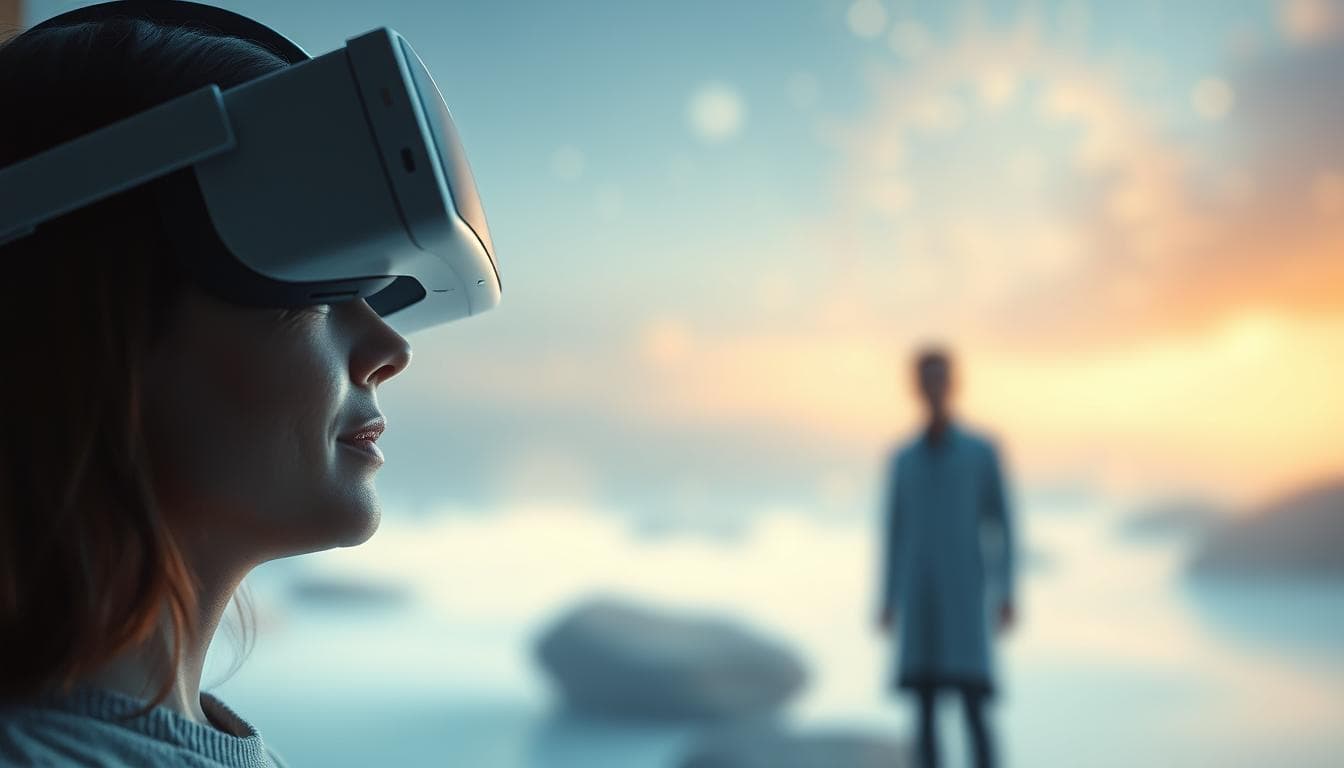
Virtual reality is emerging as a groundbreaking tool in the realm of trauma recovery, offering new avenues for healing. By creating immersive and controlled environments, VR technology allows individuals to confront and process their traumatic experiences in a safe and gradual manner.
Creating Safe Spaces for Processing Difficult Emotions
One of the key benefits of VR in trauma recovery is its ability to create safe spaces for individuals to process difficult emotions. VR environments can be tailored to the specific needs of the individual, providing a sense of security and comfort. This is particularly important for those who struggle with traditional talk therapy or find it challenging to confront their trauma in a conventional setting.
"VR has the potential to revolutionize the way we approach trauma recovery by providing a platform that is both immersive and controllable." - Dr. John Smith, Trauma Recovery Specialist
Gradual Exposure and Desensitization Techniques
Gradual exposure and desensitization are crucial techniques in trauma recovery. VR facilitates these processes by allowing individuals to gradually confront their traumatic memories in a controlled and safe environment. This can lead to significant reductions in anxiety and avoidance behaviors associated with the trauma.
| Therapy Technique | Traditional Method | VR-Enhanced Method |
| Gradual Exposure | Imaginal exposure through narrative | Immersive VR environments simulating the traumatic experience |
| Desensitization | Progressive muscle relaxation and cognitive restructuring | Interactive VR exercises promoting relaxation and cognitive reappraisal |
Therapist-Guided vs. Self-Guided VR Therapy
The debate between therapist-guided and self-guided VR therapy is ongoing. While therapist-guided therapy offers the benefit of professional oversight and support, self-guided therapy provides individuals with autonomy and flexibility. Both approaches have their merits, and the choice between them may depend on the individual's specific needs and circumstances.
In conclusion, VR holds significant therapeutic potential for trauma recovery. By creating safe spaces, facilitating gradual exposure, and offering both therapist-guided and self-guided therapy options, VR technology is poised to make a substantial impact in the field of mental health.
Social Connection in Virtual Spaces
By providing immersive and interactive environments, VR is opening up fresh avenues for social connection that transcend physical limitations. This technology is not just about entertainment; it's also about creating meaningful interactions that can significantly impact our mental health and sense of community.
Building Communities Beyond Physical Limitations
VR social platforms are at the forefront of this revolution, allowing people to connect with others across the globe in a more intimate and engaging way than traditional social media. These platforms enable users to create their avatars, explore virtual environments together, and participate in various activities, from casual chats to organized events.

VR Social Platforms and Their Impact on Isolation
The impact of VR social platforms on isolation is profound. For individuals who are mobility-restricted due to health issues, age, or disability, these platforms offer a lifeline to the outside world. They can participate in social activities, make new friends, and feel connected to a community, all from the comfort and safety of their own homes.
Benefits for Mobility-Restricted Individuals
For those who find it challenging to leave their homes or have difficulty interacting in traditional social settings, VR offers a unique opportunity to engage with others. As noted by a recent study, "VR technology has the potential to revolutionize the way we think about social interaction, making it more accessible and inclusive."
"VR is not just a tool for escapism; it's a bridge to new experiences and connections."
Creating Meaningful Relationships in Virtual Worlds
The immersive nature of VR allows for deeper connections to be formed. Users can engage in shared activities, collaborate on projects, or simply hang out in a virtual space, fostering a sense of belonging and community. As VR technology continues to evolve, the potential for creating meaningful, lasting relationships in virtual worlds is vast.
The Double-Edged Sword: Potential Risks of Extended VR Use
The immersive nature of VR can have a double-edged effect, bringing about both positive and negative consequences. As VR technology advances and becomes more integrated into our daily lives, it's essential to examine the potential risks associated with its extended use.
Escapism and Addiction Concerns
One of the primary concerns with extended VR use is the potential for escapism and addiction. VR environments can be so engaging and realistic that users may find themselves spending increasing amounts of time within these virtual worlds, potentially at the expense of their real-life responsibilities and relationships. Studies have shown that excessive VR use can lead to symptoms akin to addiction, including neglect of personal duties and continued use despite negative consequences.
Physical and Psychological Side Effects
Extended VR use has also been linked to various physical and psychological side effects. Users may experience discomfort, eye strain, and headaches due to the prolonged use of VR headsets. Moreover, the immersive nature of VR can lead to more severe psychological effects, including:
- Motion Sickness and Disorientation: The conflicting signals between what the body feels and what the eyes see in VR can cause motion sickness and disorientation in some users.
- Reality Distortion and Dissociation: Prolonged exposure to VR environments can blur the lines between the virtual and real worlds, potentially leading to reality distortion and dissociation.
The Risk of Further Social Disconnection
While VR has the potential to connect people across distances, there's also a risk that it could exacerbate social disconnection if not used thoughtfully. Spending too much time in virtual environments might lead to decreased face-to-face interaction, potentially worsening feelings of loneliness and isolation.
"The impact of VR on social connections is complex and multifaceted, requiring careful consideration to ensure it enhances rather than diminishes our interpersonal relationships."
As VR continues to evolve, it's crucial to address these potential risks proactively. By understanding the potential downsides of extended VR use, we can work towards mitigating them and ensuring that VR technology is developed and used in ways that promote healthy, balanced interactions between the virtual and real worlds.
Research and Evidence on Virtual Reality's Mental Health Benefits
As virtual reality technology continues to evolve, research into its mental health benefits has become increasingly sophisticated, offering insights into its therapeutic potential.
Current Scientific Studies and Their Findings
Recent studies have demonstrated the efficacy of VR in treating various mental health conditions. For instance, VR exposure therapy has been shown to significantly reduce symptoms of PTSD and anxiety disorders.
A study published in the Journal of Clinical Psychology found that VR-based exposure therapy resulted in significant reductions in symptoms of PTSD among veterans.
Limitations of Existing Research
While the findings are promising, there are several limitations to the existing research. Many studies have small sample sizes, and there's a need for more diverse participant pools.
Promising Areas for Future Investigation
Future research should focus on long-term effects of VR therapy, comparing its efficacy to traditional treatments, and exploring its potential in treating a wider range of mental health conditions.
| Condition | VR Therapy Effectiveness | Study Findings |
| PTSD | High | Significant reduction in symptoms |
| Anxiety Disorders | Moderate to High | Reduced anxiety in exposure therapy |
| Depression | Moderate | Improvement in mood and reduced symptoms |
Accessibility and Equity Issues in VR Mental Health Applications
VR's potential to revolutionize mental health care is tempered by issues of accessibility and equity that must be addressed. As VR technology becomes more prevalent in treatment protocols, it's crucial to consider who can benefit from these advancements and who might be left behind.
Cost Barriers to VR Technology
One of the primary concerns regarding VR accessibility is the cost associated with VR technology. High-end VR headsets and compatible computers can be expensive, potentially limiting access for individuals from lower socioeconomic backgrounds. To address this, some companies are developing more affordable VR solutions, and there's a growing interest in standalone VR headsets that don't require a separate computer.
Designing Inclusive VR Experiences
Creating VR experiences that are inclusive and accessible to a wide range of users is crucial for equitable mental health care. This involves several considerations:
- Considerations for Different Abilities: VR experiences should be designed to accommodate users with various abilities, including those with mobility impairments or sensory sensitivities.
- Cultural Sensitivity in Virtual Environments: VR environments should be culturally sensitive, avoiding stereotypes and ensuring that the content is relevant and respectful to diverse user backgrounds.
By prioritizing inclusive design and cultural sensitivity, developers can create VR mental health applications that are accessible to a broader audience, thereby enhancing equity in mental health care.
The Future of Virtual Reality in Mental Healthcare and Human Connection
Emerging technologies are set to transform the role of virtual reality in mental healthcare. As VR technology continues to evolve, it's likely to have a profound impact on how we approach mental health treatment and social connection.
Advancements in VR Technology
New developments in VR are making it more accessible and effective for mental health applications. Improved graphics and interactive capabilities are enhancing the immersive experience, allowing for more realistic simulations that can be tailored to individual needs.
Integration with Traditional Therapy
The future of VR in mental health involves integrating it with traditional therapy models. This blended approach can offer the best of both worlds, combining the benefits of in-person therapy with the immersive, controlled environments that VR provides.
| Benefits | Traditional Therapy | VR-Enhanced Therapy |
| Immersive Experience | Limited | High |
| Customization | Moderate | High |
| Accessibility | Moderate | High |
Addressing Ethical Considerations
As VR becomes more prevalent in mental health, it's crucial to address the ethical considerations. This includes ensuring patient privacy, managing the potential for dependency on VR, and establishing guidelines for its use in therapy settings.
The future of VR in mental healthcare is promising, with emerging technologies and approaches set to enhance treatment outcomes and improve human connection.
Conclusion: Finding Balance in Our Virtual and Physical Lives
As we continue to navigate the ever-evolving landscape of virtual reality, it's essential to strike a balance between our virtual and physical lives. The potential benefits of VR in mental health treatment, social connection, and mindfulness are vast, but so are the risks of extended use.
By understanding the impact of VR on our well-being and taking steps to mitigate potential negative effects, we can harness its power to enhance our lives. This involves being mindful of our VR use, ensuring accessibility and equity, and promoting responsible innovation.
Ultimately, finding balance in our virtual and physical lives requires a nuanced approach. By embracing the benefits of VR while maintaining a connection to the physical world, we can create a healthier, more harmonious relationship between technology and our humanity.