VR for Career Exploration: Guiding Students to Success
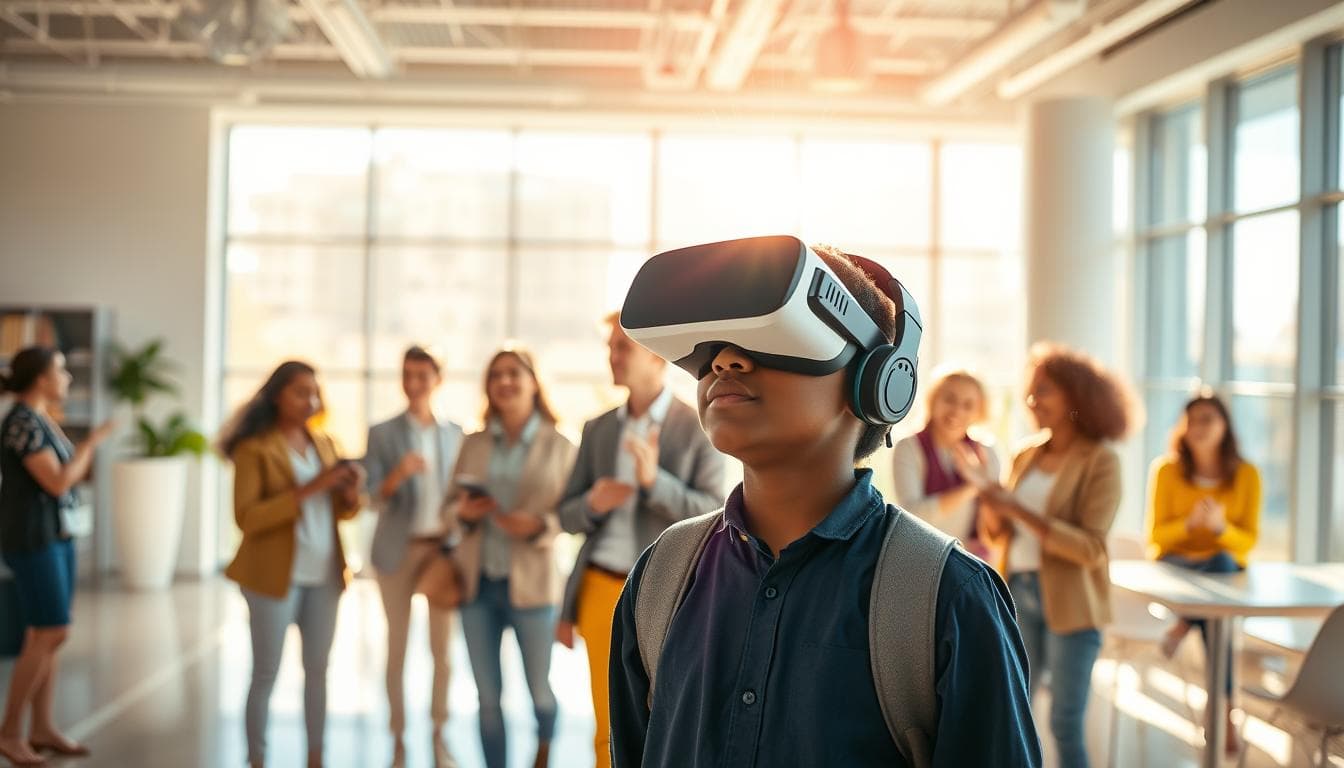
Guiding students to success in their future careers is a crucial aspect of education. With the advent of virtual reality (VR), a new dimension has been added to career exploration. VR technology provides an immersive experience, allowing students to explore various careers in a highly interactive and engaging manner.

By leveraging VR, students can gain practical insights into different professions, helping them make informed decisions about their career paths. This innovative approach to career guidance not only enhances the learning experience but also prepares students for the challenges of the modern workforce.
Key Takeaways
- VR enhances career exploration by providing immersive experiences.
- Students can gain practical insights into various professions.
- VR prepares students for the challenges of the modern workforce.
- It aids in making informed decisions about career paths.
- VR technology is a valuable tool in modern education.
The Evolution of Career Guidance in Modern Education
Career counseling has transformed significantly in contemporary educational environments. As the job market becomes increasingly complex, the need for effective career guidance has never been more critical.
Limitations of Traditional Career Counseling Methods
Traditional career counseling methods often rely on static resources such as textbooks and one-size-fits-all assessments. These methods can be limiting, as they fail to provide students with real-world insights into various careers.
Why Students Need Immersive Career Experiences
Immersive career experiences, on the other hand, allow students to explore different professions in a more engaging and interactive way. This is where VR technology comes into play, offering immersive learning experiences that simulate real-world work environments.
| Traditional Methods | Immersive Experiences |
| Static resources (textbooks, assessments) | Interactive simulations (VR technology) |
| Limited real-world insights | Realistic career previews |
| One-size-fits-all approach | Personalized exploration |
By leveraging VR for career exploration, educational institutions can provide students with a more comprehensive understanding of various careers, ultimately enhancing their career guidance experience.
Virtual Reality Technology: Transforming Career Discovery
Virtual reality technology is revolutionizing the way students explore careers by providing immersive experiences that were previously unimaginable. This transformation is particularly significant in educational settings where students can now engage with complex concepts in a more interactive and engaging manner.
How VR Creates Immersive Learning Environments
VR technology creates immersive learning environments by simulating real-world scenarios, allowing students to explore different career paths in a highly interactive way. This immersive experience is facilitated through the use of VR headsets and specialized software that can replicate the conditions of various workplaces.
The Psychology Behind Immersive Career Exploration
The psychology behind immersive career exploration suggests that when students are actively engaged in simulated work environments, they are more likely to develop a deeper understanding of the career requirements and challenges. This experiential learning can lead to more informed career decisions.
VR Hardware and Software Essentials for Education
For effective implementation in educational settings, VR hardware such as high-resolution headsets and compatible computers are essential. Additionally, educational institutions need to invest in software that is specifically designed for career exploration, offering a range of career simulations.
| VR Hardware | Software Requirements | Educational Benefits |
| High-resolution VR headsets | Career simulation software | Enhanced engagement |
| Compatible computers or consoles | Educational content platforms | Informed career decisions |
| Controllers and sensors | Industry-specific applications | Realistic career previews |
Key Benefits of VR-Based Career Exploration
VR-based career exploration is revolutionizing the way students discover their professional paths. By providing immersive and interactive experiences, VR technology is transforming the landscape of career guidance in education.
Experiencing Careers Before Committing
One of the primary advantages of VR-based career exploration is the ability for students to experience different careers before making a commitment. This virtual try-before-you-buy approach allows students to gain firsthand insight into various professions, helping them make more informed decisions about their future.
Reducing Decision Anxiety Through Virtual Exposure
VR exposure helps reduce decision anxiety by familiarizing students with the realities of different careers. Through virtual experiences, students can better understand the day-to-day responsibilities of various professions, making it easier to choose a career path that aligns with their interests and skills.
Breaking Geographic and Socioeconomic Barriers
VR technology breaks down geographic and socioeconomic barriers by providing access to career experiences that might otherwise be out of reach. Students from all backgrounds can explore careers in various industries without the need for physical presence or extensive resources.
Building Confidence Through Virtual Skill Practice
Virtual Reality enables students to practice and develop essential skills in a safe and controlled environment. By building confidence in their abilities through virtual skill practice, students are better prepared to tackle real-world challenges in their chosen careers.
By embracing VR-based career exploration, educational institutions can provide students with a comprehensive and inclusive career development program. This approach not only enhances student outcomes but also prepares them for success in an increasingly competitive job market.
How Virtual Reality Transforms Student Career Decision-Making
By providing realistic simulations, virtual reality is changing how students decide on their future careers. This technology offers a unique opportunity for students to experience different career paths in a controlled and immersive environment.
From Abstract Concepts to Concrete Experiences
Virtual reality transforms abstract career concepts into tangible experiences. Students can explore various professions, understanding the day-to-day responsibilities and challenges associated with each career. This hands-on approach helps students make more informed decisions about their future.
Enabling Informed Career Choices Through Simulation
Simulation-based career exploration allows students to test their skills and interests in a risk-free environment. They can try different roles, receive feedback, and adjust their career aspirations accordingly. As noted by educational experts, "Simulation-based learning provides a powerful tool for career exploration, allowing students to experience careers firsthand."
"Simulation-based learning provides a powerful tool for career exploration, allowing students to experience careers firsthand."
Developing Career Identity Through Virtual Role-Playing
Virtual role-playing enables students to develop their career identity by practicing professional skills and scenarios. This interactive approach helps build confidence and prepares students for real-world challenges. Key benefits include:
- Enhanced career awareness
- Improved decision-making skills
- Increased confidence in career choices
By leveraging virtual reality technology, educational institutions can provide students with a more engaging and effective career exploration experience. This innovative approach is set to revolutionize the way students discover and pursue their career paths.
Industry-Specific Virtual Reality Career Applications
Virtual Reality (VR) is revolutionizing career exploration across multiple industries. By providing immersive and interactive experiences, VR is helping students gain a deeper understanding of various career paths. This technology is being adopted across different sectors, each with its unique applications and benefits.
Healthcare and Medical Professions
In healthcare, VR is used to simulate surgeries, patient care scenarios, and other medical procedures. This allows students to gain hands-on experience in a controlled environment. For instance, VR can be used to train medical students in performing complex surgeries, thereby enhancing their skills and confidence.
Engineering and Technical Fields
VR is transforming engineering education by providing virtual labs and simulation environments. Students can explore complex engineering concepts and work on projects in a virtual setting, which enhances their understanding and retention of the material. Companies like Autodesk are already using VR to create immersive learning experiences for engineering students.
Creative Industries and Design
In the creative industries, VR is being used to provide students with immersive design experiences. For example, VR can be used in architecture to allow students to explore and interact with building designs in a virtual environment. This enhances their creativity and helps them develop their design skills.
Business, Finance, and Entrepreneurship
VR is also being applied in business and finance education to simulate real-world business scenarios. Students can participate in virtual business simulations, where they can make decisions and see the consequences of those decisions in a risk-free environment. This helps them develop critical thinking and problem-solving skills.
Trades and Manufacturing
In trades and manufacturing, VR is used to train students in various technical skills. For example, VR can simulate welding, electrical work, and other trades, allowing students to practice and hone their skills without the need for physical equipment.
These industry-specific VR applications are not only enhancing career exploration but also preparing students for the workforce by providing them with relevant skills and experiences. As VR technology continues to evolve, its impact on career education is expected to grow.
Implementing Effective VR Career Programs in Educational Settings
To successfully integrate VR career programs, educational institutions must consider several key factors. Implementing VR technology in educational settings can be complex, but with careful planning, it can significantly enhance career guidance for students.
Technology Infrastructure Requirements
A robust technology infrastructure is essential for supporting VR career programs. This includes high-performance computers, compatible operating systems, and sufficient storage for VR content. Institutions must also ensure reliable internet connectivity and consider the cost of maintaining and upgrading their infrastructure.
| Infrastructure Component | Requirements | Considerations |
| Hardware | High-performance VR-capable computers | Cost, compatibility, upgradeability |
| Software | VR platforms and career-specific applications | Licensing, updates, user support |
| Networking | Reliable, high-speed internet | Bandwidth, security, scalability |
Curriculum Integration Strategies
Effective integration of VR career programs into existing curricula is crucial. This involves aligning VR experiences with learning objectives and ensuring that they complement traditional teaching methods. Educators should be trained to incorporate VR technology seamlessly into their lesson plans.

Training Requirements for Educators and Counselors
Educators and counselors need comprehensive training to effectively utilize VR career programs. This training should cover the technical aspects of VR technology, as well as strategies for integrating VR into career guidance and counseling sessions.
Budgeting and Funding Considerations
Institutions must carefully budget for VR career programs, considering not only the initial investment in hardware and software but also ongoing costs such as maintenance, updates, and training. Exploring funding opportunities and grants can help offset these costs.
By addressing these key areas, educational institutions can successfully implement VR career programs, providing students with immersive and effective career exploration experiences.
Success Stories: Measuring VR's Impact on Student Career Outcomes
Success stories from various educational institutions highlight the positive impact of VR on student career outcomes. Schools and universities across the country have implemented VR programs to help students explore career options in an immersive environment.
High School Implementation Case Studies
In high schools, VR has been used to introduce students to various career paths. For instance, a study conducted in a California school district found that students who used VR for career exploration showed a 25% increase in confidence when discussing their future career plans.
College and University Success Metrics
At the collegiate level, VR has been integrated into career counseling services. A university in New York reported that students who participated in VR career simulations had a 30% higher job placement rate compared to those who did not.
Workforce Development Program Results
Workforce development programs have also seen significant benefits from incorporating VR. A program in Texas saw a 40% reduction in training time for new employees who used VR as part of their onboarding process.
Student Testimonials and Career Trajectory Changes
Students who have used VR for career exploration often report a significant shift in their career aspirations. One student noted, "Using VR helped me realize that I was interested in a career I had never considered before."
| Institution Type | Outcome | Metric |
| High School | Confidence Increase | 25% |
| College/University | Job Placement Rate | 30% |
| Workforce Development | Training Time Reduction | 40% |
Overcoming Challenges in VR Career Guidance Implementation
VR career guidance brings numerous benefits, yet several challenges need to be addressed for effective implementation. As educational institutions increasingly adopt this technology, understanding and mitigating these challenges becomes crucial for success.
Addressing Technology Access and Equity Issues
One of the primary challenges is ensuring equitable access to VR technology. Institutions must consider the digital divide and implement strategies to provide equal opportunities for all students. This can involve investing in accessible VR hardware and software, as well as providing training for educators and staff.
| Strategy | Description | Benefit |
| Accessible VR Hardware | Invest in VR headsets that are comfortable and easy to use | Increased student engagement |
| Software Accessibility | Choose VR platforms with user-friendly interfaces | Reduced training time for educators |
| Staff Training | Provide comprehensive training on VR technology | Enhanced support for students |
Ensuring Content Quality and Industry Accuracy
Another significant challenge is ensuring that VR content is both high-quality and accurate in representing various careers. This requires collaboration with industry partners to develop realistic simulations that reflect current workplace environments and demands.
Managing Student Expectations vs. Reality
It's essential to manage student expectations by providing a balanced view of career realities. VR experiences should be complemented with real-world insights to prevent unrealistic expectations.
Measuring ROI for Educational Institutions
Finally, measuring the return on investment (ROI) for VR career guidance programs is crucial. Institutions should track metrics such as student engagement, career clarity, and post-graduation outcomes to assess the effectiveness of their VR initiatives.
The Future of Virtual Reality in Career Development
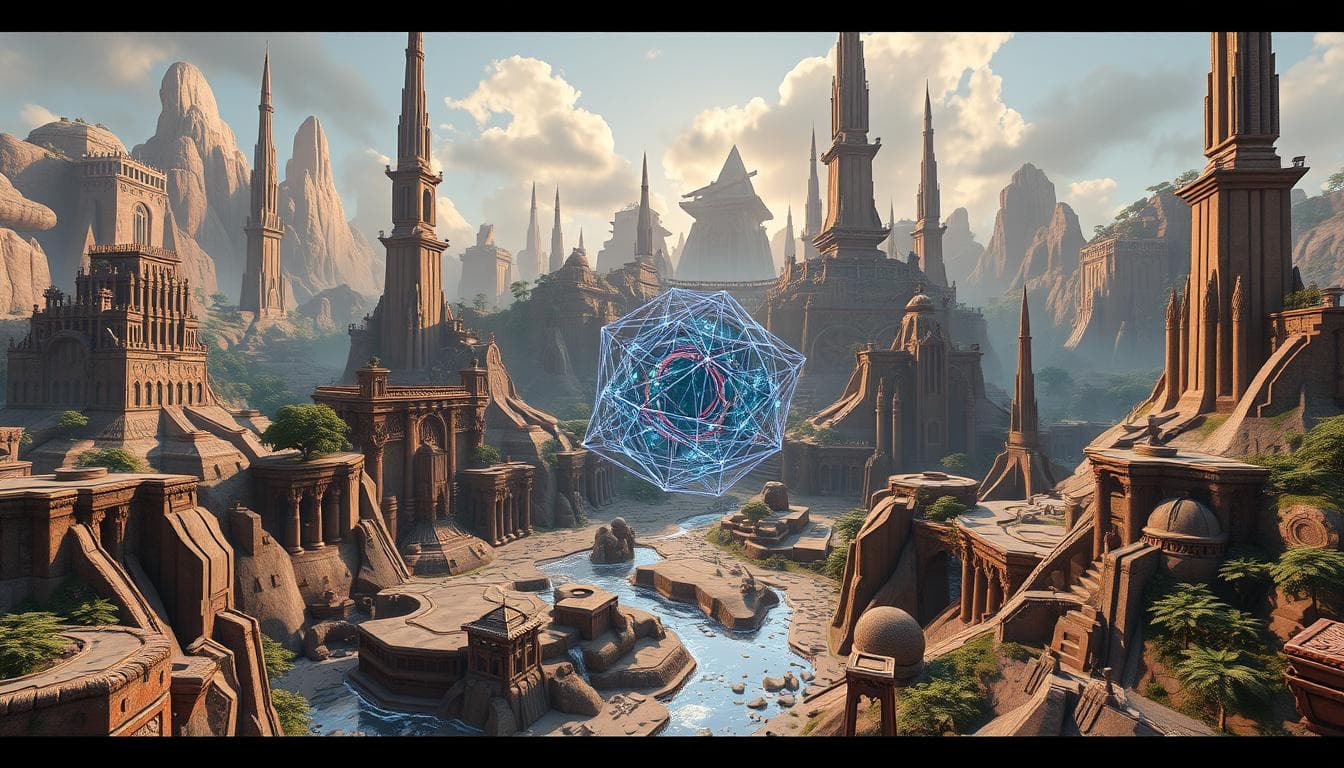
As we look to the future, virtual reality is poised to revolutionize career development in ways we're just beginning to understand. The convergence of emerging technologies and innovative platforms is set to transform how we explore and engage with various career paths.
Innovative Technologies and Platforms
The future of VR in career development will be shaped by advancements in hardware and software. Next-generation VR headsets will offer higher resolution and more comfortable wear, making extended use more practical. Cloud-based VR platforms will enable seamless access to career exploration tools from any location.

AI-Driven Career Guidance
Artificial intelligence will play a crucial role in enhancing VR career development tools. AI algorithms will analyze user interactions within VR environments to provide personalized career recommendations. This integration will help individuals discover career paths that align with their skills and interests.
Industry-Education Collaborations
The future will see increased collaboration between educational institutions and industries. These partnerships will lead to the development of more accurate and relevant VR career simulations, giving students a realistic preview of various professions.
Preparing for the Metaverse
As we move towards the metaverse, career education will need to adapt. The metaverse will offer immersive, interactive environments for career exploration, potentially changing how we learn and interact with career information.
Essential Resources for VR Career Exploration Programs
To effectively integrate VR into career guidance, educators need a comprehensive set of resources. These resources enable the creation of immersive and informative experiences that can significantly impact students' career trajectories.
Leading VR Platforms for Educational Settings
Several VR platforms are particularly well-suited for educational settings. These include:
- Unimersiv: Offers a wide range of educational VR experiences.
- Google Expeditions: Provides virtual field trips and career exploration content.
- zSpace: Combines VR/AR technology with interactive learning experiences.
Career-Specific VR Applications and Content
To make VR career exploration effective, institutions need access to career-specific VR applications and content. Some notable examples include:
- Healthcare Simulations: VR experiences that simulate medical procedures.
- Engineering and Manufacturing: Applications that provide hands-on experience with engineering tools and manufacturing processes.
Funding Sources and Grant Opportunities
Securing funding is crucial for implementing VR career exploration programs. Potential sources include:
- Federal and state education grants.
- Private foundation grants focused on education and technology.
- Corporate sponsorships from companies interested in workforce development.
Professional Development Resources for Educators
To maximize the effectiveness of VR career exploration programs, educators need access to professional development resources. These include:
- Workshops on integrating VR into career counseling.
- Online courses on creating effective VR experiences.
- Conferences focused on VR in education.
Best Practices for Maximizing Student Success with VR Career Guidance
Implementing VR career guidance effectively requires a strategic approach to maximize student success. To achieve this, educators must consider several best practices that enhance the learning experience and provide students with meaningful career insights.
Creating Structured and Progressive VR Experiences
Developing a structured VR curriculum that progressively introduces students to various career paths is essential. This approach allows students to build upon their knowledge and experiences, gaining a deeper understanding of different careers. By incorporating a range of VR experiences, educators can cater to diverse learning styles and interests.
Facilitating Meaningful Reflection and Discussion
After each VR experience, facilitating meaningful reflection and discussion is crucial. This involves encouraging students to share their observations, thoughts, and feelings about the careers they've explored. Such discussions help students connect their virtual experiences to real-world career considerations.
Connecting Virtual Experiences to Real-World Opportunities
To maximize the impact of VR career guidance, educators should connect virtual experiences to real-world opportunities. This can involve inviting industry professionals to speak to students, arranging job shadowing or internships, or providing resources for further learning. By making these connections, educators can help students see the practical applications of their VR experiences.
Developing Personalized Career Exploration Pathways
Finally, developing personalized career exploration pathways is vital for student success. By using VR to offer tailored career guidance, educators can help students explore careers that align with their interests, skills, and aspirations. This personalized approach enhances student engagement and motivation.
Conclusion
As we've explored throughout this article, virtual reality is revolutionizing the way students approach career exploration. By providing immersive and interactive experiences, VR technology bridges the gap between theoretical knowledge and practical application, empowering students to make informed decisions about their future careers.
The integration of virtual reality in education has shown promising results, from enhancing student engagement to developing essential skills required in various professions. As educational institutions continue to adopt VR technology, we can expect to see a significant shift in how career guidance is delivered, making it more accessible, effective, and personalized for students.
By leveraging VR for career exploration, educators can create a more inclusive and supportive learning environment that caters to the diverse needs of students. As this technology continues to evolve, it's essential for educators, policymakers, and industry leaders to collaborate and ensure that VR-based career guidance programs are implemented effectively, ultimately guiding students toward successful and fulfilling careers.