Anonymous
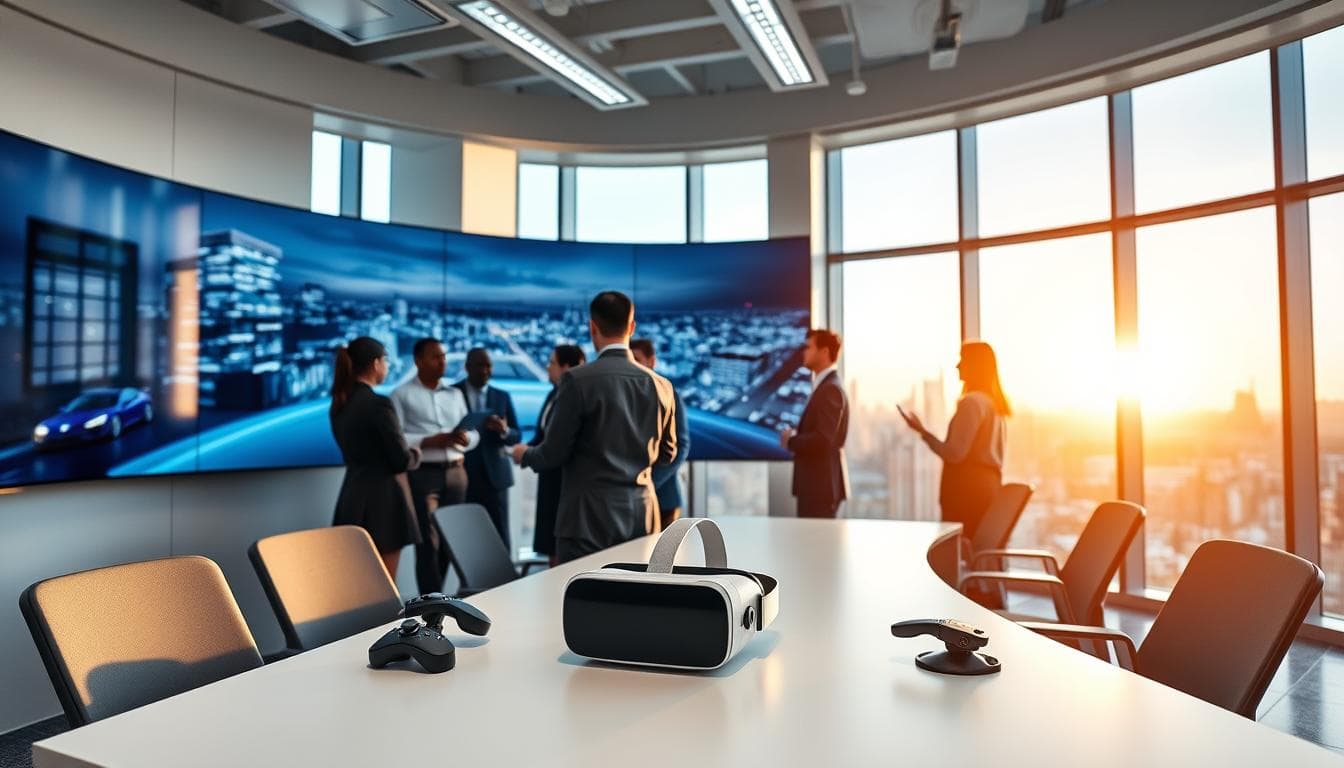
As businesses continue to evolve, the integration of virtual reality (VR) is becoming increasingly important. VR technology is transforming the corporate world by enhancing training, improving customer experiences, and streamlining operations.

The implementation of VR in business applications is a complex process, but with the right guidance, it can be a game-changer. This comprehensive guide will walk you through the steps necessary to successfully integrate VR into your business, covering everything from initial setup to practical applications.
As businesses continue to evolve, the adoption of virtual reality (VR) is becoming increasingly crucial for staying competitive. The use of VR technology is transforming the corporate landscape, offering innovative solutions to complex problems. Companies that embrace VR are seeing significant improvements in efficiency, customer engagement, and overall business performance.
The current state of VR adoption in corporate settings is rapidly advancing. Many businesses are now leveraging VR for various applications, from employee training to customer experience enhancement. According to recent studies, the global corporate VR market is expected to grow significantly in the coming years, driven by the increasing demand for immersive technologies.
VR technology offers a wide range of transformative business applications, including enhanced training programs, virtual product demonstrations, and immersive customer experiences.
"VR has the potential to revolutionize the way businesses operate, providing a significant return on investment (ROI) through improved efficiency and reduced costs."
By adopting VR, companies can expect to see substantial ROI potential, making it a valuable investment for forward-thinking businesses.
To ensure a smooth transition to VR, organizations must first evaluate their current state. This involves a comprehensive assessment of various factors that influence the successful implementation of VR technology.
Before implementing VR, it's essential to align the technology with your organization's strategic goals. This involves identifying key objectives and understanding how VR can support these aims. For instance, VR can enhance training programs, improve customer experiences, or streamline product design processes.
A thorough evaluation of your existing technical infrastructure is crucial. This includes assessing the compatibility of current hardware and software with VR requirements. Consider factors such as processing power, graphics capabilities, and network bandwidth to ensure they meet the demands of VR applications.
Assessing staff capabilities and the need for change management is vital for a successful VR implementation. This involves evaluating the skills and training needs of employees who will be using VR technology. Effective change management strategies can help mitigate resistance and ensure a smooth adoption process.
| Assessment Area | Key Considerations | Action Items |
| Strategic Goals | Alignment with business objectives, potential ROI | Define clear objectives, identify VR use cases |
| Technical Infrastructure | Hardware and software compatibility, network capabilities | Conduct compatibility tests, upgrade infrastructure as needed |
| Staff Capabilities | Training needs, user adoption challenges | Develop training programs, implement change management strategies |
To successfully integrate VR into your business operations, you need a clear and actionable implementation plan. This involves several key steps to ensure a smooth transition and maximize the benefits of VR technology.
A phased rollout is essential for managing the complexity of VR implementation. Start by identifying a pilot project or a specific department to test the VR solution. This allows you to refine your approach, address any technical issues, and build confidence among stakeholders before scaling up.
Establishing realistic timelines and milestones is crucial for keeping your VR project on track. Break down the implementation process into manageable tasks, and set clear deadlines for each phase. This will help you monitor progress, identify potential bottlenecks, and make necessary adjustments.
Gaining stakeholder buy-in is vital for the success of your VR initiative. Develop a compelling business case that highlights the benefits of VR, such as improved training outcomes or enhanced customer experiences. Engage with stakeholders early and often, providing regular updates and involving them in the decision-making process to ensure their support and commitment.
| Stakeholder Group | Key Concerns | Strategies for Buy-in |
| Executives | ROI, Business Impact | Highlight cost savings, productivity gains |
| End-users | Usability, Training | Provide comprehensive training, support |
| IT Department | Integration, Security | Ensure compatibility, robust security measures |
Budgeting for VR involves more than just hardware costs; it's about creating a comprehensive financial plan that addresses various aspects of VR implementation. A well-structured budget is crucial for the successful integration of VR technology into your business operations.
The cost of VR hardware can vary significantly based on the type and quality of the equipment. High-end VR headsets and compatible computers or consoles represent a substantial initial investment. Businesses should also consider the cost of peripheral devices such as sensors and controllers.

Beyond hardware, the cost of VR software and content development is a significant factor. This includes the development of custom VR experiences or the purchase of existing VR applications. Companies may need to invest in VR development tools and potentially hire or train staff to create and manage VR content.
Ongoing expenses for VR initiatives include maintenance, support, and potential upgrades. Regular software updates and hardware maintenance are necessary to ensure the VR system remains functional and secure. Businesses should also budget for technical support to address any issues that arise.
By understanding these cost factors, businesses can create a more accurate and comprehensive budget for their VR initiatives, ensuring a successful implementation.
Choosing the appropriate VR hardware is a critical decision for businesses looking to implement virtual reality technology effectively. The right hardware can significantly impact the success of VR initiatives, influencing factors such as user experience, scalability, and overall ROI.
The debate between standalone and PC-connected headsets is central to VR hardware selection. Standalone headsets, like the Meta Quest series, offer convenience and ease of use without the need for a PC. In contrast, PC-connected headsets, such as the Valve Index, provide more advanced graphics and processing power.
The Meta Quest Pro and HTC Vive Focus 3 are both high-end standalone headsets. The Meta Quest Pro offers advanced graphics and a more comfortable design, while the HTC Vive Focus 3 provides robust business features and integration capabilities. Key considerations include processing power, resolution, and business-specific features.
For PC-connected headsets, the Valve Index and HP Reverb G2 are notable options. The Valve Index is known for its high refresh rate and advanced controllers, while the HP Reverb G2 offers exceptional resolution and comfort. Businesses should evaluate factors such as graphics fidelity, user comfort, and compatibility with existing hardware.
Beyond the headset, several peripheral devices and accessories are crucial for a comprehensive VR setup. These include controllers, sensors, and potentially, specialized hardware like haptic feedback devices. Businesses should consider the total cost of ownership and the ecosystem of available accessories.
When selecting VR hardware, businesses must decide between enterprise-grade and consumer hardware. Enterprise-grade hardware is designed with business needs in mind, offering features like enhanced security, manageability, and support. Consumer hardware, while often more affordable, may lack the robustness required for business applications.
"The key to a successful VR implementation lies in understanding the specific needs of your business and selecting hardware that aligns with those needs."
— VR Industry Expert
By carefully evaluating the available VR hardware options and considering factors such as scalability, compatibility, and business-specific features, businesses can make informed decisions that support their VR initiatives.
To fully harness the potential of virtual reality, businesses must carefully implement VR software platforms. This involves selecting the right development environments and tools that align with the organization's strategic goals and technical capabilities.
The choice of VR development environment is crucial for creating immersive and interactive experiences. Two prominent game engines used in VR development are Unity and Unreal Engine.
Unity is known for its versatility and extensive asset store, making it a popular choice for various business applications. Unreal Engine, on the other hand, is renowned for its high-fidelity graphics and is often used in industries requiring photorealistic simulations. The choice between Unity and Unreal Engine depends on the specific requirements of the business and the type of VR experience being developed.
For businesses without extensive coding expertise, low-code VR development options provide an accessible entry point into VR development. Tools like Truvr and Unimersiv offer drag-and-drop interfaces and pre-built templates, enabling the creation of VR content without deep programming knowledge.
Various business-specific VR applications are available, catering to different industries and use cases. For instance, VR training simulations can be used for employee onboarding, while VR product demonstrations can enhance customer engagement. The key is to identify the specific business needs and select or develop VR applications that address those needs.
| Industry | VR Application | Benefits |
| Healthcare | VR Therapy | Enhanced patient care, reduced recovery time |
| Manufacturing | VR Training | Improved skill acquisition, reduced training costs |
| Retail | VR Product Demonstrations | Increased customer engagement, improved sales |
Effective content management is critical for enterprise VR implementations. A robust Content Management System (CMS) for VR should allow for easy content creation, distribution, and updating. It should also support analytics to track user engagement and performance.
By carefully selecting and implementing the right VR software platforms, businesses can unlock the full potential of virtual reality, driving innovation and improving operational efficiency.
Creating an optimal physical space for VR implementation is crucial for businesses looking to leverage virtual reality technology. A well-designed VR space not only enhances the user experience but also ensures safety and efficiency.
When designing a VR space, it's essential to consider the physical area required for safe and effective operation. The space should be free from obstacles and tripping hazards. Safety considerations include:
To create an effective VR environment, businesses may need to make infrastructure modifications. This can include:
Proper equipment setup is also crucial. This involves correctly configuring VR headsets, sensors, and other peripheral devices to ensure a seamless user experience.
By carefully designing and optimizing the physical VR space, businesses can maximize the benefits of their VR implementation while ensuring a safe and effective operating environment.
As businesses continue to adopt VR technology, integrating it with existing systems becomes crucial for maximizing its potential. A well-integrated VR system can enhance business operations, improve customer experiences, and provide valuable insights through data analysis.

Integrating VR data with existing business intelligence systems is essential for gaining a comprehensive understanding of business performance. This involves developing data integration strategies that can handle the unique data formats and volumes generated by VR applications. Challenges include ensuring data consistency, managing large data sets, and maintaining data security.
VR implementations introduce new security considerations that businesses must address. These include protecting user data, securing VR hardware and software, and preventing potential cyber threats. Implementing robust security measures is crucial to maintaining the integrity of VR systems and protecting sensitive business information.
A unified digital ecosystem is essential for maximizing the benefits of VR technology. This involves integrating VR with other digital tools and platforms to create a seamless and efficient business environment. By doing so, businesses can enhance operational efficiency, improve decision-making, and drive innovation.
By focusing on these key areas, businesses can successfully integrate VR with their existing systems, unlocking the full potential of this transformative technology.
To fully leverage the benefits of VR, organizations must invest in developing their staff's VR expertise. Effective VR training is crucial for successful implementation, ensuring that employees can utilize VR technology efficiently and safely.
Creating comprehensive onboarding programs is essential for introducing new employees to VR technology. These programs should cover the basics of VR operation, safety guidelines, and best practices for content creation and usage.
Identifying and training internal VR champions can significantly enhance the adoption and utilization of VR within an organization. These champions can provide peer support, share knowledge, and help troubleshoot issues, fostering a more VR-literate workforce.
Implementing strategies to overcome user resistance and improve user adoption is vital. This can involve providing ongoing training, soliciting user feedback, and continuously improving the VR experience to meet the evolving needs of the workforce.
By focusing on these areas, organizations can ensure a smooth transition to VR technology, maximizing its potential benefits and driving business success.
As businesses continue to adopt virtual reality (VR) technology, future-proofing their VR implementation is crucial for long-term success. By understanding the business value of VR, assessing organizational readiness, and developing a comprehensive implementation strategy, companies can unlock the full potential of this transformative technology.
A well-planned VR implementation can drive innovation, improve efficiency, and enhance customer experiences. To future-proof their VR initiatives, businesses must stay up-to-date with the latest advancements in VR hardware and software, invest in ongoing training and support, and continually assess their VR strategy to ensure alignment with evolving business goals.
By doing so, organizations can maximize their return on investment in VR technology and maintain a competitive edge in their respective markets. As VR continues to evolve, businesses that have successfully implemented VR solutions will be well-positioned to capitalize on new opportunities and drive future growth.
Content Writer
Want to discuss this article or have questions?
Get in Touch