Sell Smarter: Virtual Reality Real Estate Tours Revolutionize Viewings
Anonymous
Sell Smarter: Virtual Reality Real Estate Tours Revolutionize Viewings
The real estate industry is on the cusp of a revolution, and it's all about making property viewings more efficient and engaging. Imagine being able to explore a property remotely, without the need for physical visits. This is now possible with the advent of virtual reality (VR) technology in real estate.

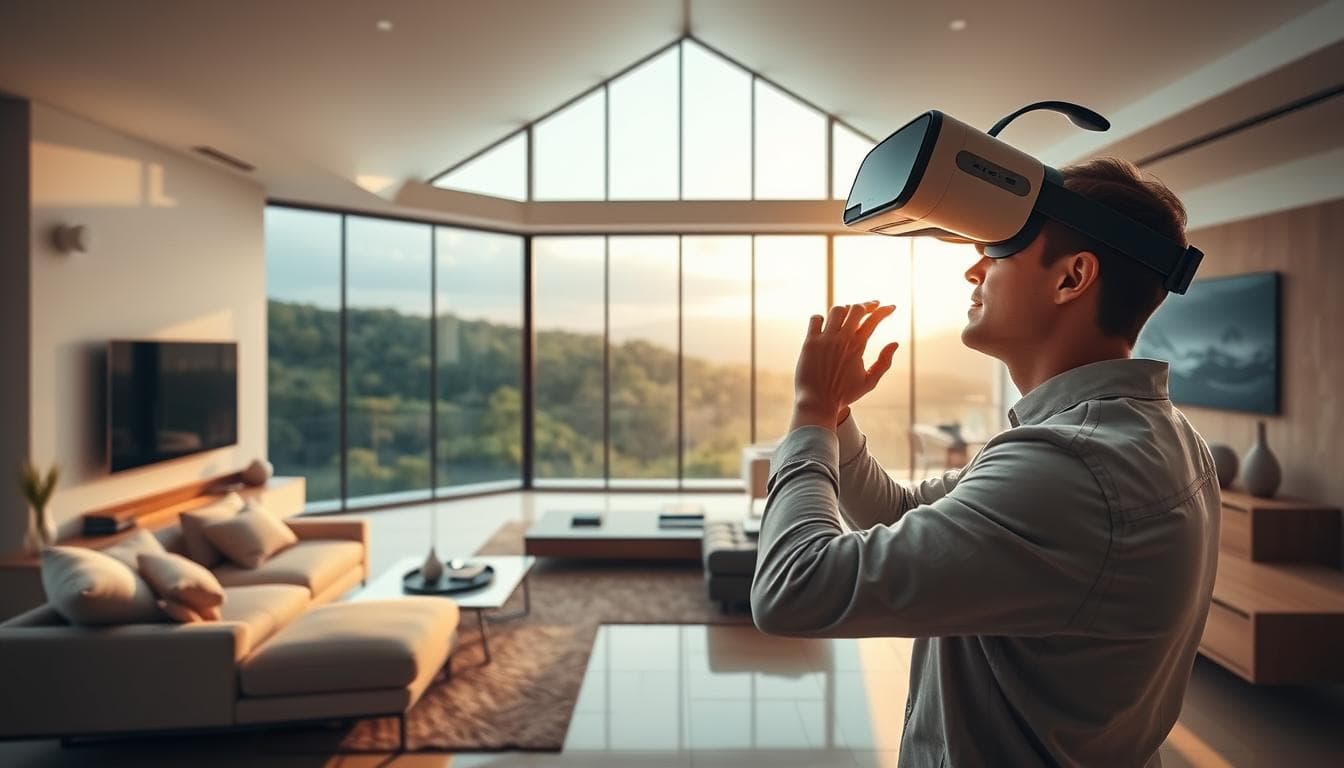
Virtual reality real estate tours are changing the way we buy, sell, and rent properties. By providing immersive and interactive experiences, VR tours enable potential buyers to explore properties in detail, from anywhere in the world. This not only saves time but also enhances the overall viewing experience.
The benefits of VR in real estate are multifaceted. It increases the reach of property listings, reduces the need for physical viewings, and provides a more engaging experience for potential buyers.
Key Takeaways
- Virtual reality technology is revolutionizing the real estate industry.
- VR property tours offer immersive and interactive experiences.
- The technology increases the reach of property listings.
- It reduces the need for physical property viewings.
- VR tours enhance the overall property viewing experience.
The Evolution of Real Estate Viewings
The real estate industry has witnessed a significant transformation in how properties are viewed, from traditional open houses to cutting-edge virtual reality experiences. This evolution has been driven by technological advancements and changing buyer behaviors.
Traditional Property Viewing Methods
Traditionally, property viewings involved physical visits to properties, often requiring real estate agents to accompany potential buyers. This method had its limitations, including:
- Geographical constraints for potential buyers
- Time-consuming for both buyers and agents
- Limited accessibility for international buyers
The Digital Transformation in Real Estate
The digital transformation has revolutionized real estate viewings, offering more efficient and accessible alternatives. Key developments include:
- Online property listings with photos and videos
- 3D virtual tours
- Virtual Reality (VR) property tours
These innovations have not only enhanced the buyer's experience but also streamlined the process for real estate agents, making it more cost-effective and far-reaching.
Understanding Virtual Reality in Real Estate
Virtual reality technology is redefining how we experience properties. As the real estate industry continues to evolve, understanding the role of VR is becoming increasingly important.
What is Virtual Reality Technology?
Virtual reality (VR) technology creates a simulated environment that allows users to explore and interact with a virtual space. In real estate, this means potential buyers can tour properties remotely, experiencing a highly immersive and interactive representation of the property.
How VR Differs from 3D Tours and Video Walkthroughs
The key differences between VR, 3D tours, and video walkthroughs lie in their levels of immersion and user experience.
Immersion Levels Comparison
- VR: Offers a fully immersive experience, shutting out the physical world and transporting users into the virtual environment.
- 3D Tours: Provides an interactive experience but is typically viewed on a screen, lacking the full immersion of VR.
- Video Walkthroughs: Passive viewing experience, where viewers watch a pre-recorded video tour without interaction.
User Experience Differences
The user experience varies significantly across these technologies. VR allows users to feel as if they are inside the property, exploring at their own pace. In contrast, 3D tours and video walkthroughs, while informative, don't offer the same level of engagement.
As stated by a real estate expert, "Virtual reality is not just a tool; it's a game-changer in how we market and experience properties." The adoption of VR technology is set to revolutionize the real estate industry, offering unparalleled experiences for buyers and sellers alike.
The Technology Behind Virtual Reality Real Estate Tours
Behind every successful VR real estate tour is a combination of cutting-edge hardware and software. The technology driving these immersive experiences is multifaceted, involving both VR hardware and sophisticated software solutions.
VR Hardware Requirements
The hardware for VR real estate tours includes advanced VR headsets and powerful computer systems. High-quality VR headsets provide users with a seamless and immersive experience.
Headsets and Accessories
VR headsets like Oculus Rift or HTC Vive are crucial for an immersive experience. Advanced headsets offer higher resolution and better tracking capabilities, enhancing the overall VR experience. Accessories such as controllers and sensors further enrich the interaction.
A robust computer system is necessary to run VR software smoothly. This typically includes a powerful processor, high-end graphics card, and sufficient RAM. A well-configured system ensures that VR tours run without lag or glitches, providing a smooth experience for potential buyers.
Software Solutions for Creating VR Property Tours
Creating VR property tours requires specialized software. Popular VR software solutions offer features like 3D modeling, virtual staging, and interactive hotspots. These tools enable real estate professionals to create engaging and interactive property tours that captivate potential buyers.
As noted by industry expert, "The right VR software can transform a standard property viewing into an immersive experience, setting your listings apart in a competitive market."
Types of Virtual Reality Experiences in Real Estate
Virtual reality is transforming the real estate industry by offering diverse and immersive property viewing experiences. This technology has enabled potential buyers to explore properties in ways that were previously unimaginable, enhancing the overall property viewing experience.
360° Virtual Tours
360° virtual tours provide a comprehensive view of properties, allowing buyers to navigate through rooms and spaces remotely. This type of tour is particularly useful for initial property screenings, saving time for both buyers and agents.
Fully Interactive VR Environments
Fully interactive VR environments take property viewings to the next level by allowing users to interact with the property in a virtual setting. This can include opening doors, turning on lights, and even rearranging furniture.
Virtual Staging and Property Customization
Virtual staging and property customization enable buyers to visualize properties with different décor and layouts. This is achieved through advanced software that can superimpose furniture and décor onto empty spaces.
This feature allows potential buyers to see how different furniture pieces and décor styles can transform a space, helping them better understand the property's potential.
Renovation Previews
Renovation previews enable buyers to visualize potential renovations or changes to the property, making it easier to decide on purchases or renovation plans.
These diverse VR experiences cater to different buyer needs and preferences, enhancing the property viewing process and making it more efficient and engaging.
Benefits for Real Estate Agents
As VR technology becomes more accessible, real estate agents are discovering new avenues to improve their business operations and client engagement. The integration of VR into their services is not just a novelty; it's a strategic move that offers multiple benefits.
Increased Efficiency and Time Management
One of the primary advantages of VR for real estate agents is the increased efficiency it brings to their daily operations. By allowing clients to conduct virtual tours, agents can save time that would have been spent on physical viewings, thus enabling them to manage their schedules more effectively.
Expanding Client Reach Beyond Local Markets
VR technology empowers real estate agents to expand their client base beyond geographical limitations. Potential buyers from anywhere in the world can explore properties remotely, giving agents a competitive edge in attracting international clients.
Competitive Advantage in the Market
By adopting VR technology, real estate agents can differentiate themselves in a crowded market. This competitive advantage is crucial in attracting tech-savvy clients who are looking for innovative ways to engage with properties.
Marketing Differentiation Strategies
To maximize the benefits of VR, agents can incorporate it into their marketing differentiation strategies. This could involve offering exclusive VR tours for high-end properties or using VR to showcase properties in a unique and engaging way.
Advantages for Property Buyers
With Virtual Reality, property buyers can now explore homes remotely, reducing the need for physical visits and making the buying process more efficient. This technology is particularly beneficial for those looking to purchase properties in different geographical locations.
Convenience of Remote Property Exploration
One of the significant advantages of VR for property buyers is the convenience of exploring properties from anywhere in the world. This eliminates the need for lengthy and costly travel to visit potential homes.
Reducing Travel Time and Expenses
By allowing buyers to tour properties virtually, VR significantly reduces the time and money spent on traveling to and from properties. This makes the home buying process more accessible and less burdensome.
Making More Informed Decisions
VR enables buyers to get a more accurate feel for a property's layout, size, and condition. This helps in making more informed decisions about which properties to pursue further.
Emotional Connection Through Virtual Presence
The immersive nature of VR allows buyers to form an emotional connection with properties. By feeling virtually present in a home, buyers can better imagine themselves living there, which is a crucial factor in the decision-making process.
In summary, VR technology offers property buyers a more convenient, cost-effective, and informed way to explore and purchase homes. As this technology continues to evolve, it's likely to become an indispensable tool in the real estate industry.
Benefits for Property Sellers
With Virtual Reality, property sellers can now present their properties in a more engaging and interactive manner. This technology allows for a more immersive experience, giving potential buyers a realistic feel of the property without having to physically visit it.
Showcasing Properties in Their Best Light
Virtual Reality enables property sellers to showcase their properties in the best possible way. High-quality VR tours highlight the property's features, making it more attractive to potential buyers. This can be particularly beneficial for properties that are vacant or have been staged.
Attracting More Qualified Buyers
By providing an immersive and detailed view of the property, VR tours help attract more qualified buyers. These are individuals who have already had a thorough virtual viewing and are more likely to be serious about purchasing the property.
Potentially Faster Sales Process
The enhanced engagement and more informed buyer pool can lead to a potentially faster sales process. When buyers are more confident in their understanding of the property, they are more likely to make quicker decisions.
| Benefits | Description | Impact |
| Enhanced Presentation | High-quality VR tours showcasing property features | More attractive to potential buyers |
| Qualified Buyers | Detailed virtual viewings | More serious buyers |
| Faster Sales | Informed buyer decisions | Quicker sales process |
How COVID-19 Accelerated Virtual Reality Adoption in Real Estate
The COVID-19 pandemic brought unprecedented challenges to the real estate industry, accelerating the adoption of virtual reality technology. As governments worldwide implemented lockdowns and social distancing measures, traditional property viewing methods became increasingly difficult.
This necessity-driven innovation led to a significant surge in the use of VR for property tours. Real estate agents and sellers quickly adapted to the new reality by leveraging VR technology to continue showcasing properties.
Necessity-Driven Innovation
The pandemic highlighted the need for contactless and remote property viewing solutions. Virtual reality technology emerged as a vital tool, enabling potential buyers to explore properties from the safety of their homes. This shift was not just a temporary measure but a long-term transformation in how properties are marketed and viewed.
Changes in Buyer Expectations Post-Pandemic
As buyers became accustomed to virtual tours during the pandemic, their expectations evolved. They began to demand more immersive and interactive experiences, pushing the industry to innovate further. Virtual staging and property customization became increasingly popular, allowing buyers to visualize properties in different configurations.
New Safety Standards in Property Viewings
The pandemic also led to the establishment of new safety standards in property viewings. Virtual reality helped agents and sellers comply with these standards by reducing the need for physical visits. This not only ensured safety but also increased efficiency in the property viewing process.
In conclusion, the COVID-19 pandemic acted as a catalyst for the adoption of virtual reality in real estate. As the industry continues to evolve, the integration of VR technology is likely to remain a key component in property marketing and viewings.
Implementing Virtual Reality Tours in Your Real Estate Business
As the real estate industry continues to evolve, implementing virtual reality (VR) tours has become a crucial step for businesses looking to stay ahead. The integration of VR technology can significantly enhance the property viewing experience, making it more immersive and engaging for potential buyers.
Cost Considerations and ROI
When considering the implementation of VR tours, one of the primary concerns is the cost. However, it's essential to weigh these costs against the potential return on investment (ROI). VR tours can reduce the need for physical viewings, saving time and resources for both agents and clients. A study by the National Association of Realtors found that 77% of buyers have driven by a property they were interested in, indicating the potential for VR tours to streamline this process.
| Cost Factor | Initial Investment | Long-term Savings |
| VR Equipment | $1,000 - $3,000 | Reduced travel costs for clients |
| VR Software | $500 - $2,000 | Increased efficiency in property showings |
| Training | $500 - $1,000 | Enhanced client satisfaction |
Finding the Right VR Solution Provider
Selecting the right VR solution provider is critical to the successful implementation of VR tours. Look for providers that offer user-friendly software and comprehensive support. It's also essential to consider their experience in the real estate industry.
Training Staff on VR Technology
To maximize the benefits of VR tours, it's crucial to ensure that your staff is adequately trained. This includes understanding how to operate the VR equipment and how to effectively market VR tours to clients.
Integration with Existing Marketing Channels
To get the most out of VR tours, integrate them with your existing marketing strategies. This can include embedding VR tours on your website, sharing them on social media, and including them in email marketing campaigns.

By carefully considering the costs, selecting the right VR solution provider, training your staff, and integrating VR tours with your marketing channels, you can effectively implement VR technology in your real estate business and reap its many benefits.
Case Studies: Success Stories with Virtual Reality Tours
Case studies reveal the transformative impact of virtual reality on residential and commercial property marketing. By leveraging VR technology, real estate professionals are achieving unprecedented success in captivating potential buyers and tenants.
Residential Real Estate Success Stories
In the residential sector, VR tours have significantly enhanced the buyer's experience. For instance, a leading real estate agency reported a 30% increase in qualified leads after implementing VR tours for their luxury properties.
Commercial Property Applications
Commercial properties have also benefited from VR technology. A notable example is a commercial real estate firm that used VR to showcase office spaces to potential tenants. This resulted in a 25% reduction in time-to-rent.
International Property Marketing
VR has been particularly effective in international property marketing, allowing global buyers to explore properties remotely. An international real estate developer saw a 40% increase in international inquiries after incorporating VR tours into their marketing strategy.
| Sector | Success Metric | Improvement |
| Residential | Qualified Leads | 30% Increase |
| Commercial | Time-to-Rent | 25% Reduction |
| International | International Inquiries | 40% Increase |
Overcoming Challenges in Virtual Reality Implementation
Implementing Virtual Reality (VR) in real estate comes with its set of challenges that need to be addressed for successful integration. As VR technology becomes more prevalent, understanding and mitigating these challenges is crucial for real estate professionals.
Addressing Technology Barriers
One of the primary challenges is the technology barrier. This includes the cost of VR equipment, the need for high-speed internet, and compatibility issues with various devices. Investing in user-friendly VR solutions can help alleviate some of these issues.
Managing Client Expectations
Managing client expectations is another significant challenge. Clients may have varying levels of familiarity with VR technology, and some may be hesitant to adopt it. Clear communication and demonstration of VR capabilities can help manage these expectations.
Ensuring Accurate Property Representation
Ensuring that properties are accurately represented in VR is crucial. This involves high-quality visuals and precise measurements. Any inaccuracies can lead to mistrust and dissatisfaction among potential buyers.
Legal and Ethical Considerations
There are also legal and ethical considerations, such as privacy concerns and the potential for misrepresentation. As noted by industry experts, "VR technology must be used responsibly to maintain trust and comply with regulations."
"The use of VR in real estate must be transparent and honest, providing buyers with an accurate representation of properties."
By addressing these challenges, real estate professionals can effectively integrate VR into their business, enhancing the property viewing experience for clients.
The Future of Virtual Reality in Real Estate
As we look ahead, the integration of virtual reality (VR) in real estate is poised to revolutionize the industry. The future of property viewings and marketing is becoming increasingly intertwined with VR technology, offering immersive experiences that were previously unimaginable.

Emerging Trends and Technologies
The real estate sector is witnessing significant advancements in VR technology. Emerging trends include more sophisticated VR software that allows for highly realistic property representations. These advancements are making it possible for potential buyers to explore properties remotely with unprecedented detail.
Predictions for VR Integration in Property Marketing
As VR technology becomes more mainstream, its integration into property marketing strategies is expected to grow. Predictions suggest that VR will become a standard tool for real estate agents, allowing them to showcase properties in a more engaging and interactive manner. This shift is likely to enhance buyer engagement and potentially lead to faster sales.
The Impact of AI and VR Convergence
The convergence of Artificial Intelligence (AI) and VR is set to further transform the real estate industry. AI algorithms can enhance VR experiences by providing personalized property recommendations based on user preferences. This synergy between AI and VR is expected to revolutionize property searching and viewing processes.
The Metaverse and Real Estate
A significant aspect of the future of VR in real estate is the metaverse, a collective virtual shared space. The metaverse is expected to open new avenues for real estate, allowing for the creation and trading of virtual properties. This emerging trend has the potential to redefine the concept of property ownership and investment.
The future of VR in real estate is bright, with numerous opportunities for growth and innovation. As technology continues to evolve, we can expect to see even more sophisticated applications of VR in the industry.
Conclusion: Embracing the Virtual Reality Revolution in Real Estate
The real estate industry is on the cusp of a significant transformation, driven by the adoption of virtual reality technology. As we've explored, VR real estate tours offer numerous benefits for agents, buyers, and sellers, from increased efficiency and reduced travel costs to enhanced property showcasing and more informed decision-making.
Embracing this virtual reality revolution can give real estate professionals a competitive edge, allowing them to stay ahead in a rapidly evolving market. As VR technology continues to advance and become more accessible, it's crucial for industry stakeholders to invest in this innovative solution.
By doing so, they can improve their business operations, expand their reach, and provide a more immersive and engaging experience for their clients. The future of real estate is virtual, and it's time to take the first step into this exciting new frontier.