Next-Gen VR: Passthrough & Mixed Reality Headsets of 2026
The next generation of virtual reality (VR) is on the horizon, bringing significant advancements in passthrough technology and mixed reality. As we approach 2026, major players like Meta and Apple are poised to revolutionize the VR landscape.

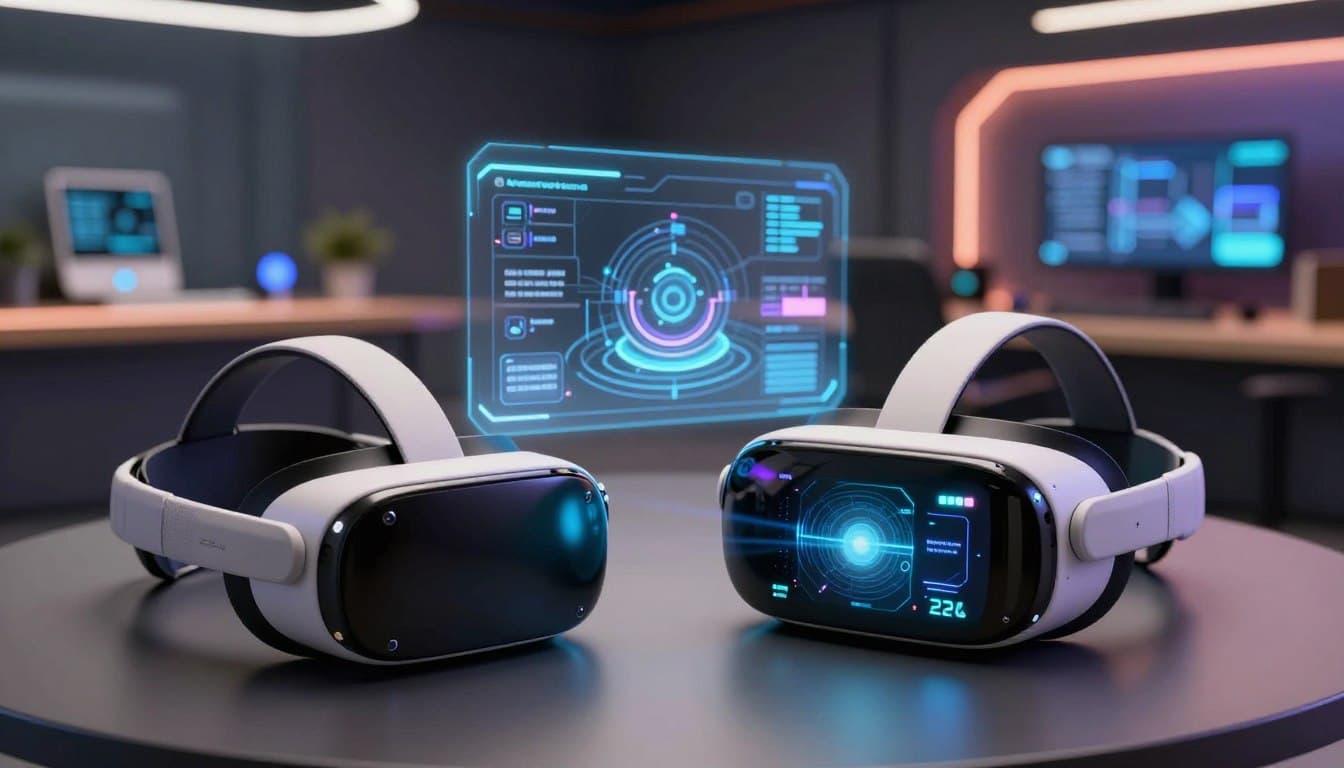
With the evolution of next-gen VR, we can expect more sophisticated mixed reality headsets that seamlessly blend the digital and physical worlds. This article will explore the current state of passthrough and mixed reality technologies and what the future holds for these innovative headsets.
Key Takeaways
- Advancements in passthrough technology are enhancing VR experiences.
- Major tech companies are investing heavily in next-gen VR.
- Mixed reality headsets are becoming increasingly sophisticated.
- The future of VR is centered around more immersive and interactive experiences.
- 2026 is expected to be a pivotal year for VR technology advancements.
The Evolution of Virtual Reality Technology
Advancements in virtual reality have revolutionized the way we experience digital content. The journey from bulky, limited-capability headsets to sleek, powerful devices has been remarkable.
From Early VR to Today's Headsets
Early VR headsets were cumbersome and offered limited interaction. Today's headsets, however, provide a more immersive experience with advanced graphics and tracking capabilities. Modern VR headsets have become more user-friendly and accessible, paving the way for widespread adoption.
The Shift Toward Passthrough and Mixed Reality
The latest development in VR technology is the shift towards passthrough and mixed reality. Passthrough technology allows users to see their surroundings, enhancing safety and interaction. Mixed reality blends the digital and physical worlds, creating a seamless experience. This shift is set to further revolutionize the VR landscape.
| Feature | Early VR | Modern VR |
| Display Resolution | Low | High |
| Tracking Capability | Limited | Advanced |
| User Experience | Cumbersome | Immersive |
Understanding Passthrough and Mixed Reality
Passthrough and mixed reality technologies are redefining the boundaries of virtual reality experiences. As we dive into the world of next-gen VR headsets, it's essential to understand these innovations that are changing how we interact with both digital and physical environments.
What is Passthrough Technology?
Passthrough technology is a feature in modern VR headsets that utilizes cameras to display the real world to the user, allowing them to see their surroundings while wearing the headset. This technology enables a safer and more intuitive VR experience by providing a clear view of the physical environment.
How Mixed Reality Differs from AR and VR
Mixed reality (MR) takes passthrough technology a step further by integrating digital objects into the real world, creating a hybrid environment. Unlike augmented reality (AR), which overlays digital information onto the real world, MR allows for more complex interactions between the digital and physical. This distinction makes MR a more immersive and interactive experience.
| Technology | Description | Interaction Level |
| Virtual Reality (VR) | Fully immersive digital environment | High |
| Augmented Reality (AR) | Overlays digital info onto the real world | Moderate |
| Mixed Reality (MR) | Integrates digital objects into the real world | Very High |
Benefits of Combined Reality Experiences
The benefits of combined reality experiences include enhanced interaction, improved safety, and new possibilities for entertainment and education. By seamlessly blending the digital and physical worlds, these technologies open up new avenues for innovation and application across various industries.
Key Technological Advancements Driving Next-Gen Virtual Reality
The next generation of virtual reality headsets is being driven by several key technological advancements. These developments are crucial for creating more immersive, interactive, and seamless VR experiences.
Display Technology Breakthroughs
Display technology has seen significant improvements, enhancing the overall VR experience. Two notable advancements are micro-OLED and holographic displays.
Micro-OLED and Holographic Displays
Micro-OLED displays offer higher contrast ratios and faster response times, reducing motion blur. Holographic displays, on the other hand, provide more realistic and complex visual representations.
Resolution and Field of View Improvements
Advances in display technology have also led to higher resolutions and wider fields of view, making VR experiences more engaging and immersive.
Processing Power and Latency Improvements
Increased processing power and reduced latency are vital for smoother VR experiences. Improved processing capabilities help in rendering complex graphics, while lower latency ensures a more responsive interaction.
Sensor and Camera Innovations
Innovations in sensor and camera technology are enhancing passthrough and mixed reality features. These advancements enable more accurate tracking and integration of the physical environment into VR experiences.
| Technological Advancement | Impact on VR | Key Benefits |
| Micro-OLED Displays | Improved visual quality | Higher contrast, faster response |
| Holographic Displays | More realistic visuals | Complex representations, immersive experience |
| Processing Power | Smoother performance | Complex graphics rendering |
| Sensor and Camera Innovations | Enhanced tracking and integration | Accurate environment integration |
Meta's Vision for 2026: Beyond Quest Pro
As we look towards 2026, Meta is poised to revolutionize the VR landscape with its next-generation headsets. The company behind the popular Oculus VR headsets has been consistently pushing the boundaries of virtual reality technology, and its upcoming releases are expected to be no exception. With a focus on improving user experience and expanding the capabilities of VR, Meta is set to make significant strides in the industry.
Predicted Features of Meta's Next-Gen Headsets
Meta's next-generation VR headsets are anticipated to feature improved passthrough technology, allowing for a more seamless transition between virtual and real-world environments. Higher resolution displays are also expected, providing users with a more immersive and visually stunning experience. Additionally, these headsets are likely to include enhanced integration with Meta's metaverse platforms, enabling users to interact with virtual environments in more sophisticated ways.

Integration with Metaverse Platforms
The integration of Meta's next-gen headsets with its metaverse platforms is expected to be a key feature. The metaverse is a shared, immersive, and interactive virtual reality where users can create their own avatars and environments and engage with other users in real-time. By enhancing this integration, Meta aims to provide a more cohesive and engaging experience for users, blurring the lines between the physical and virtual worlds. As Mark Zuckerberg once said,
"The metaverse is a lot bigger than any one company or any one platform."
This vision is set to become a reality with Meta's advancements in VR technology.
Apple's Mixed Reality Ecosystem in 2026
As we look towards 2026, Apple's mixed reality ecosystem is poised to revolutionize the tech landscape. The company's continued innovation in this space is expected to bring about significant advancements, particularly with its Apple Vision Pro headset.
Evolution of Apple Vision Pro
The Apple Vision Pro is anticipated to undergo substantial improvements by 2026. Some of the key enhancements include:
- Enhanced Display Technology: Offering higher resolution and better color accuracy.
- Advanced Passthrough Capabilities: Allowing for a more seamless integration of digital and physical worlds.
- Improved Ergonomics: Making the device more comfortable for extended use.
These upgrades are expected to make the Apple Vision Pro a more compelling product for both consumers and enterprise users.
Apple's Unique Approach to Passthrough Technology
Apple's approach to passthrough technology is centered around creating a more intuitive and interactive user experience. By leveraging advanced camera systems and sophisticated algorithms, the Apple Vision Pro is able to provide a highly accurate representation of the user's surroundings.
This enables users to interact with both digital objects and their physical environment in a more natural way. The potential applications of this technology are vast, ranging from enhanced gaming experiences to innovative productivity tools.
Emerging Players in the Passthrough VR Market
As the VR landscape continues to evolve, new players are entering the passthrough VR market, bringing innovative solutions and technologies. This influx of new entrants is expected to drive further advancements in VR and MR technologies. The market is becoming increasingly competitive, with companies vying to offer the most advanced and user-friendly experiences.
Valve's Next-Generation Index Headset
Valve is anticipated to release its next-generation Index headset, which promises to deliver improved performance and features compared to its predecessor. The new headset is expected to offer enhanced resolution, a wider field of view, and improved tracking capabilities. These advancements will likely set a new standard for PC-based VR systems.
ByteDance's Pico Series Advancements
ByteDance's Pico series has been making significant strides in the VR market, with a focus on delivering high-quality VR experiences. The latest advancements in the Pico series include improved display resolution, enhanced ergonomics, and more sophisticated tracking systems. These developments are expected to further establish Pico as a major player in the VR market.
Samsung's Re-entry into VR/MR
Samsung is expected to re-enter the VR/MR market with new devices that leverage its expertise in display technology and mobile hardware. The company's re-entry is anticipated to bring about new innovations, particularly in terms of integrating VR with mobile technology. This move could potentially disrupt the current VR landscape.
Innovative Startups Changing the Landscape
Innovative startups are also playing a crucial role in shaping the passthrough VR market. These companies are often at the forefront of new technologies and approaches, pushing the boundaries of what is possible in VR. Some startups are focusing on niche applications, while others are developing entirely new types of VR experiences.
| Company | Key Innovation | Market Impact |
| Valve | Next-gen Index Headset | Setting new standards for PC-based VR |
| ByteDance (Pico) | Advanced VR headsets | Increasing competition in standalone VR |
| Samsung | Integration of VR with mobile tech | Potential disruption in VR market |
| Innovative Startups | Niche applications and new VR experiences | Diversifying VR landscape |
The emergence of these new players in the passthrough VR market is expected to drive innovation and competition, ultimately benefiting consumers and advancing the technology as a whole.
Enterprise and Professional Applications in 2026
As we approach 2026, the landscape of enterprise and professional applications is set to undergo a significant transformation with the advent of next-generation VR technology. The enhanced capabilities of passthrough and mixed reality headsets are opening up new avenues for various industries to leverage immersive technology for improved productivity, training, and collaboration.
Training and Simulation Advancements
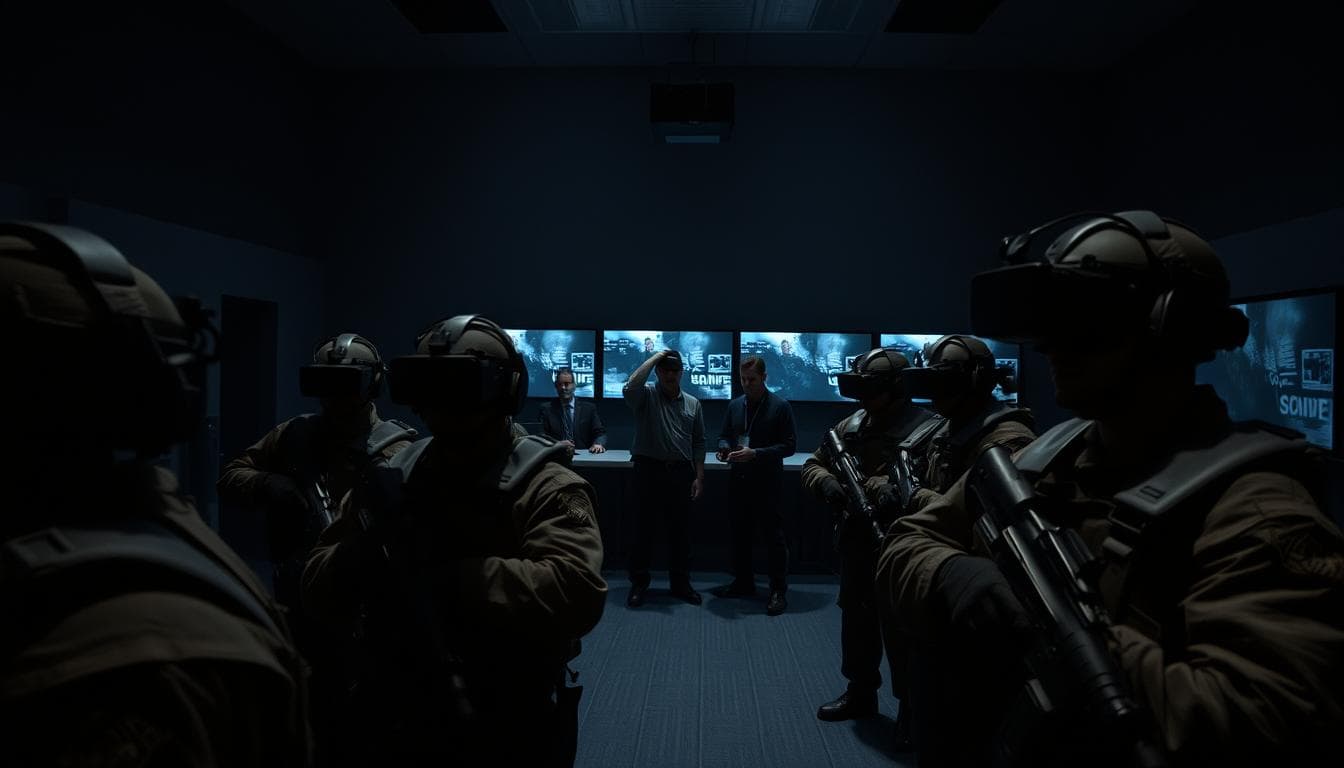
Training and simulation are expected to see significant advancements with the introduction of more sophisticated VR systems. Industries such as aviation, manufacturing, and healthcare will benefit from highly realistic simulations that can be tailored to specific training needs, reducing costs and improving outcomes. These advanced simulations will allow for more effective training in a controlled environment.
Remote Work and Collaboration
The future of remote work is set to become more immersive with the use of VR. Virtual meeting spaces will become increasingly sophisticated, allowing for more effective collaboration and a sense of presence that is currently lacking in traditional video conferencing. This will revolutionize how teams work together remotely.
Healthcare and Surgical Applications
In healthcare, VR and MR technologies will play a crucial role in surgical planning and training. Surgeons will be able to practice complex procedures in a highly realistic virtual environment, improving their skills and reducing the risk of complications during actual surgeries.
Architecture and Design Visualization
Architecture and design visualization will also see a significant boost with the use of VR and MR. Designers and architects will be able to create highly immersive and interactive models of their designs, allowing clients to experience and interact with buildings and spaces before they are constructed.
How Passthrough VR Will Transform Daily Life
The advent of passthrough VR is set to revolutionize our daily routines by seamlessly merging the digital and physical worlds. As this technology advances, we can expect significant changes in various aspects of our lives.
Seamless Digital-Physical Integration
Passthrough VR enables a more integrated experience by allowing users to interact with both digital and physical elements simultaneously. This integration is expected to enhance daily life in several ways.
Smart Home Control Through Mixed Reality
With passthrough VR, controlling smart home devices will become more intuitive. Users will be able to interact with virtual interfaces that overlay their physical environment, making it easier to manage their smart homes.
For instance, adjusting the lighting or temperature in a room could be as simple as using virtual controls that appear when you look at a specific area.
Ambient Computing Interfaces
Ambient computing interfaces will allow users to interact with digital information in a more natural way. This could involve using gestures or voice commands to access information that is displayed in the environment around them.
Social Interactions in Blended Realities
Passthrough VR will revolutionize social interactions by enabling new forms of communication and interaction in blended realities. People will be able to connect with each other in more immersive and engaging ways, regardless of their physical location.

Education and Learning Applications
The education sector will also benefit from passthrough VR, with more engaging and interactive learning experiences. Students will be able to explore complex concepts in a more hands-on and immersive way, enhancing their understanding and retention of the material.
| Application Area | Benefits of Passthrough VR |
| Smart Home Control | More intuitive control over devices |
| Social Interactions | New forms of communication and interaction |
| Education | More engaging and interactive learning experiences |
Challenges and Ethical Considerations
Despite the excitement around passthrough and mixed reality headsets, significant challenges need to be addressed. As VR technology advances, it's crucial to consider the technical, ethical, and social implications of these innovations.
Technical Hurdles to Overcome
One of the primary challenges facing next-gen VR is improving technical specifications. Reducing latency and enhancing resolution are critical to creating a seamless user experience. Additionally, advancements in passthrough technology are necessary to minimize the risk of motion sickness and improve overall comfort.
Privacy Concerns with Always-On Cameras
The use of always-on cameras in VR headsets raises significant privacy concerns. There's a risk of data collection and surveillance, which could potentially infringe on users' right to privacy. As VR becomes more prevalent, addressing these concerns through robust data protection policies will be essential.
Digital Divide and Accessibility Issues
Another challenge is the potential for a digital divide, where not everyone has access to these advanced technologies. Ensuring that VR is accessible to all segments of society is crucial. This includes addressing issues related to cost, hardware requirements, and user accessibility.
As VR continues to evolve, it's essential to address these challenges head-on. By doing so, we can ensure that the technology is developed in a way that is equitable, safe, and beneficial for all users.
"The future of VR is not just about technological advancement, but also about ensuring that these advancements are made with consideration for society as a whole."
Conclusion: The Future of Immersive Computing
As we look towards 2026 and beyond, the future of VR and immersive computing is becoming increasingly clear. With significant advancements in passthrough and mixed reality technology, the next generation of VR headsets is poised to revolutionize the way we interact with the world around us.
The evolution of VR technology, driven by key players like Meta and Apple, is expected to bring about more sophisticated and interactive experiences. These advancements will not only transform the gaming and entertainment industries but also have a profound impact on education, healthcare, and remote work.
The future of VR is closely tied to the development of immersive computing, where the boundaries between the physical and digital worlds are becoming increasingly blurred. As next-gen VR technology continues to mature, we can expect to see new and innovative applications across various sectors, shaping the future of how we live, work, and interact with each other.