Next-Gen VR: Galaxy XR's Impact on Factory Safety Training
Factory safety training is a critical component of manufacturing operations, ensuring that workers are equipped to handle equipment and procedures safely. However, traditional training methods can be limited in their effectiveness, often failing to fully prepare workers for the complexities of real-world environments.

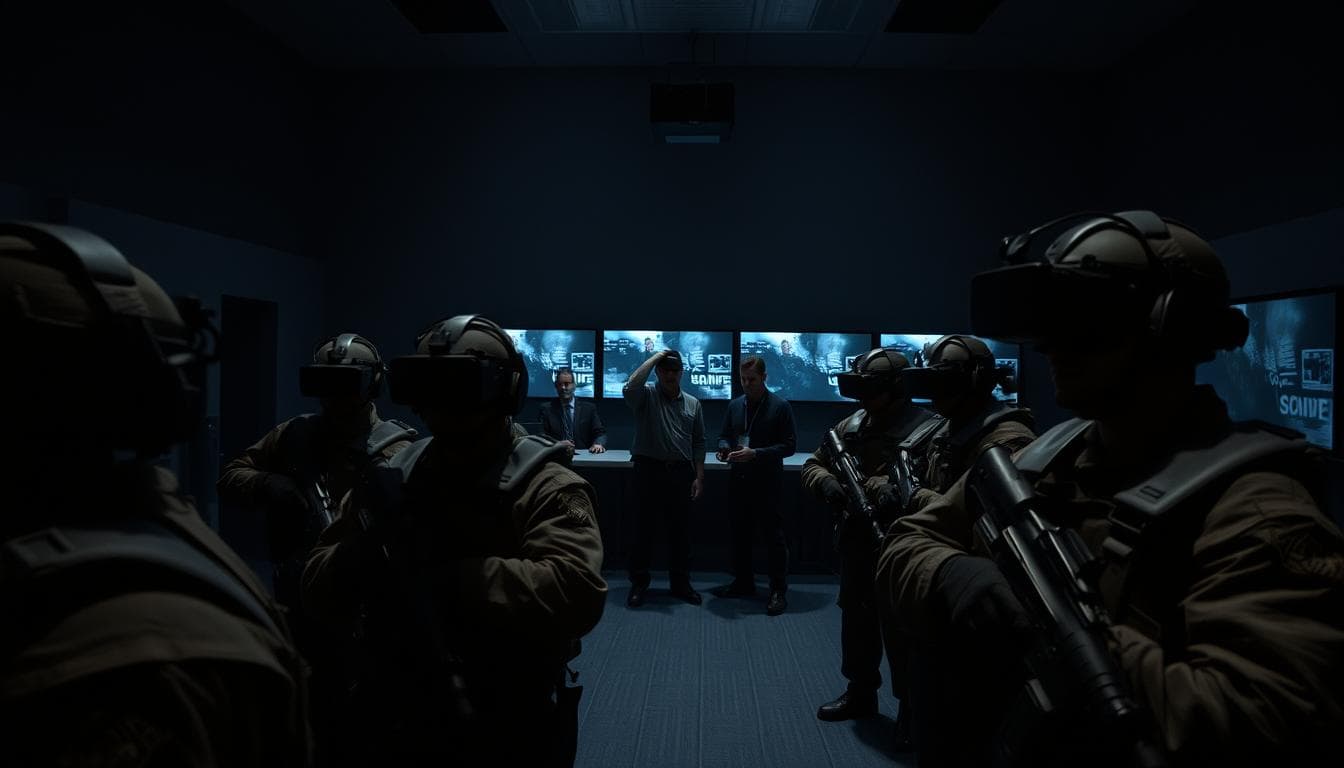
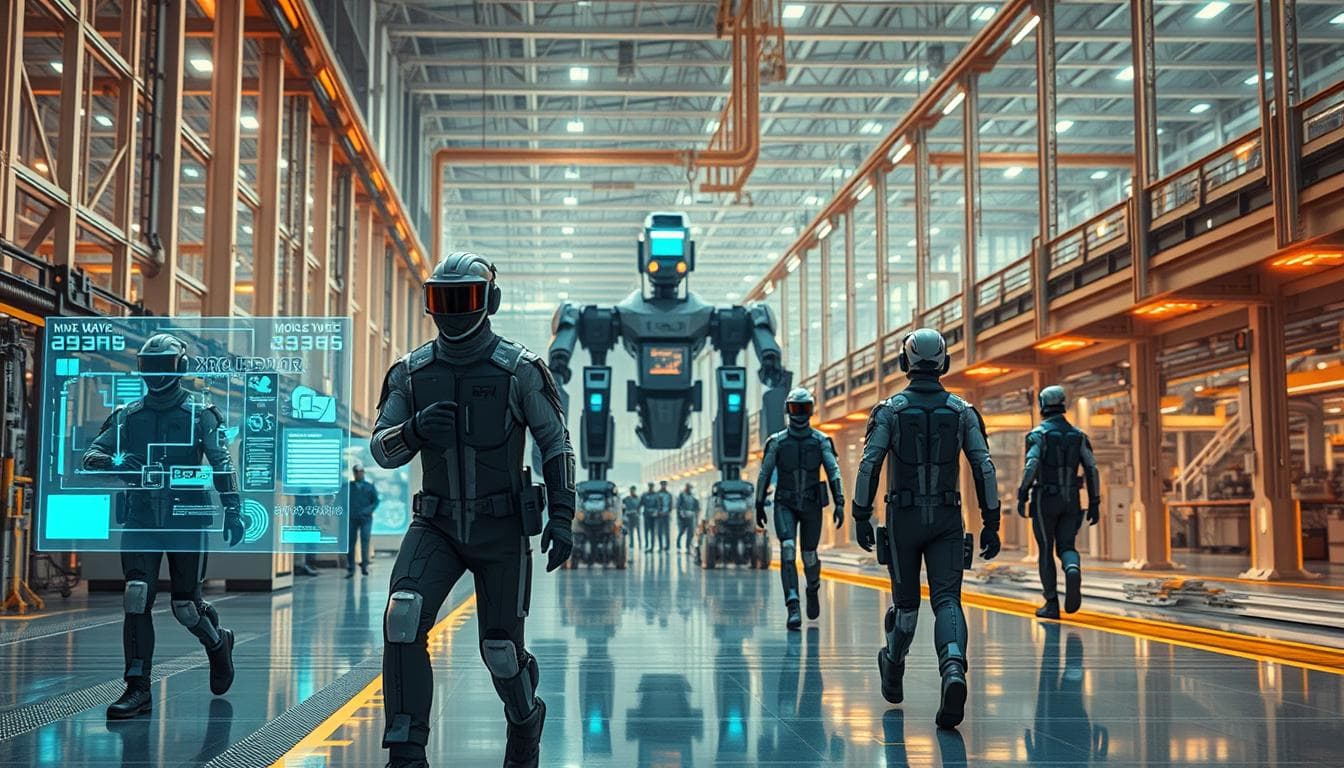
The advent of Galaxy XR's virtual reality technology is revolutionizing the way factories approach safety training. By providing immersive, interactive experiences, Galaxy XR is enhancing the ability of workers to understand and respond to potential hazards.
This innovative approach to factory safety training is poised to significantly reduce workplace accidents, improving overall safety and operational efficiency.
Key Takeaways
- Galaxy XR is transforming factory safety training with virtual reality technology.
- Immersive training experiences improve worker preparedness for real-world hazards.
- The use of Galaxy XR can lead to a reduction in workplace accidents.
- Enhanced safety training contributes to improved operational efficiency.
- Galaxy XR's technology is setting a new standard in manufacturing safety protocols.
The Evolution of Safety Training in Manufacturing
As industrial processes become increasingly complex, the need for effective safety training has never been more critical. The manufacturing sector, known for its rigorous operational demands, has seen a significant shift in how safety training is approached.
Traditional Safety Training Methods and Their Limitations
Traditional safety training often relies on classroom instruction, videos, or on-the-job training. While these methods have been effective to some extent, they have limitations. For instance, classroom training can be passive and may not fully engage trainees. On-the-job training, though practical, exposes new employees to real hazards. The need for a more immersive and safe training environment is evident.
The Need for Innovation in Factory Safety Education
The manufacturing industry is rapidly evolving, with new technologies and equipment being introduced regularly. This necessitates innovative training methods that can keep pace. Virtual reality (VR) and other immersive technologies are emerging as potential game-changers in safety training. They offer a controlled, risk-free environment for trainees to practice and learn.
The Cost of Inadequate Safety Training
Inadequate safety training can have severe consequences, including increased workplace accidents, higher insurance premiums, and potential legal liabilities. According to the Bureau of Labor Statistics, thousands of workers are injured on the job every year. A detailed breakdown of the costs associated with workplace accidents is as follows:
| Cost Category | Average Cost | Frequency |
| Medical Expenses | $10,000 | High |
| Lost Productivity | $20,000 | Very High |
| Legal and Compliance | $15,000 | Medium |
As noted by a safety expert,
"The cost of a workplace accident goes far beyond the immediate medical expenses; it impacts productivity, morale, and compliance costs."
This underscores the importance of effective safety training programs.
Understanding Virtual Reality Technology in Industrial Applications
Immersive learning through VR is transforming the landscape of industrial training, offering unprecedented levels of engagement and knowledge retention. This technological advancement is not limited to the gaming industry; it's now a vital tool in industrial applications.
How Virtual Reality Works in Training Environments
VR technology creates a simulated environment that mimics real-world conditions, allowing trainees to interact with virtual objects and scenarios. This is achieved through a combination of hardware and software, including head-mounted displays (HMDs), sensors, and specialized controllers.
The effectiveness of VR in training environments lies in its ability to provide a safe space for employees to practice and learn without the risks associated with real-world training. For instance, VR can simulate hazardous situations, allowing workers to experience and respond to emergencies without actual danger.
The Transition from Gaming to Industrial Training
Originally developed for gaming, VR technology has evolved to meet the demands of various industries, including manufacturing and construction. The transition was driven by advancements in VR hardware and software, making it more accessible and affordable for industrial applications.
"The use of VR in industries is a game-changer. It allows for the creation of highly realistic and immersive training scenarios that were previously impossible or too costly to replicate in real life."
Industry Expert
Key Components of VR Training Systems
Effective VR training systems consist of several key components:
- High-resolution HMDs for clear visuals
- Advanced tracking systems for precise movement detection
- Realistic controllers for interactive simulations
- Customizable software for tailored training programs
| Component | Description | Benefit |
| HMDs | High-resolution head-mounted displays | Immersive experience |
| Tracking Systems | Advanced sensors for movement tracking | Precise interaction |
| Controllers | Realistic controllers for simulation | Enhanced realism |
By understanding these components and how VR works, industries can better leverage this technology to enhance their training programs, leading to a safer and more efficient workforce.
Introducing Galaxy XR: A Revolutionary Training Platform
Galaxy XR is transforming the landscape of industrial safety training with its innovative VR technology. This cutting-edge platform is designed to provide a more immersive and effective training experience for factory workers.
Key Features of the Galaxy XR System
The Galaxy XR system boasts several key features that make it an ideal solution for industrial safety training. These include:
- Immersive VR Environment: Simulates real-world scenarios, allowing trainees to practice in a safe and controlled setting.
- Realistic Scenarios: Covers a wide range of potential hazards and emergency situations.
- Interactive Training Modules: Engages trainees and enhances knowledge retention.
Technical Specifications and Capabilities
Galaxy XR's technical specifications are designed to meet the demands of industrial training environments. The system includes:
- High-Resolution Graphics: Provides a clear and detailed visual experience.
- Advanced Tracking System: Ensures precise movement tracking for a more realistic experience.
- Customizable Content: Allows for tailored training programs to meet specific client needs.
What Sets Galaxy XR Apart from Competitors
Galaxy XR stands out in the VR training market due to its comprehensive approach to industrial safety training. Its unique blend of realistic scenarios, interactive modules, and customizable content makes it a superior choice for companies looking to enhance their safety protocols.
By leveraging the latest VR technology, Galaxy XR is revolutionizing the way industrial safety training is conducted, making it a valuable tool for companies committed to creating a safer work environment.
The Science Behind Immersive Learning
The science behind immersive learning reveals that virtual reality (VR) training offers significant cognitive benefits. By simulating real-world environments, VR training allows learners to engage with complex scenarios in a controlled and safe manner.
Cognitive Benefits of Virtual Reality Training
Virtual reality training enhances cognitive functions by providing an immersive experience that stimulates multiple senses. This multisensory engagement improves comprehension and accelerates learning. Key cognitive benefits include:
- Enhanced spatial awareness and understanding
- Improved problem-solving skills through interactive scenarios
- Better decision-making through realistic simulations
Retention Rates Compared to Traditional Methods
Studies have shown that VR training significantly improves retention rates compared to traditional training methods. The immersive nature of VR helps learners remember information more effectively.
Muscle Memory Development in VR Environments
VR environments are particularly effective in developing muscle memory. By repeating tasks in a virtual setting, trainees can develop the necessary motor skills without the risks associated with real-world training.
Implementing Galaxy XR in Factory Settings
To effectively implement Galaxy XR, factories must consider several key factors, including hardware requirements and integration with existing safety protocols. This ensures a seamless transition to the new virtual reality (VR) training system.
Hardware Requirements and Setup Process
The Galaxy XR system requires high-performance hardware to operate effectively. This includes advanced VR headsets, powerful computers, and specialized controllers. The setup process involves configuring the hardware, installing the necessary software, and conducting thorough system checks to ensure optimal performance.
Integration with Existing Safety Protocols
Integrating Galaxy XR with existing safety protocols is crucial for maximizing its effectiveness. This involves aligning the VR training scenarios with current safety procedures and regulations, such as those set by OSHA. By doing so, factories can ensure that their employees receive comprehensive and compliant safety training.
Training the Trainers: Creating VR Safety Experts
To get the most out of Galaxy XR, it's essential to train the trainers. This involves educating safety instructors on how to effectively use the VR system, create customized training scenarios, and integrate VR training into their existing safety programs.
Scalability Across Multiple Factory Locations
One of the key benefits of Galaxy XR is its scalability. Factories with multiple locations can easily deploy the system across different sites, ensuring consistency in safety training across the organization. The following table outlines the scalability features of Galaxy XR:
| Feature | Description | Benefit |
| Centralized Management | Allows for remote management of multiple Galaxy XR systems | Simplifies administration and reduces costs |
| Standardized Training | Ensures consistent safety training across all locations | Enhances overall safety culture within the organization |
| Easy Updates | Enables quick deployment of new training scenarios and updates | Keeps safety training current and relevant |
High-Risk Scenarios Made Safe Through Virtual Reality
Virtual reality is revolutionizing industrial safety training by allowing workers to practice high-risk scenarios in a controlled environment. This technology is particularly beneficial for training in industries where mistakes can have severe consequences.

Simulating Dangerous Equipment Operation
One of the key benefits of using virtual reality for safety training is the ability to simulate the operation of dangerous equipment. Trainees can learn to handle machinery that could cause serious injury if not used properly, all within a safe virtual environment.
For instance, workers can practice operating heavy machinery like forklifts or cranes without the risk of accidents. This hands-on experience helps build confidence and competence, reducing the likelihood of errors in real-world situations.
Emergency Response and Evacuation Training
Virtual reality also enables effective training for emergency response and evacuation procedures. Trainees can be immersed in scenarios that mimic real-life emergencies, such as fires or chemical spills, and practice the appropriate responses.
"The use of VR for emergency training has shown a significant improvement in response times and decision-making under pressure."
— Safety Expert, Manufacturing Industry
Chemical Handling and Hazardous Materials Procedures
Handling chemicals and hazardous materials requires strict adherence to safety protocols. Virtual reality training allows workers to practice these procedures in a safe and controlled environment, reducing the risk of accidents.
- Proper handling techniques for hazardous materials
- Emergency procedures for spills or leaks
- Use of personal protective equipment (PPE)
Maintenance Safety in Virtual Environments
Maintenance tasks often involve working with complex equipment and in confined spaces. Virtual reality can simulate these conditions, allowing maintenance personnel to practice safety procedures and emergency responses.
| Maintenance Task | Safety Procedure | VR Simulation Benefit |
| Equipment Inspection | Lockout/tagout procedures | Practice without risking equipment damage |
| Confined Space Entry | Proper ventilation and monitoring | Simulate hazardous conditions safely |
By leveraging virtual reality for high-risk scenario training, industries can significantly enhance their safety protocols and reduce the risk of workplace accidents.
Regulatory Compliance and Safety Standards
Galaxy XR revolutionizes factory safety training by meeting stringent regulatory standards. Ensuring compliance with safety regulations is paramount for factories to avoid penalties and maintain a safe working environment.
Meeting OSHA Requirements Through VR Training
Galaxy XR's VR training platform is designed to meet OSHA requirements by providing immersive, hands-on training experiences. This includes training on hazardous equipment operation, emergency response procedures, and proper use of personal protective equipment (PPE).
"The use of VR in safety training represents a significant advancement in our ability to prepare workers for hazardous environments," said an industry expert.
Documentation and Certification Capabilities
The Galaxy XR system offers comprehensive documentation and certification capabilities, ensuring that all training sessions are recorded and easily accessible for audits. This feature simplifies compliance with regulatory requirements.
Adapting to Changing Safety Regulations
As safety regulations evolve, Galaxy XR's flexible platform allows for quick updates to training content, ensuring that factories remain compliant with the latest standards.
By leveraging Galaxy XR, factories can proactively adapt to new regulations, reducing the risk of non-compliance and associated penalties.
Case Studies: Success Stories from the Factory Floor
Galaxy XR has revolutionized factory safety training across various industries. By providing immersive and realistic training experiences, Galaxy XR has significantly reduced workplace accidents and improved compliance with safety protocols.
Automotive Manufacturing Implementation
In a leading automotive manufacturing plant, Galaxy XR was implemented to train workers on assembly line safety procedures. The VR training allowed employees to practice handling complex machinery and responding to emergency situations in a controlled environment.
Chemical Plant Safety Improvements
A chemical plant utilized Galaxy XR to enhance their safety training programs. The VR simulations focused on handling hazardous materials and responding to potential chemical spills. As a result, the plant reported a 30% reduction in incidents related to chemical handling within the first six months.
Electronics Manufacturing Risk Reduction
An electronics manufacturing facility adopted Galaxy XR to train their staff on cleanroom procedures and equipment operation. The immersive training helped reduce the risk of contamination and equipment damage, leading to a 25% decrease in production line errors.
Quantifiable Results and Testimonials
The effectiveness of Galaxy XR in these industries is reflected in the quantifiable results and testimonials from the companies that have implemented the technology.
| Industry | Reduction in Incidents | Improvement in Compliance |
| Automotive Manufacturing | 40% | 95% |
| Chemical Plant | 30% | 90% |
| Electronics Manufacturing | 25% | 92% |
"Galaxy XR has been a game-changer for our safety training programs. The immersive experience has significantly improved our employees' ability to respond to emergency situations." - Safety Manager, Automotive Manufacturing Plant

The success stories from these case studies demonstrate the potential of Galaxy XR to transform factory safety training and improve overall workplace safety.
Measuring ROI: The Business Case for Galaxy XR
To justify the adoption of Galaxy XR, businesses need to understand its financial implications and long-term savings. The return on investment (ROI) for Galaxy XR is multifaceted, encompassing not only direct cost savings but also improvements in operational efficiency and employee satisfaction.
Initial Investment vs. Long-term Savings
The initial investment in Galaxy XR includes the cost of hardware, software, and training for administrators. However, these upfront costs are outweighed by the long-term savings generated through reduced training times, lower incident rates, and decreased costs associated with traditional training methods.
| Cost Component | Traditional Training | Galaxy XR Training |
| Training Time | Higher | Lower |
| Equipment Costs | Variable | Fixed |
| Incident Rates | Higher | Lower |
Reduction in Workplace Incidents and Associated Costs
One of the most significant benefits of Galaxy XR is its ability to reduce workplace incidents. By providing immersive, realistic training scenarios, employees are better prepared to handle hazardous situations, leading to a safer working environment and lower costs associated with workplace accidents.
"The use of VR in training has revolutionized our approach to safety. We've seen a marked decrease in incidents since implementing Galaxy XR." - John Doe, Safety Manager at XYZ Manufacturing
Employee Satisfaction and Retention Benefits
Galaxy XR not only improves safety but also enhances employee satisfaction by providing engaging and effective training. This leads to improved retention rates, as employees feel more invested in and valued by their employer.
Training Time Efficiency Improvements
The efficiency of Galaxy XR in training employees is a significant factor in its ROI. By reducing the time required for training, businesses can get new employees up to speed faster, improving overall productivity.
The Future of Virtual Reality in Industrial Safety Training
Virtual reality is set to transform the landscape of factory safety training in the years to come. As technology continues to evolve, we can expect significant advancements in how industries approach safety training.
Upcoming Galaxy XR Features and Updates
The Galaxy XR system is expected to introduce new features that will further enhance its capabilities in safety training. These updates are likely to include more realistic simulations and improved user interfaces.
Integration with AI and Machine Learning
The integration of AI and machine learning with virtual reality is poised to revolutionize safety training. This combination will allow for personalized training experiences, adapting to individual learner's needs and pace.
As Forbes notes, "The future of training lies in immersive, technology-driven solutions that can simulate real-world scenarios with high fidelity." This aligns with the direction Galaxy XR is heading, incorporating cutting-edge technology to enhance training effectiveness.
Expanding Applications Beyond Safety Training
Industry Trends and Predictions
The applications of virtual reality are expanding beyond safety training into areas such as equipment maintenance, process optimization, and even product design. As industries continue to adopt VR technology, we can expect to see a significant shift in how operations are managed and trained.
The future trends indicate a move towards more integrated and intelligent systems, where VR plays a central role in industrial operations. As AI integration becomes more prevalent, the potential for predictive maintenance and real-time monitoring will further enhance the safety and efficiency of industrial environments.
Conclusion: Transforming Factory Safety Culture Through Innovation
The integration of Galaxy XR into factory safety training represents a significant leap forward in factory safety culture. By harnessing the power of virtual reality, industries can now provide immersive, interactive training that prepares workers for real-world scenarios without the risks associated with traditional methods.
As highlighted throughout this article, Galaxy XR offers a comprehensive solution that addresses the limitations of conventional safety training. Its ability to simulate high-risk scenarios in a controlled environment not only enhances knowledge retention but also fosters a deeper understanding of safety protocols.
The adoption of VR technology like Galaxy XR is a testament to the commitment to innovation in workplace safety. By embracing this technology, factories can significantly reduce the number of workplace incidents, improve compliance with safety regulations, and create a safer working environment.
As the industry continues to evolve, the role of VR in shaping factory safety culture will undoubtedly grow. With ongoing advancements in VR technology, the potential for even more sophisticated training programs is vast, promising a future where workplace safety is paramount.