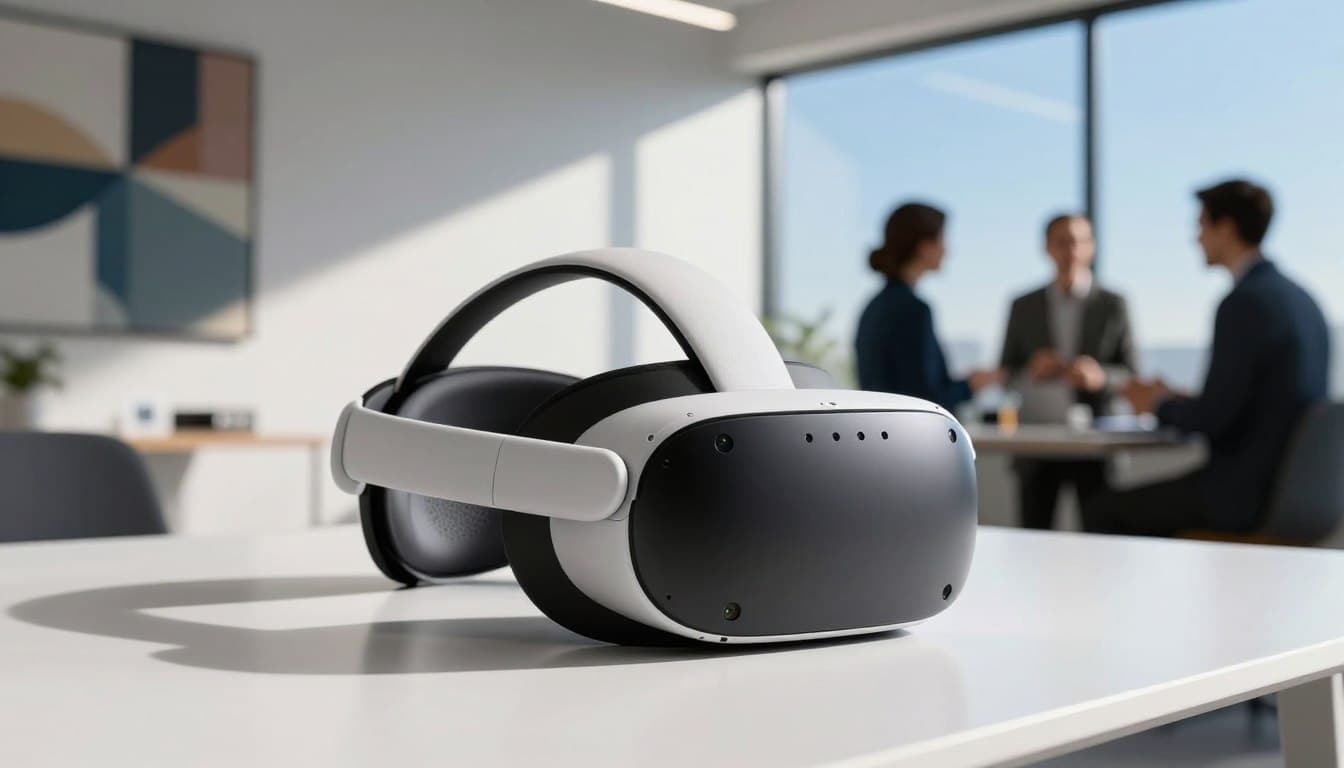
Meta's VR Future: Quest 3S Deals & 2025 Market Trends
Meta is pushing the boundaries of virtual reality with its latest innovation, the Quest 3S. As the tech giant continues to invest in VR technology, the market is abuzz with anticipation for what's to come in 2025.

The Quest 3S is set to revolutionize the VR landscape, offering users an unparalleled experience. With Meta's commitment to advancing VR technology, the future looks bright for enthusiasts and investors alike.
Key Takeaways
- Meta's Quest 3S is poised to shake up the VR market.
- Market trends indicate a surge in VR adoption in 2025.
- Meta's continued investment in VR technology is driving innovation.
- The Quest 3S offers users an enhanced VR experience.
- VR enthusiasts and investors are watching Meta's moves closely.
The Current State of Virtual Reality in 2024
The virtual reality sector is experiencing a paradigm shift in 2024, with new players entering the market and existing ones expanding their offerings. This transformation is driven by advancements in technology, increasing consumer demand, and the growing adoption of VR in various industries.
Market Size and Growth Statistics
The VR market has seen significant growth in recent years, with the global market size projected to reach $44.7 billion by 2024, growing at a CAGR of 33.8% from 2020 to 2024. This growth is fueled by the increasing popularity of VR headsets, improved content offerings, and the expanding use of VR in enterprise applications.
Key Players in the VR Industry
The VR industry is characterized by a mix of established tech giants and innovative startups. Key players include Meta, Sony, HTC, and Valve, among others. These companies are driving innovation in VR hardware, software, and content creation.
Meta's Current Market Position
Meta is a leading player in the VR market, with its Quest series being a popular choice among consumers. The company's focus on developing a comprehensive VR ecosystem, including hardware, software, and content, has positioned it well for continued growth in the market.
Meta's commitment to advancing VR technology and its expanding developer community are key factors contributing to its strong market position. As the VR landscape continues to evolve, Meta is well-positioned to remain a major player in the industry.
Meta's Evolution in the Virtual Reality Space
Meta's foray into virtual reality began with a bold move: the acquisition of Oculus VR. This strategic decision marked the beginning of Meta's journey in the VR space, setting the stage for significant advancements and innovations.
From Oculus to Meta: A Brief History
In 2014, Meta acquired Oculus VR, a company founded by Palmer Luckey. This acquisition was a pivotal moment in Meta's history, signaling its commitment to developing immersive VR technologies. Since then, Meta has continued to evolve Oculus' products and services, expanding its offerings in the VR market.
Meta's Vision for the Metaverse
Meta's vision for the metaverse is centered around creating a more immersive and interactive online environment. The metaverse is envisioned as a virtual world where users can engage in various activities, from social interactions to entertainment and education. Meta is investing heavily in developing the infrastructure and technologies necessary to bring this vision to life.
Recent Investments and Acquisitions
Meta's recent investments and acquisitions reflect its commitment to advancing VR technology. Some notable examples include:
| Company/Technology | Description | Year |
| Within | VR software company | 2021 |
| Downpour Interactive | VR game development studio | 2020 |
These investments demonstrate Meta's dedication to enhancing its VR capabilities and expanding its presence in the VR market.
Quest 3S: Features and Specifications
With the introduction of the Quest 3S, Meta continues to push the boundaries of what's possible in VR. This latest iteration brings significant upgrades across various aspects, enhancing the overall user experience.
Hardware Improvements Over Previous Models
The Quest 3S boasts several key hardware improvements. Notably, the device features advanced display and resolution upgrades, providing a more immersive experience.
Display and Resolution Upgrades
The Quest 3S offers a higher resolution display compared to its predecessors, resulting in sharper visuals and a more engaging VR environment. Improved display technology reduces screen-door effects, making virtual environments appear more realistic.
Processing Power and Battery Life
In terms of processing power, the Quest 3S is equipped with a more efficient processor, allowing for smoother performance and reduced latency. Additionally, enhancements in battery life ensure that users can enjoy extended VR sessions without interruption.
Software Ecosystem and App Library
The Quest 3S benefits from Meta's robust software ecosystem, offering access to a wide range of VR applications and experiences. The device is compatible with popular VR content, and developers are continually expanding the library with new and innovative apps.
Performance Benchmarks
Performance benchmarks for the Quest 3S indicate significant improvements over previous models. The device has been tested across various VR applications, demonstrating enhanced frame rates and overall system performance.
| Feature | Quest 3S | Previous Model |
| Resolution | 1832 x 1920 per eye | 1440 x 1600 per eye |
| Processor | Qualcomm Snapdragon XR2 | Qualcomm Snapdragon XR1 |
| Battery Life | Up to 6 hours | Up to 4 hours |
Quest 3S Pricing and Current Deals
With the launch of the Quest 3S, Meta is poised to capture a larger share of the VR market through strategic pricing and promotions. The Quest 3S is designed to offer consumers an affordable entry point into high-quality virtual reality without compromising on performance.
Retail Price Points and Packages
The Quest 3S is available in multiple packages, catering to different consumer needs. The base model starts at a competitive price point, making it an attractive option for those new to VR. More advanced packages, which include additional accessories or premium content, are also available at higher price points.
| Package | Price | Includes |
| Base Model | $299 | Quest 3S Headset, Controllers |
| Premium | $399 | Quest 3S Headset, Controllers, Additional Accessories |
| Elite | $499 | Quest 3S Headset, Controllers, Additional Accessories, Premium Content |
Limited-Time Promotions and Bundles
Meta is offering limited-time promotions and bundles to incentivize purchases. These include discounts on the Quest 3S when bundled with popular VR games or experiences. Consumers can enjoy up to 10% off the base model during the promotional period.
Subscription Options and Meta Quest+ Service
For frequent VR users, Meta offers the Meta Quest+ service, a subscription-based model that provides access to a library of premium VR content, including games and experiences. Priced at $9.99/month, Meta Quest+ is an affordable way to enjoy a wide range of VR content without having to purchase individual titles.
In conclusion, the Quest 3S offers flexible pricing options and attractive deals, making it an excellent choice for both new and experienced VR enthusiasts. With various packages, limited-time promotions, and the Meta Quest+ service, Meta is committed to providing a comprehensive VR experience.
How the Quest 3S Compares to Competitors
As the virtual reality market continues to evolve, the Meta Quest 3S has emerged as a strong contender against established players like PlayStation VR2, Valve Index, and Apple Vision Pro. The VR landscape is becoming increasingly competitive, with each headset offering unique features and capabilities.
Quest 3S vs. PlayStation VR2
The Quest 3S and PlayStation VR2 cater to different segments of the VR market. While the PlayStation VR2 is tied to the PS5 console, the Quest 3S operates independently as a standalone VR headset. This gives the Quest 3S an edge in terms of accessibility and flexibility.
Quest 3S vs. Valve Index
The Valve Index is known for its high-resolution displays and advanced tracking system. In comparison, the Quest 3S offers a more affordable entry point into PC-based VR, although it requires a computer to operate, unlike the standalone Quest 3S.
Quest 3S vs. Apple Vision Pro
The Apple Vision Pro represents Apple's foray into the VR market, offering integration with other Apple devices. The Quest 3S, on the other hand, provides a more affordable option with a broader range of compatible content.
Price-to-Performance Analysis
When considering the price-to-performance ratio, the Quest 3S stands out as a competitive option. It offers a balance of performance and affordability that is attractive to both new and experienced VR users. The Quest 3S's competitive pricing makes it an appealing choice in the current VR market.
In conclusion, the Quest 3S holds its own against competitors through its versatility and cost-effectiveness. As the VR market continues to grow, the Quest 3S is well-positioned to attract a wide range of consumers.
Virtual Reality Applications in 2025 and Beyond
As we look towards 2025, virtual reality is poised to revolutionize multiple industries. The versatility of VR technology is expected to drive innovation across various sectors, transforming how we live, work, and interact.
Gaming and Entertainment Innovations
The gaming industry is at the forefront of VR adoption. By 2025, we can expect more sophisticated VR games with enhanced graphics and immersive experiences. Advancements in haptic feedback and augmented reality integration will further blur the lines between the virtual and real worlds.

Education and Training Platforms
VR is set to revolutionize education by providing interactive and engaging learning experiences. Virtual labs, historical recreations, and training simulations will become more prevalent, enhancing student engagement and understanding.
Healthcare and Therapeutic Uses
In healthcare, VR is being explored for its therapeutic potential. It is being used for pain management, exposure therapy for PTSD, and surgical training. Future advancements are likely to expand these applications, improving patient outcomes.
Remote Work and Collaboration Tools
The shift towards remote work has accelerated the development of VR collaboration tools. Virtual meeting spaces and interactive work environments will become more common, enhancing remote collaboration and productivity.
These emerging trends and innovations highlight the vast potential of VR to transform various aspects of our lives. As VR technology continues to evolve, we can expect to see even more creative applications across different industries.
Meta's Strategic Roadmap for 2025
As Meta continues to push the boundaries of virtual reality, its strategic roadmap for 2025 is shaping up to be a game-changer. The company is focusing on several key areas to advance its VR technology and expand its ecosystem.
Upcoming Hardware Releases
Meta is expected to release new hardware in 2025, including the potential Quest 4. Rumors suggest that this next-generation device will feature significant improvements in resolution, processing power, and user comfort.
Quest 4 Rumors and Speculation
While details are scarce, speculation points to enhanced graphics capabilities and possibly new features like advanced eye-tracking. The Quest 4 is anticipated to be a major step forward in VR technology.
| Feature | Quest 3 | Quest 4 (Rumored) |
| Resolution | 1832 x 1920 per eye | Up to 4K per eye |
| Processor | Qualcomm Snapdragon XR2 | Next-gen Snapdragon XR |
Software Development Priorities
Meta is also prioritizing software development to enhance user experience. This includes improving existing apps and developing new ones that take full advantage of the upcoming hardware.
Partnerships and Content Strategies
To further enrich its VR ecosystem, Meta is forming partnerships with content creators and other industry players. These collaborations are expected to bring more diverse and engaging content to Meta's platforms.
By focusing on hardware innovation, software development, and strategic partnerships, Meta is poised to make significant strides in the VR industry in 2025.
Virtual Reality Market Trends for 2025
The VR landscape is evolving rapidly, with 2025 expected to be a pivotal year for consumer adoption and enterprise integration. As technology advances, we can anticipate significant shifts in how virtual reality is utilized across various sectors.
Consumer Adoption Forecasts
Consumer adoption of VR technology is expected to surge in 2025, driven by improved hardware affordability and a growing library of compelling content. Advancements in standalone VR headsets, like the Meta Quest series, are making VR more accessible to a wider audience.
The increasing popularity of VR gaming and entertainment is also contributing to this trend. As more consumers experience the benefits of VR, we can expect a steady rise in adoption rates.

Enterprise VR Integration
Enterprises are increasingly adopting VR for various applications, including training, remote collaboration, and customer experience enhancement. The use of VR in industries like healthcare and education is becoming more prevalent, offering immersive learning experiences.
Companies are leveraging VR to improve employee training programs, reducing costs and increasing efficiency. This trend is expected to continue growing as more businesses recognize the value of VR.
Emerging Technologies and Innovations
2025 will see the emergence of new technologies that will further enhance VR experiences. Advances in haptic feedback and eye-tracking technology are set to revolutionize the VR landscape, providing users with more immersive and interactive experiences.
AI Integration in VR Experiences
The integration of AI in VR is another significant trend for 2025. AI can enhance VR experiences by creating more realistic environments and adaptive difficulty levels in games. The combination of AI and VR has the potential to transform various industries, from entertainment to education.
As AI algorithms become more sophisticated, we can expect VR experiences to become even more personalized and engaging.
Challenges Facing Meta's VR Ambitions
The road ahead for Meta in the virtual reality space is fraught with difficulties, from technical limitations to intense competition. As Meta continues to push the boundaries of what is possible in VR, addressing these challenges will be crucial to its success.
Technical Limitations to Overcome
One of the primary challenges Meta faces is overcoming the technical limitations of current VR technology. This includes improving resolution, reducing latency, and enhancing overall user experience. For instance, higher resolution displays and more advanced tracking systems are needed to create a more immersive experience.
- Improving display resolution and field of view
- Reducing latency to minimize motion sickness
- Advancing tracking technology for more natural interactions
Competition from Tech Giants
Meta is not alone in the VR space; tech giants like Apple, Google, and Microsoft are also vying for dominance. This competition drives innovation but also presents a significant challenge for Meta in terms of market share and user adoption.
Privacy and Data Security Concerns
As VR technology becomes more pervasive, concerns about privacy and data security are growing. Meta must navigate these issues carefully, ensuring that user data is protected while also providing a personalized experience.
Regulatory Considerations
Regulatory scrutiny is another challenge Meta faces. As VR becomes more integrated into daily life, governments and regulatory bodies will likely impose stricter guidelines on data use, content moderation, and user safety.
Key regulatory considerations include:
- Compliance with data protection laws
- Adherence to content moderation standards
- Ensuring user safety in VR environments
Investment Opportunities in the VR Ecosystem
Investment in the VR ecosystem is diversifying, with promising prospects in hardware, content creation, and infrastructure. As the VR industry continues to grow, various segments are emerging as attractive investment opportunities.
Hardware Manufacturers and Component Suppliers
Companies that manufacture VR hardware and supply critical components are poised for significant growth. Advancements in VR technology are driving demand for more sophisticated and affordable hardware. Investors can look into companies that specialize in producing high-resolution displays, advanced tracking systems, and comfortable, ergonomic designs.
Content Creators and Development Studios
The success of VR depends heavily on the quality and diversity of its content. Content creators and development studios are crucial in this regard, producing experiences that range from immersive games to educational content and beyond. Investing in studios that are pushing the boundaries of VR content can yield significant returns as the market expands.
Infrastructure and Support Services
Beyond hardware and content, the VR ecosystem relies on robust infrastructure and support services. This includes cloud services for VR data processing, cybersecurity measures to protect user data, and platforms that facilitate the distribution of VR content. Infrastructure providers are essential for supporting the growth of VR, making them viable investment targets.
Conclusion: The Future of Virtual Reality with Meta
As the virtual reality (VR) industry continues to evolve, Meta is poised to play a significant role in shaping its future. With the release of Quest 3S, Meta has demonstrated its commitment to advancing VR technology and making it more accessible to consumers.
The future of VR holds much promise, with applications expanding beyond gaming and entertainment to education, healthcare, and remote work. Meta's strategic roadmap for 2025, including upcoming hardware releases and software development priorities, will be crucial in driving this growth.
As the VR landscape continues to shift, Meta's role in driving innovation and adoption will be pivotal. With its continued investments in VR technology and content creation, Meta is well-positioned to remain a leader in the industry.
The future of VR is bright, and Meta's contributions will be instrumental in shaping its trajectory. As the industry continues to evolve, it will be exciting to see how Meta's advancements impact the way we interact, work, and play in virtual environments.