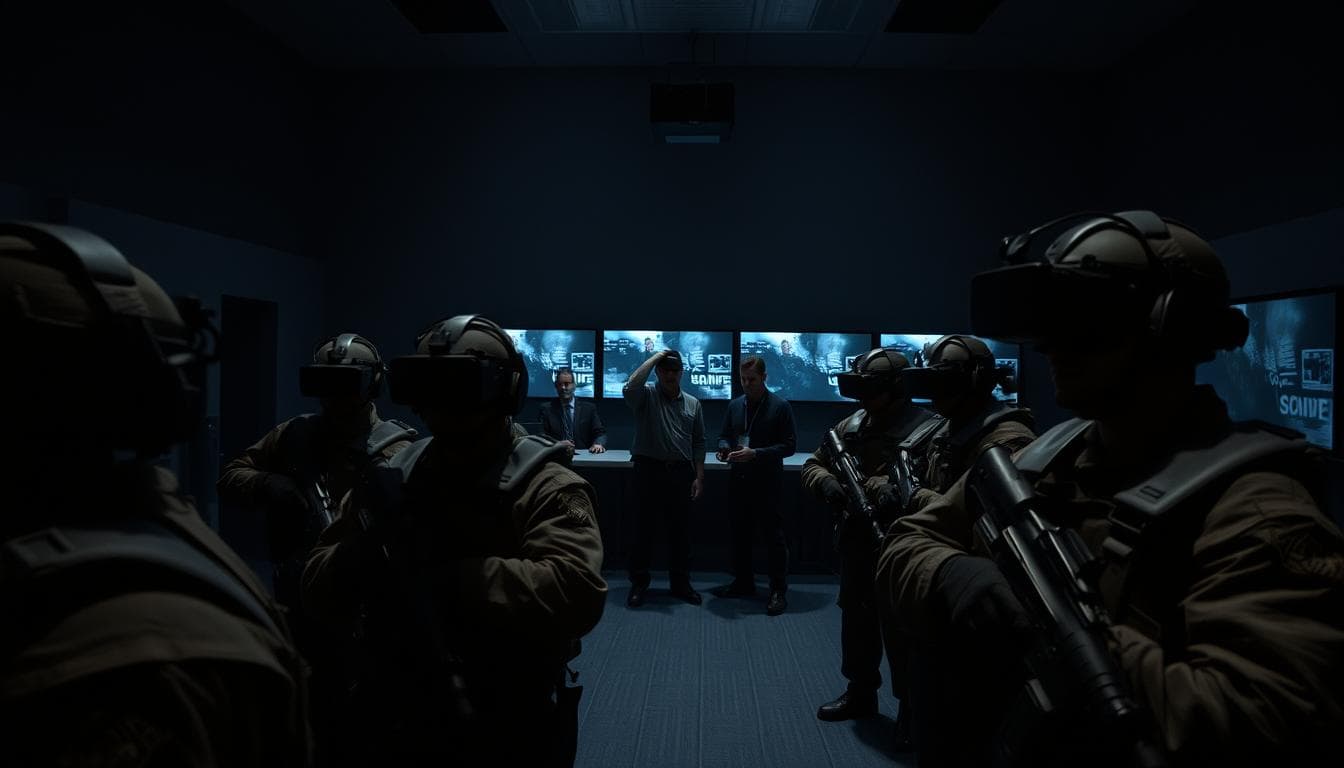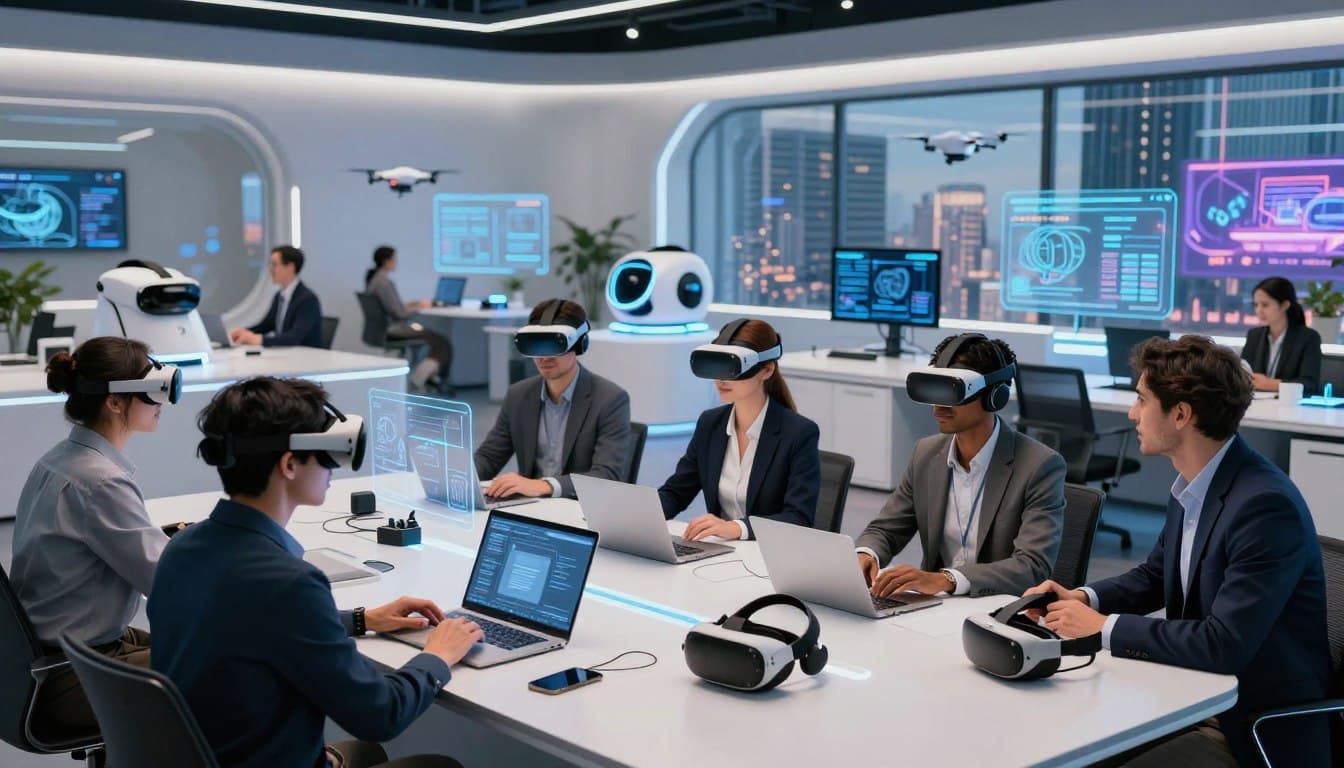
Meta's Reality Labs Layoffs: What's Next for VR Innovation?
Meta's Reality Labs has recently undergone significant layoffs, leaving many to wonder about the future of VR innovation. The tech giant's decision has sparked a mix of reactions from industry experts and enthusiasts alike.

As a leader in the field of virtual reality, Meta's Reality Labs has been at the forefront of developing immersive technologies. The layoffs have raised concerns about the potential impact on the advancement of VR technology.
This article will delve into the details of the layoffs and explore what's next for VR innovation in the industry.
Key Takeaways
- Meta's Reality Labs has undergone significant layoffs.
- The layoffs have raised concerns about the future of VR innovation.
- The tech giant remains a leader in the field of virtual reality.
- The impact of the layoffs on VR technology advancement is a concern.
- The industry is watching closely to see what's next for VR innovation.
1. What Just Happened at Meta's Reality Labs?
The tech world was shaken when Meta announced layoffs at its Reality Labs division, a crucial part of its virtual reality (VR) and augmented reality (AR) endeavors. This move has sparked widespread interest and concern about the future of VR technology and Meta's role in it.
Layoff Announcement Details
The layoffs at Meta's Reality Labs were part of a broader restructuring effort within the company. According to Mark Zuckerberg, Meta's CEO, the decision was made to "prioritize our resources on our most important areas of growth." This statement was made during an internal meeting, as reported by several sources.
"We're making some changes to our organization to ensure we're well-positioned for the future."
How Many Employees Were Affected
While the exact number of employees affected by the layoffs hasn't been publicly disclosed, sources close to the matter indicate that it involves hundreds of positions. This significant reduction in workforce is expected to impact various teams within Reality Labs, including those working on hardware, software, and content creation.
Official Statements from Meta Leadership
In an official statement, Meta's leadership emphasized that the layoffs were a necessary step to streamline operations and focus on key areas of innovation. They highlighted the company's commitment to advancing VR technology, despite the current restructuring. As Meta's spokesperson noted, "We're committed to supporting our employees through this transition."
The layoffs at Meta's Reality Labs signify a pivotal moment for the company and the VR industry as a whole. As the situation continues to unfold, industry observers and consumers alike are watching closely to see how Meta's decisions will shape the future of virtual reality technology.
2. Getting to Know Reality Labs: Meta's VR Powerhouse
Reality Labs, under Meta, is pushing the boundaries of what's possible in virtual reality. As a key division within the company, it has been instrumental in shaping the future of VR technology.
The Birth and Evolution of Reality Labs
Reality Labs was formed through a series of strategic acquisitions and investments by Meta, aiming to consolidate its position in the VR market. Over the years, it has evolved significantly, from its early focus on basic VR experiences to its current role in developing sophisticated VR and AR products.
Flagship Products: Quest Headsets and Ray-Ban Smart Glasses
Reality Labs is known for its innovative products, including the Meta Quest headsets and Ray-Ban Smart Glasses. The Quest series has been particularly successful, offering high-quality VR experiences without the need for a PC. The Ray-Ban Smart Glasses, on the other hand, represent a significant step into the AR space.
The Financial Reality: Billions in Losses
Despite its innovative products, Reality Labs has faced significant financial challenges. The division has incurred billions of dollars in losses over the years, raising questions about its long-term viability.
Year-by-Year Investment Breakdown
| Year | Investment ($Billion) | Revenue ($Billion) | Loss ($Billion) |
| 2020 | 2.5 | 0.5 | 2.0 |
| 2021 | 3.0 | 0.8 | 2.2 |
| 2022 | 3.5 | 1.0 | 2.5 |
Revenue vs. Expenditure Gap
The financial reports of Reality Labs show a significant gap between revenue and expenditure. Despite increasing investments, the revenue generated has not been sufficient to cover the costs, leading to substantial losses.
This financial reality underscores the challenges faced by Reality Labs in its mission to lead the VR market. However, Meta's continued investment in the division suggests a long-term commitment to its success.
3. Why Meta Pulled the Trigger on These Layoffs
Meta's Reality Labs has undergone significant layoffs, prompting a closer look at the factors driving this decision. As the tech industry continues to evolve, Meta is navigating the challenges of maintaining innovation while optimizing resources.
The "Year of Efficiency" and Cost-Cutting Measures
Meta has been emphasizing its "Year of Efficiency" initiative, aimed at streamlining operations and reducing costs. This strategic shift is part of a broader effort to enhance the company's financial performance and competitiveness in the tech industry.
The layoffs at Reality Labs are a key component of this initiative, allowing Meta to reallocate resources to areas deemed more critical to its future growth. By focusing on efficiency, Meta aims to improve its overall financial health and invest in emerging technologies.
Investor Pressure and Stock Performance
Investor pressure has also played a significant role in Meta's decision-making process. The company faces scrutiny from investors to demonstrate its ability to generate returns on investment, particularly in the face of significant expenditures on VR and AI technologies.
Meta's stock performance has been a concern, with the company's investment in VR and metaverse technologies yet to yield the expected returns. By restructuring and focusing on high-priority projects, Meta aims to reassure investors of its commitment to profitable growth.
Shifting Priorities: AI Takes Center Stage
Meta is increasingly focusing on AI as a key driver of its future innovation. The company is investing heavily in AI research and development, recognizing its potential to transform various aspects of its business, from content creation to user experience.
Balancing AI and VR Investments
While VR remains a significant area of investment for Meta, the company is now balancing its resources between VR and AI. This shift reflects Meta's recognition of AI's potential to drive growth across multiple business segments.
- AI-driven content creation tools
- Enhanced user experience through AI-powered interfaces
- AI applications in VR for more immersive experiences
Resource Allocation Decisions
The decision to lay off employees at Reality Labs is part of a broader resource allocation strategy. By streamlining its workforce, Meta can redirect talent and resources to areas with higher growth potential, such as AI research and development.
This strategic reallocation is expected to drive innovation and improve Meta's competitive position in the tech industry. As the company continues to navigate the challenges of a rapidly evolving market, its ability to adapt and prioritize emerging technologies will be crucial to its success.
4. Which Reality Labs Projects Got Hit Hardest?
Reality Labs, Meta's division focused on VR and AR technology, has seen substantial layoffs affecting multiple teams. The restructuring has impacted various projects across different departments, raising concerns about the future of some key initiatives.
Hardware Teams: Quest and AR Glasses Development
The hardware teams within Reality Labs, particularly those working on the Quest series and AR glasses, have been significantly impacted. The Quest headsets have been a crucial part of Meta's VR strategy, and any disruption in their development could affect the company's competitive edge in the VR market.
Impact on Quest Development: The layoffs have touched the teams responsible for both hardware and software aspects of the Quest headsets. This could potentially delay upcoming models or features, giving competitors an opportunity to catch up.
Software Divisions: Operating Systems and Apps
The software divisions, including those working on operating systems for VR devices and associated applications, have also seen significant layoffs. This could affect the user experience and the overall ecosystem around Meta's VR products.
Operating System Challenges: The team responsible for the VR operating system has been reduced, which might slow down the development of new features and the refinement of existing ones.
Content Creation and Studio Teams
Content creation and studio teams, which are vital for developing engaging VR experiences, have been impacted by the layoffs. This could lead to a reduction in the quality or quantity of VR content available on Meta's platforms.
Research Labs and Experimental Projects
Research labs working on experimental VR and AR projects have also been affected. These projects, while not immediately commercially viable, are crucial for the long-term innovation and leadership of Meta in the VR space.
Shelved Prototypes and Concepts
Several prototypes and concepts under development have been shelved due to the layoffs. This includes advanced AR glasses prototypes that were being developed for future release.
Timeline Delays for Upcoming Products
The layoffs have also resulted in timeline delays for upcoming VR products. This includes not just hardware but also software and content releases, potentially giving competitors a head start.
Here's a summary of the impact on various Reality Labs projects:
| Project Area | Impact | Potential Consequences |
| Quest and AR Glasses Development | Significant layoffs in hardware teams | Delays in new models and features |
| Operating Systems and Apps | Reduced teams for OS and app development | Slower feature development and refinement |
| Content Creation and Studios | Layoffs affecting content quality and quantity | Less engaging VR experiences |
| Research Labs | Impact on experimental projects | Reduced innovation and leadership in VR |

The layoffs at Reality Labs signify a challenging period for Meta's VR ambitions. However, the company remains committed to its long-term vision for VR and AR technology.
5. How These Layoffs Impact Virtual Reality Innovation
As Meta restructures its Reality Labs division, the VR industry watches closely, wondering what this means for the future of VR innovation. The layoffs have raised significant concerns about the potential slowdown in VR technology advancement and the impact on various stakeholders, including developers, content creators, and consumers.
Immediate Effects on Quest Product Line
The Quest product line is a crucial part of Meta's VR strategy, and any impact on its development could have significant implications. Quest 3 support and updates are likely to be affected, potentially delaying new features and improvements.
Quest 3 Support and Updates
Meta's commitment to supporting existing Quest products is being closely monitored. As one industry expert noted, "The continued support for Quest 3 is vital for maintaining user trust and ensuring the longevity of the product." Any reduction in support could lead to a decline in user satisfaction and a potential shift to competitor products.
Future Quest Iterations
The layoffs also raise questions about the future development of Quest headsets. Will Meta continue to innovate and release new iterations, or will the restructuring slow down this process? As
"The future of VR is closely tied to the advancements in hardware and software, and any slowdown could have far-reaching consequences."
said by a leading VR analyst.
The Bigger Picture for VR Technology Advancement
The layoffs at Meta's Reality Labs have broader implications for the VR industry. Concerns about industry-wide innovation are growing, as Meta is a key player in the VR space.
Industry-Wide Innovation Concerns
The restructuring could lead to a ripple effect, impacting other companies and projects within the VR ecosystem. As a result, the overall pace of innovation in VR technology might slow down.
Patent Development and R&D Output
Meta's Reality Labs has been at the forefront of VR innovation, filing numerous patents and driving R&D output. A reduction in workforce could impact this, potentially slowing down the development of new VR technologies.
What Developers and Content Creators Are Saying
Developers and content creators are closely watching the situation, as their work is heavily reliant on Meta's VR platforms. Many are expressing concerns about the future of their projects and the potential impact on their businesses.
Consumer Confidence in the VR Ecosystem
The layoffs are also affecting consumer confidence in the VR ecosystem. As Meta navigates this restructuring, maintaining transparency and reassuring users about the future of VR innovation will be crucial.
In conclusion, the layoffs at Meta's Reality Labs have significant implications for VR innovation, affecting not just the company but the broader industry. As the situation unfolds, stakeholders across the VR ecosystem will be watching closely.
6. The Future of Meta's Metaverse Dreams
The recent restructuring at Meta has sparked intense speculation about the future trajectory of its metaverse dreams. As the company navigates through the challenges posed by the layoffs, it's clear that Meta is at a pivotal moment in its journey towards revolutionizing the virtual reality (VR) landscape.
Reassessing the Metaverse Strategy
Meta's metaverse strategy is undergoing a significant reassessment. The company is focusing on streamlining its operations and prioritizing projects that offer the most substantial returns. This involves a thorough examination of its current initiatives and a potential shift in resources.
Key areas of focus include enhancing the user experience in Horizon Worlds and bolstering enterprise VR solutions. By doing so, Meta aims to create a more robust and appealing metaverse ecosystem.
Horizon Worlds: What's Changing?
Horizon Worlds, Meta's social VR platform, is expected to undergo significant changes. The platform's development will likely be influenced by user feedback and the need for more engaging experiences. Enhancements to user interaction and the introduction of new features are anticipated.

Enterprise VR Solutions and Business Focus
Meta is placing a heightened emphasis on enterprise VR solutions, recognizing the potential for significant growth in this sector. The company's focus on business applications is expected to drive adoption and revenue.
Workplace Collaboration Tools
One area of focus is the development of workplace collaboration tools. These tools are designed to enhance productivity and facilitate remote work. By leveraging VR, Meta aims to revolutionize the way teams collaborate.
Training and Simulation Applications
Another key area is training and simulation applications. These have vast potential in industries such as education, healthcare, and manufacturing. Meta's VR solutions can provide immersive and effective training experiences.
| Application | Description | Industry Impact |
| Workplace Collaboration | Enhance remote team productivity | High |
| Training Simulations | Immersive training experiences | High |
As Meta continues to evolve its metaverse strategy, the focus on enterprise VR solutions is poised to drive significant advancements in the field. By prioritizing user needs and business applications, Meta is working towards creating a more viable and attractive metaverse.
7. How the Competition Is Seizing This Moment
As Meta restructures its Reality Labs, competitors are seizing the opportunity to gain ground in the VR market. The layoffs have created a power vacuum that other companies are eager to fill, advancing their own VR initiatives.
Apple Vision Pro: Gaining Ground
Apple's Vision Pro is making significant strides in the VR market. With its advanced technology and sleek design, it's attracting attention from both consumers and developers.
Market Positioning and Strategy
Apple is positioning the Vision Pro as a premium product, leveraging its brand loyalty to capture a significant share of the high-end VR market. The company's strategy includes integrating the device seamlessly with other Apple products, enhancing the user experience.
Developer Ecosystem Growth
The growth of Apple's developer ecosystem is crucial for the success of the Vision Pro. Apple is incentivizing developers to create content for the platform, offering tools and support to help them get started.
Sony's PlayStation VR2 Momentum
Sony's PlayStation VR2 is another significant player in the VR market, capitalizing on the popularity of the PlayStation brand. With a strong lineup of compatible games, Sony is attracting gamers to its VR platform.
Emerging Startups and New Players
The VR landscape is also seeing the emergence of new startups and players. These companies are innovating in various areas, from hardware to software, and are bringing fresh perspectives to the industry.
Microsoft's HoloLens and Mixed Reality Direction
Microsoft is continuing to advance its HoloLens technology, focusing on mixed reality applications, particularly in enterprise and industrial settings. The company is positioning HoloLens as a tool for businesses, enhancing productivity and efficiency.
"The future of VR is not just about gaming; it's about creating immersive experiences that transform industries." This sentiment is echoed by industry leaders as they explore new applications for VR technology.
As the VR market continues to evolve, the competition is expected to intensify. Companies that innovate and adapt quickly will be best positioned to succeed in this rapidly changing landscape.
8. What Industry Experts Predict for VR's Future
As VR technology continues to evolve, industry experts are sharing their forecasts for its future development. The predictions span various aspects, from market trends and growth projections to consumer behavior and investment trends.
Market Analyst Forecasts and Trends
Market analysts have been closely monitoring the VR industry, providing insights into its potential growth and trends. Key areas of focus include global VR market growth projections and adoption rate predictions.
Global VR Market Growth Projections
The global VR market is expected to experience significant growth in the coming years. According to recent reports, the market is projected to grow at a compound annual growth rate (CAGR) of 33.8% from 2023 to 2030.
| Year | Projected Market Size | CAGR |
| 2023 | $12.9 billion | 33.8% |
| 2030 | $44.7 billion | 33.8% |
Adoption Rate Predictions
Adoption rates for VR technology are also expected to rise, driven by advancements in hardware and software, as well as increasing consumer interest.
Key drivers of VR adoption include:
- Increasing availability of VR content
- Advancements in VR hardware
- Growing consumer awareness
Tech Industry Leaders Weigh In
Tech industry leaders have shared their insights on VR's future, highlighting its potential applications across various sectors.
"VR is going to change the way we interact with information and with each other."
— Mark Zuckerberg, CEO of Meta
Consumer Behavior and Demand Signals
Consumer behavior and demand signals are crucial indicators of VR's future growth. Experts are monitoring these trends to predict the direction of the industry.
Investment Trends in VR Technology
Investment trends in VR technology are also being closely watched. Venture capitalists and major tech companies are investing heavily in VR startups and projects.
The investment landscape is expected to evolve as VR technology matures.
9. Conclusion
The recent layoffs at Meta's Reality Labs have sent shockwaves through the virtual reality industry. As the company navigates this challenging period, the future of VR innovation hangs in the balance. The layoffs, part of Meta's "Year of Efficiency" initiative, reflect a broader shift in the company's priorities, with a newfound focus on AI technology.
Despite these changes, Meta's Reality Labs remains a significant player in the VR landscape. The Quest headsets and Ray-Ban Smart Glasses continue to push the boundaries of virtual reality. However, the layoffs have raised concerns about the impact on VR innovation and the metaverse strategy.
As the VR industry continues to evolve, the actions of key players like Meta will shape the future of virtual reality. The competition is heating up, with companies like Apple and Sony making significant strides in VR technology. The outcome of Meta's restructuring efforts will be crucial in determining the trajectory of VR innovation.