Meta's Reality Labs Cuts: Is a 'VR Winter' Upon Us?
Tech enthusiasts across the United States are closely watching the latest shifts in the digital landscape. Recent updates suggest a major pivot for the social media giant Meta. Many people wonder if the dream of a fully connected digital world is hitting a sudden roadblock.
The company recently announced strategic cuts within its Reality Labs division. These changes signal a more cautious approach to spending on emerging VR hardware and experimental software. Change can be difficult, but it often leads to a more focused vision for the future.

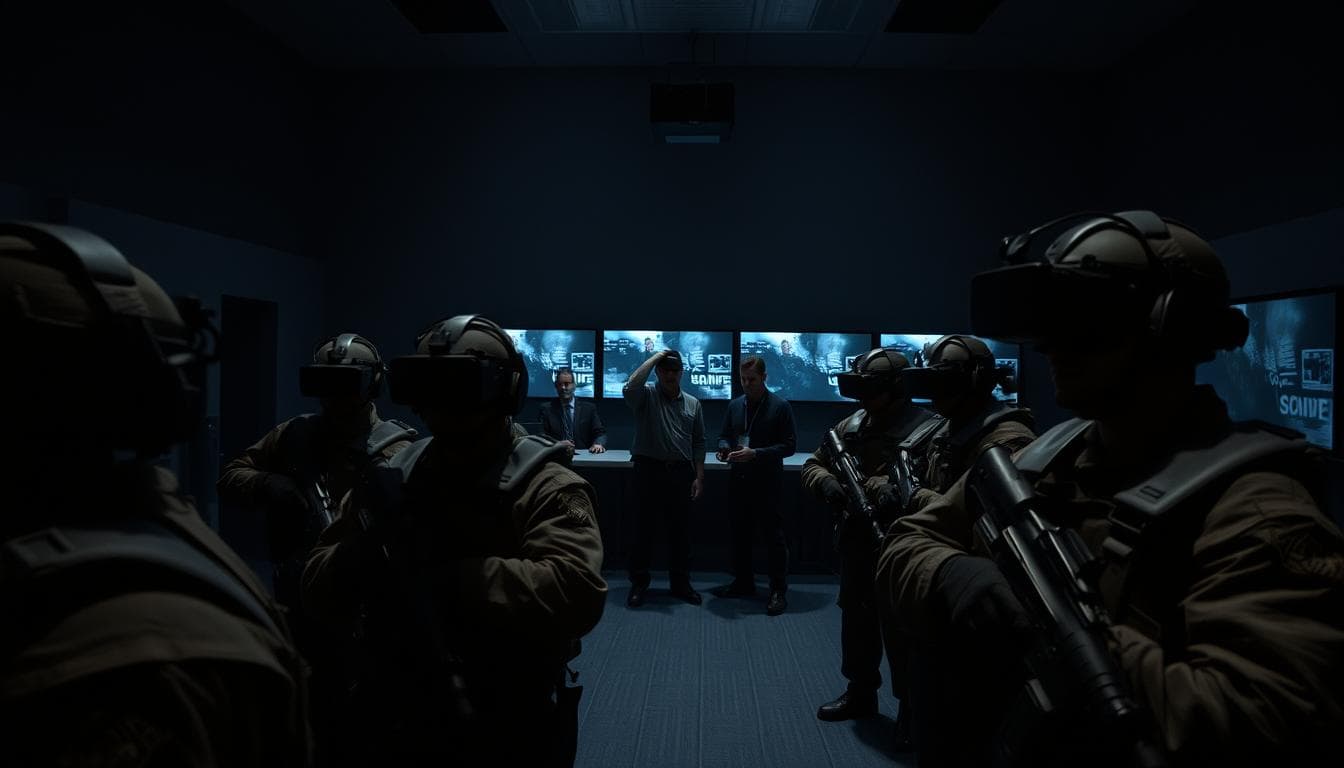
Industry experts are now debating if a "winter" is coming for the virtual reality sector. This term describes a period of slower growth and fewer new product releases. While some feel worried, others see this as a necessary step for VR tech to mature into a mainstream tool.
Navigating these headlines helps us understand the evolving tech market. It is an exciting time to stay informed about how our digital experiences will change. We should look at these updates as a bridge to a more sustainable ecosystem for everyone involved.
Key Takeaways
- Meta is restructuring its internal divisions to prioritize efficiency.
- Budget cuts at Reality Labs suggest a temporary slowdown in rapid expansion.
- The "VR Winter" concept highlights a cooling period for immersive tech investments.
- Mainstream adoption remains a long-term goal despite current financial shifts.
- Developers may face a more competitive environment for funding new projects.
- Focus is shifting toward refining existing hardware rather than launching many new gadgets.
1. Meta Shakes Up Reality Labs: What Just Happened
In a surprising move, Meta has shaken up its Reality Labs division, raising questions about the impact on the VR industry. The restructuring of Reality Labs is a significant development that has caught the attention of industry observers and insiders alike.
The changes at Reality Labs are part of a broader effort by Meta to refine its focus on virtual reality and the metaverse. Meta's VR strategy is being re-evaluated, with a focus on prioritizing key projects and investments.
The restructuring has led to a realignment of resources within the company. A closer look at the changes reveals a shift in priorities, with some projects being canceled or postponed.
| Area of Change | Description | Impact |
| Project Prioritization | Focus on key VR projects | Resource reallocation |
| Team Restructuring | Realignment of personnel | Efficiency improvements |
| Investment Strategy | Re-evaluation of VR investments | Potential for increased ROI |
These changes reflect VR industry trends, where companies are continually assessing and adjusting their strategies to stay competitive. Meta's restructuring is a significant indicator of the evolving landscape in virtual reality.
2. The Scope of Reality Labs Cutbacks
The recent cutbacks at Reality Labs signal a major shift in Meta's VR strategy. As the company continues to navigate the complexities of the virtual reality market, it's essential to understand the scope of these changes.
Employee Layoffs and Team Restructuring
Reality Labs has been hit with significant layoffs, affecting various teams within the division. This restructuring aims to streamline operations and focus on core projects. The layoffs are part of a broader effort to optimize resources and improve efficiency.
- Key teams affected include those working on VR hardware and software development.
- Some employees have been reassigned to other departments within Meta.
- The restructuring is expected to continue throughout the year.
Canceled and Postponed Projects
Several VR projects have been canceled or postponed as part of the cutbacks. This move is likely a response to the current market conditions and Meta's reassessment of its VR priorities.
Some of the affected projects include:
- Advanced VR hardware development.
- Certain software features and applications.
Budget Shifts and Resource Reallocation
The Reality Labs budget is being reallocated to focus on high-priority projects. This shift is expected to impact the overall VR industry, as Meta's decisions often influence the direction of the market.
As Meta navigates these changes, the VR industry will be watching closely to see how these cutbacks affect the future of virtual reality.
3. Understanding the "VR Winter" Phenomenon
The concept of a "VR Winter" has been gaining traction, sparking concerns about the future of virtual reality technology. To understand this phenomenon, it's essential to look at historical precedents and the cyclical nature of emerging technologies.
Lessons from the AI Winter of the 1980s
The term "AI Winter" refers to a period of reduced funding and interest in artificial intelligence research during the 1980s. This period was characterized by high expectations followed by disappointment and a subsequent decrease in investment. Similarly, the "VR Winter" could represent a cooling of enthusiasm and investment in virtual reality.
Boom and Bust Cycles in Emerging Tech
Emerging technologies often follow a pattern of hype, disappointment, and eventual maturation. As Nick Patience, a technology analyst, notes, "The history of emerging tech is marked by cycles of boom and bust, with VR being no exception." Understanding these cycles can provide insight into whether the current situation constitutes a genuine "winter" or a normal fluctuation.
| Technology | Hype Period | Disappointment | Maturation |
| Artificial Intelligence | 1950s-1960s | 1980s AI Winter | 1990s-2000s Resurgence |
| Virtual Reality | 1990s Early Adoption | Early 2000s Decline | 2010s Resurgence with Oculus |
By examining these patterns and learning from history, we can better understand the potential trajectory of VR technology and whether we're indeed facing a "VR Winter."
4. Meta's Virtual Reality Journey: From Oculus to Now
Meta's foray into virtual reality started with the acquisition of Oculus VR in 2014 for $2 billion. This significant investment marked the beginning of Meta's journey in the VR space, setting the stage for future developments and innovations.
The 2014 Oculus Acquisition
The acquisition was more than just a financial investment; it was a strategic move to enter the burgeoning VR market. Facebook's then-CEO, Mark Zuckerberg, saw the potential of VR to revolutionize how people interact and experience technology.
Facebook's Two Billion Dollar Bet
Zuckerberg's decision to invest $2 billion in Oculus was seen as a bold move, reflecting his confidence in VR's future. This investment was not just about the technology itself but about the potential it held for changing the social fabric.
Early Promise and Rift Development
The Oculus Rift was one of the first high-profile products under Meta's ownership, promising immersive experiences that were previously unimaginable. Although it faced some challenges, it paved the way for future VR headsets.
Quest Headset Success and Challenges
Meta's subsequent release of the Quest headset series marked a significant shift towards standalone VR, eliminating the need for a PC or console. This move was both a success and a challenge, as it opened new markets but also presented technical and content-related hurdles.
Quest 2 Market Dominance
The Quest 2 became a market leader, praised for its accessibility and content library. It demonstrated Meta's ability to innovate and capture a significant share of the VR market.
Quest 3 and Quest Pro Performance
Later models like the Quest 3 and Quest Pro continued to push the boundaries of VR technology, offering improved performance and features. However, they also faced challenges in terms of market reception and competition.
The Metaverse Rebrand and Reality Check
Meta's rebranding efforts, focusing on the concept of the Metaverse, represented a broader vision for VR and its role in the future of technology and society. However, this rebranding also brought a reality check, as the company faced scrutiny over its ambitions and the practical challenges of realizing them.
As Meta continues its journey in the VR space, the lessons learned from its successes and challenges will be crucial. The company's ability to innovate, adapt, and respond to market dynamics will determine its position in the evolving VR landscape.
| Year | Event | Impact |
| 2014 | Oculus Acquisition | Marked Meta's entry into VR |
| 2016 | Rift Release | First high-profile VR headset |
| 2019 | Quest Release | Shift to standalone VR |
5. The Brutal Financial Reality Behind the Cuts
Meta's Reality Labs has been facing significant financial challenges, leading to recent restructuring efforts. The division, which encompasses Meta's virtual reality (VR) and augmented reality (AR) ambitions, has been under scrutiny due to its substantial financial losses.
Cumulative Losses Since 2020
The financial strain on Reality Labs is evident when examining the cumulative losses since its inception. The division has incurred significant expenses in developing VR and AR technologies.
Fourth Quarter 2024 Results
In the fourth quarter of 2024, Reality Labs reported a substantial loss, contributing to the overall cumulative loss since 2020. The exact figures highlight the ongoing financial challenges faced by the division.
Total Investment vs. Returns
A comparison of the total investment in Reality Labs versus the returns generated reveals a significant disparity. The investment has been substantial, but the returns have not been sufficient to offset the costs.
| Year | Investment (in billions) | Returns (in billions) | Loss (in billions) |
| 2020 | $2 | $0.5 | $1.5 |
| 2021 | $5 | $1 | $4 |
| 2022 | $7 | $2 | $5 |
| 2023 | $10 | $3 | $7 |
| 2024 | $12 | $4 | $8 |
Wall Street and Shareholder Pressure
The financial performance of Reality Labs has not gone unnoticed by Wall Street and Meta's shareholders. The significant losses have led to increased pressure on Meta to reassess its investment in the division.
Zuckerberg's Efficiency Year
In response to the financial challenges and external pressures, Mark Zuckerberg has emphasized the importance of efficiency within the company. The restructuring efforts at Reality Labs are part of this broader initiative to streamline operations and improve financial performance.
As Meta navigates the challenges faced by Reality Labs, the company remains committed to its long-term vision for VR and AR technologies. The recent restructuring efforts are aimed at positioning the division for future success despite the current financial hurdles.
6. Troubling Signals Across the VR Industry
Troubling signs are emerging across the VR landscape, indicating a broader industry challenge that goes beyond Meta's recent restructuring. Several key players are facing significant hurdles, suggesting a potentially difficult period ahead for virtual reality.
Apple Vision Pro's Disappointing Launch Year
The much-anticipated Apple Vision Pro has not met sales expectations, raising concerns about consumer interest in high-end VR products. Despite its technological advancements, the device's hefty price tag may be limiting its market appeal.

Sony PlayStation VR2 Sales Slump
Sony's PlayStation VR2 has also seen a significant slump in sales following its initial launch hype. The lackluster performance indicates that console-based VR may be struggling to gain long-term traction with gamers.
Venture Capital Pullback from VR Startups
The VR industry is also witnessing a pullback from venture capitalists, who are becoming increasingly cautious about investing in VR startups. This reduction in funding could stifle innovation and hinder the development of new VR technologies.
Major VR Studio Closures
Several major VR studios have closed down or significantly scaled back operations, further signaling a downturn in the industry. These closures not only affect the developers but also impact the availability of VR content for consumers.
The combination of these factors paints a concerning picture for the VR industry's near-term prospects. However, it's worth noting that many emerging technologies face similar cycles of boom and bust before achieving mainstream success.
7. How This Affects the Virtual Reality Ecosystem
As Meta's Reality Labs undergoes significant changes, the entire VR ecosystem feels the impact. The restructuring and cutbacks have far-reaching implications that affect various stakeholders, from independent developers to hardware suppliers.
Independent VR Developers Face Uncertainty
Independent VR developers are particularly vulnerable to the changes in the VR ecosystem. With Meta's reduced investment in Reality Labs, these developers face uncertainty regarding future support and resources. Key challenges include:
- Reduced funding opportunities
- Uncertainty about future platform support
- Increased competition for remaining resources
Content Platform Consolidation
The cutbacks may lead to consolidation among VR content platforms. This could result in fewer options for developers to distribute their content and for users to access a variety of VR experiences. Potential outcomes include:
- Fewer platforms for content distribution
- Increased focus on high-quality, profitable content
- Potential loss of niche or experimental content
Hardware Supply Chain Implications
The hardware supply chain is also likely to be affected by the changes at Meta's Reality Labs. Suppliers may need to adjust their production and inventory based on the reduced demand for certain hardware components. Key implications include:
- Reduced demand for specific VR hardware components
- Potential for supply chain disruptions
- Need for suppliers to diversify their customer base
8. Competitors Navigate the Changing VR Landscape
The current VR landscape is marked by uncertainty, with major players such as ByteDance, Valve, and HTC Vive responding to Meta's strategic shifts. As the industry evolves, these competitors are adopting unique strategies to navigate the challenges and opportunities presented by the changing market dynamics.
ByteDance Scaling Back Pico Operations
ByteDance, the owner of Pico, has been adjusting its VR strategy in response to the shifting market landscape. This includes scaling back certain operations and refocusing efforts on more promising areas within the VR space. According to industry insiders, "ByteDance is recalibrating its approach to VR, emphasizing quality over quantity in its product lineup."
Valve Index and Steam VR Strategy
Valve, known for its Index headset and Steam VR platform, is taking a different approach. The company is focusing on enhancing user experience and expanding its content library, aiming to solidify its position in the PC VR market. As noted by a Valve representative, "We're committed to delivering high-quality VR experiences that meet the evolving needs of our users."
HTC Vive Focus on Enterprise
HTC Vive is shifting its focus towards enterprise applications, recognizing the growing demand for VR solutions in business and education. This strategic pivot is expected to help HTC maintain its presence in the VR market, even as consumer-focused VR experiences face challenges. A recent statement from HTC highlighted their commitment to "empowering businesses with innovative VR technology."
As the VR industry continues to evolve, the strategies employed by these competitors will be crucial in determining their success in a rapidly changing landscape.
9. Real-World Impact on Developers and Users
The VR industry is experiencing a significant shift, with Meta's Reality Labs cuts having far-reaching consequences for developers and end-users. This restructuring has raised concerns about the future of VR development and the support for existing hardware like the Quest.
What VR Game Developers Are Saying
VR game developers are expressing mixed feelings about the recent changes. Some are concerned about the potential reduction in support and resources, while others see it as an opportunity to adapt and innovate. For instance, a developer for a popular VR game noted that the cuts could lead to a more streamlined development process, focusing on high-quality content.
However, others are worried about the impact on smaller studios and independent developers who rely heavily on Meta's support and resources. The uncertainty surrounding the future of VR development has led to a wait-and-see approach among many in the community.
Support and Updates for Current Quest Owners
For current Quest owners, the immediate concern is the continued support and updates for their devices. Meta has assured users that existing hardware will continue to receive support, but the frequency and quality of updates are uncertain. A comparison of the support plans for different VR headsets is shown below:
| VR Headset | Support Duration | Update Frequency |
| Meta Quest 2 | 2-3 years | Quarterly |
| Meta Quest 3 | 3-4 years | Bi-annually |
| Other VR Headsets | Varies | Varies |
App Store and Content Library Future
The future of the VR app store and content library is also a topic of discussion. With the changes in Reality Labs, there's speculation about how content will be curated and distributed. Some developers are exploring alternative platforms, while others are adapting their content to fit Meta's evolving vision.

The impact on the VR ecosystem will depend on how these changes play out. As the industry continues to evolve, developers and users will need to adapt to the new landscape.
10. Where Virtual Reality Is Still Winning
The VR industry is not all doom and gloom; several areas are experiencing substantial growth and adoption. Despite the challenges faced by some companies, VR technology is proving its value in various sectors.
Enterprise Training and Simulation Growth
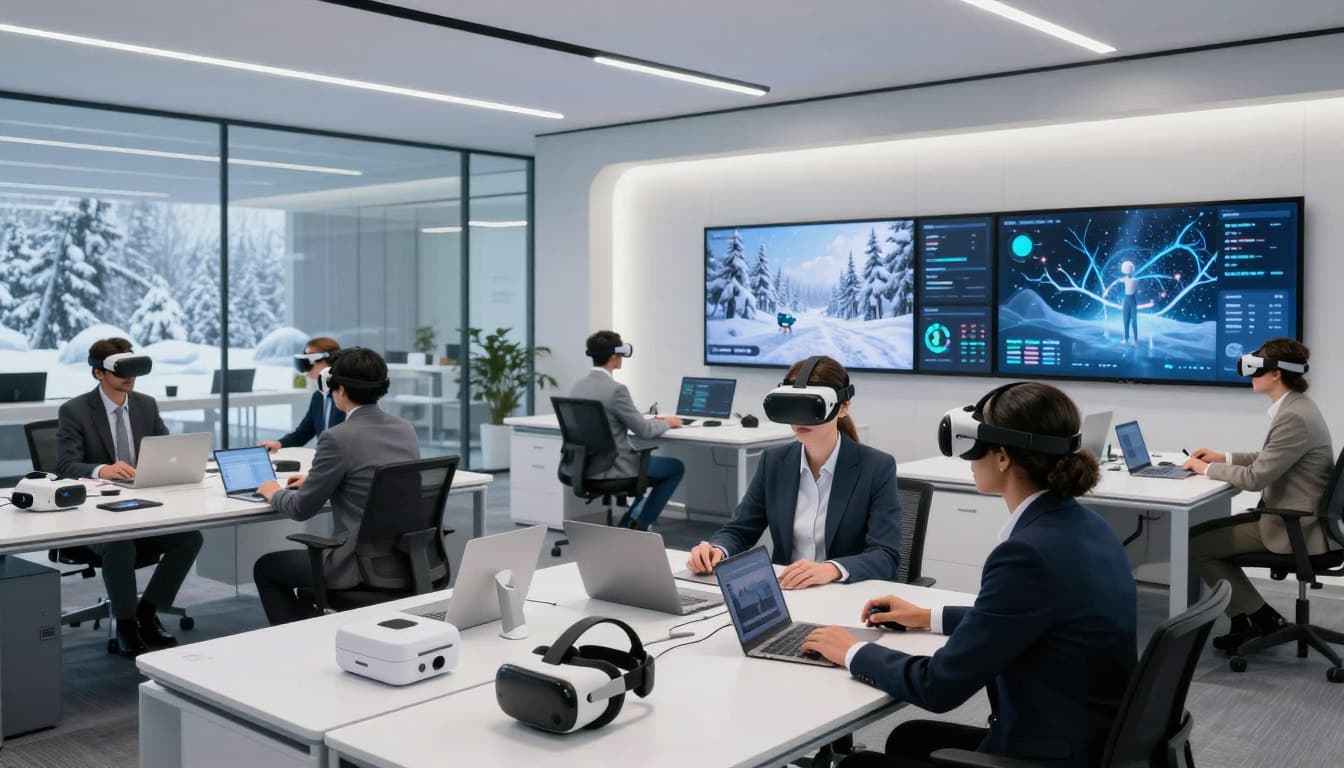
One of the most promising areas for VR is in enterprise training and simulation. Companies are increasingly using VR to provide immersive, hands-on training for employees. This approach has been shown to improve retention rates and reduce costs associated with traditional training methods.
For instance, Walmart has implemented VR training for its employees, resulting in improved customer service and operational efficiency. Other companies are following suit, recognizing the potential of VR to enhance workforce development.
Medical and Healthcare Applications
VR is also making significant inroads in the medical and healthcare sectors. It is being used for everything from surgical training to patient therapy. The precision and control offered by VR make it an invaluable tool for medical professionals.
A notable example is the use of VR in treating PTSD. Therapists are using VR to create controlled environments that help patients confront and overcome their trauma.
Successful VR Gaming Franchises
Gaming remains a stronghold for VR, with several franchises achieving significant success. Titles like Beat Saber and Superhot VR have garnered critical acclaim and commercial success, demonstrating the potential for VR games to engage and entertain.
Location-Based VR Entertainment
Location-based VR entertainment is another area experiencing growth. Venues offering VR experiences are popping up in major cities, providing users with immersive entertainment options that go beyond traditional gaming.
| Industry | VR Application | Benefits |
| Enterprise | Training and Simulation | Improved retention, reduced costs |
| Medical | Surgical training, patient therapy | Enhanced precision, controlled environments |
| Gaming | Immersive gaming experiences | Engagement, entertainment |
| Entertainment | Location-based VR | Unique experiences, social interaction |
11. The Road Ahead: Genuine Winter or Necessary Correction?
The recent cutbacks at Meta's Reality Labs have sparked debate about the future of virtual reality. As the industry watches closely, several factors will influence whether we're entering a genuine 'VR Winter' or merely a necessary correction.
Technology Maturation and Cost Reduction
One crucial aspect is the maturation of VR technology and the reduction of costs. As VR hardware and software become more sophisticated and affordable, adoption rates are likely to increase. Advancements in fields like display technology, motion tracking, and content creation tools will be key drivers of this growth.
Realistic Adoption Timeline Expectations
Understanding the timeline for VR adoption is essential. Historically, emerging technologies have followed a hype cycle before reaching mainstream acceptance. A realistic timeline considers both the technical challenges and market readiness.
Potential Catalyst Events
Certain events could catalyze the VR industry's growth. Two significant potential catalysts are:
Next-Generation Hardware Breakthroughs
Advances in hardware, such as improved resolution, lower latency, and more comfortable designs, can make VR more appealing to a broader audience. For instance, the development of standalone VR headsets has already expanded the market by reducing the need for expensive PCs or consoles.
Killer App Emergence
A 'killer app' – an application so compelling that it drives widespread adoption of the technology – could revitalize interest in VR. This could be a game, an educational tool, or a social platform that showcases VR's unique capabilities.
"The next big thing in VR will be driven by a combination of innovative hardware and software that together create an irresistible user experience."
— VR Industry Expert
| Potential Catalyst | Description | Impact |
| Next-Gen Hardware | Improved VR headsets with better resolution and comfort | Increased consumer adoption |
| Killer App | A highly engaging VR application or game | Drives mainstream acceptance |
In conclusion, while the current restructuring at Meta's Reality Labs may signal a period of adjustment, it doesn't necessarily indicate a 'VR Winter.' The future of VR will be shaped by technological advancements, market readiness, and potential catalyst events.
12. Conclusion
The recent restructuring at Meta Reality Labs has sparked concerns about a potential "VR Winter." However, understanding the current state of the VR industry requires a nuanced view, considering both the challenges and opportunities.
The VR industry outlook remains complex, with factors such as technological advancements, market demand, and investment trends influencing its trajectory. Meta Reality Labs' adjustments reflect a broader industry shift towards sustainability and efficiency.
Despite the current slowdown, the virtual reality future holds promise. Enterprise training, medical applications, and successful VR gaming franchises continue to drive growth. The industry's ability to innovate and adapt will be crucial in shaping its future.
As the VR landscape evolves, it's essential to monitor key indicators, including technological breakthroughs and changes in consumer behavior. By doing so, stakeholders can better navigate the challenges and capitalize on emerging opportunities.