Is VR Dead? Navigating Meta's Reality Labs Challenges
Many tech fans are asking a tough question lately. Is the dream of immersive worlds finally over? We see headlines daily questioning if Meta can truly turn its bold vision into a household staple for everyone.
Despite big promises, the path hasn't been smooth for the industry. Recent financial reports show huge spending with relatively slow returns for major developers. This has led many to wonder if VR is a dying dream or just hitting a temporary bump.
It is vital to look at the hard facts before we decide the future of this tech. While some critics are loud, the actual data often tells a much more nuanced story about consumer interest.

Adoption rates in the United States stay steady but are not growing as fast as experts once thought. Even so, the virtual reality space still holds massive potential for gaming, training, and remote work. We need to explore these current hurdles to see what comes next.
Key Takeaways
- Current financial losses at Meta highlight the high cost of innovation.
- Consumer adoption of VR headsets remains steady but faces growth plateaus.
- Hardware costs and comfort continue to be the biggest barriers for new users.
- Industrial and educational uses offer a bright spot for long-term growth.
- The market is shifting from pure hype to finding practical daily uses.
- Future success depends on better software and more affordable entry points.
The Reality Behind the "VR Is Dead" Headlines
The 'VR is dead' narrative has gained traction, but a closer look at the facts reveals a more nuanced reality. As we dive into the current state of virtual reality, it's essential to understand the factors contributing to this skepticism and the role of key players like Meta's Reality Labs.
Why Skepticism About VR Has Reached Peak Levels
Skepticism about VR has grown due to several factors, including the high cost of VR headsets, limited content, and the lack of clear, mainstream applications. Consumer adoption has been slower than expected, leading to doubts about its long-term viability.
What Meta's Reality Labs Actually Does
Meta's Reality Labs is at the forefront of VR innovation, focusing on developing advanced VR hardware and software. Their efforts include creating more immersive experiences and expanding VR's potential applications beyond gaming.
Setting the Stage: Understanding the Current Debate
The current debate around VR centers on its adoption rate and the challenges it faces. To understand the landscape, let's examine the key statistics:
| Category | 2019 | 2020 | 2021 |
| VR Headset Sales (Millions) | 5 | 7 | 10 |
| Investment in VR (Billion $) | 2 | 3.5 | 5.2 |
These figures indicate a steady growth in VR adoption and investment, suggesting that while challenges exist, the technology is not dying but evolving.
The Eye-Watering Financial Losses at Reality Labs
Behind the innovative VR technology developed by Meta's Reality Labs lies a complex financial reality. The division has been hemorrhaging money, raising concerns among investors and industry observers.
Breaking Down Meta's VR Investment Numbers
Meta's commitment to VR is evident in its financial investments. The company has been pouring billions into Reality Labs, with the aim of revolutionizing the VR landscape.
Over $46 Billion Lost Since 2019
The financial losses at Reality Labs have been staggering. Since 2019, the division has accumulated losses exceeding $46 billion. This figure is a testament to the significant resources Meta is dedicating to its VR ambitions.
| Year | Losses (in billions) |
| 2019 | $4.5 |
| 2020 | $6.7 |
| 2021 | $10.2 |
| 2022 | $13.7 |
| 2023 | $11.6 |
| Total | $46.7 |
How Wall Street and Investors Are Reacting
The reaction from Wall Street and investors has been mixed. While some see the long-term potential in Meta's VR strategy, others are concerned about the immediate financial implications.
The financial commitment required for VR innovation is significant, and the returns are not yet clear.
Comparing These Losses to Other Tech Moonshots
To put these losses into perspective, it's helpful to compare them with other significant tech investments. Amazon's early losses in its e-commerce push are often cited as a comparable example.
While Amazon took years to turn a profit, Meta's VR journey is still in its early stages. The key question is whether Reality Labs can achieve similar long-term success.
The Current State of Virtual Reality Adoption
The current state of VR adoption is a complex picture, influenced by technological progress, market demand, and competitive dynamics. As we assess the landscape, it's essential to consider various factors that contribute to its growth and challenges.
How Many People Actually Own VR Headsets?
Recent estimates suggest that around 15-20 million VR headsets have been sold worldwide. While this number may seem modest compared to other consumer electronics, it represents a significant installed base for VR content creators and developers. The Meta Quest series has been a major driver of consumer VR adoption.
Consumer Usage Patterns and Engagement Rates
Consumer usage patterns show that VR is primarily used for gaming, with popular titles driving headset sales. However, there's also a growing interest in non-gaming applications, such as fitness programs and social experiences. Engagement rates vary, with some users being highly active while others use their headsets less frequently.
The Growing Enterprise and Business Applications
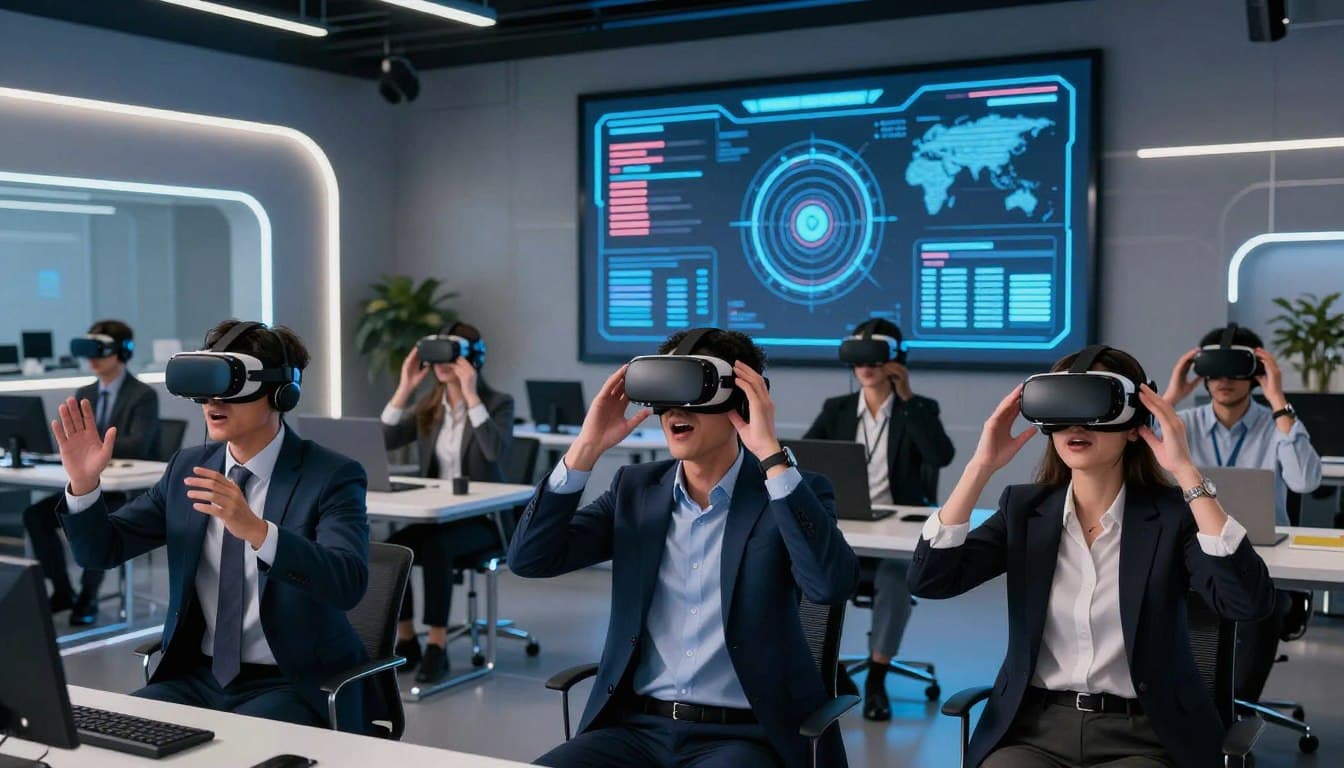
Beyond consumer use, VR is finding significant traction in enterprise and business applications. Industries such as healthcare, education, and manufacturing are leveraging VR for training, simulation, and other purposes. This segment is expected to drive substantial growth in the VR market.
Separating Hype from Market Reality
While VR has garnered significant attention, it's crucial to separate the hype from market reality. The adoption rate, though growing, is still in its early stages. Understanding the actual demand and use cases is vital for stakeholders to make informed decisions.
As VR continues to evolve, its adoption will be shaped by technological advancements, content availability, and market dynamics. By understanding the current state of VR adoption, we can better anticipate its future trajectory.
The Real Obstacles Holding VR Back From Mainstream Success
Several significant barriers are preventing VR from achieving its full potential in the consumer market. While VR technology has made considerable progress, it still faces numerous challenges that need to be addressed for it to become a mainstream phenomenon.
Hardware Challenges That Still Need Solving
The current state of VR hardware is one of the primary obstacles to its adoption. Despite advancements, VR headsets still suffer from several issues that detract from the user experience.
Headset Weight, Comfort, and Long-Term Wearability
One of the significant hardware challenges is the weight and comfort of VR headsets. Many users find current headsets too heavy or uncomfortable for extended use, limiting their appeal for prolonged gaming or productivity sessions.
Motion Sickness, Eye Strain, and Health Concerns
Another critical issue is the health concerns associated with VR usage, including motion sickness and eye strain. These problems can significantly impact the user experience and deter potential adopters.
Battery Life and Processing Power Limitations
Battery life and processing power are also significant limitations. Current VR headsets often require powerful PCs or consoles, limiting their portability and convenience. Moreover, battery life can be a constraint for standalone headsets, affecting their usability.
The Affordability Problem for Average Consumers
The cost of VR equipment is another significant barrier. High-end VR headsets and compatible hardware are often expensive, making them inaccessible to many potential users.
The Content Shortage and Missing Killer Applications
A lack of compelling content is a crucial factor holding back VR adoption. While there are some excellent VR experiences, the industry still needs more killer applications that can drive mainstream interest and adoption.
The VR industry must address these challenges to move towards mainstream success. By improving hardware, making VR more affordable, and developing more compelling content, the industry can overcome the current obstacles and unlock VR's full potential.
Where Meta's Reality Labs Went Wrong
The journey of Meta's Reality Labs has been marked by several strategic missteps and technological hurdles. Despite significant investment and a clear vision for the future of virtual reality, the division has faced numerous challenges that have impacted its progress.
The Metaverse Pitch That Confused Everyone
One of the significant missteps was the metaverse pitch, which, despite being ambitious, left many stakeholders confused about its objectives and potential impact. As Mark Zuckerberg noted, "The metaverse is the next generation of the internet, a more immersive and interactive version of the web." However, the lack of clarity around this concept led to skepticism among investors and consumers alike.
Quest Pro's Premium Pricing Miscalculation
The launch of Quest Pro, with its premium pricing strategy, was another area where Reality Labs faced challenges. The high price point made it inaccessible to many potential users, limiting its adoption. As a result, the expected market penetration was not achieved, leading to a reevaluation of the pricing strategy for future products.
Horizon Worlds and the Empty Virtual Spaces Problem
Horizon Worlds, Meta's virtual reality platform, has struggled with the issue of empty virtual spaces, detracting from the user experience. "The lack of engaging content and active users has been a significant hurdle," according to industry analysts. Efforts to improve content creation tools and encourage user engagement are underway to address this issue.
Organizational Challenges and Talent Retention Issues
Reality Labs has also faced organizational challenges, including talent retention issues. The competitive tech industry has made it difficult for Meta to retain top talent in the VR space. As
"The war for talent in VR is intense, and Meta is not immune to the challenges of keeping its experts engaged and committed to its vision."
noted by industry experts.
In conclusion, while Meta's Reality Labs has faced several challenges, the company is taking steps to address these issues and improve its VR strategy. By refining its approach to the metaverse, adjusting its pricing strategy, enhancing user experience on Horizon Worlds, and focusing on talent retention, Meta aims to strengthen its position in the VR market.
The Competitive Landscape Heating Up
As VR technology advances, the competition is heating up with major tech companies vying for dominance. The VR market is no longer a solo race; it's a multi-player game where innovation and strategy are key to success.
Apple Vision Pro's Different Approach to Spatial Computing
Apple's entry into the VR market with Vision Pro has brought a new level of sophistication. Apple Vision Pro focuses on spatial computing, integrating VR with AR to create a more immersive experience. This approach is expected to attract a broader audience, including those interested in augmented reality.

Sony PlayStation VR2 Dominating Gaming
Sony's PlayStation VR2 has made significant inroads in the gaming sector. With a strong lineup of exclusive games and improved hardware, it's become a favorite among gamers. The success of PS VR2 highlights the importance of content in driving VR adoption.
"The key to success in VR is not just about the hardware; it's about creating an ecosystem that enhances the user experience."
ByteDance, HTC, and Other Global Competitors
ByteDance and HTC are also major players in the VR competition. ByteDance's focus on social VR and HTC's high-end VR headsets offer different approaches to capturing market share. The diversity in strategies indicates a vibrant and competitive market.
| Company | Product | Focus Area |
| Apple | Vision Pro | Spatial Computing |
| Sony | PlayStation VR2 | Gaming |
| ByteDance | Pico VR | Social VR |
| HTC | HTC Vive | High-end VR |
What Meta Can Learn From the Competition
Meta can learn valuable lessons from its competitors. Focusing on user experience, developing killer applications, and diversifying VR products are crucial strategies. By understanding the strengths and weaknesses of its competitors, Meta can refine its approach to VR.
The competitive landscape in VR is not just about technology; it's about creating a compelling ecosystem that attracts and retains users. As the market continues to evolve, companies that adapt and innovate will lead the way.
Where Virtual Reality Is Actually Thriving Right Now
Despite the skepticism surrounding VR, there are several areas where it's making significant strides. While consumer adoption may be slower than expected, various industries are leveraging VR to drive innovation and efficiency.
Gaming Success Stories and Popular VR Titles
The gaming industry remains one of the strongest adopters of VR technology. Titles like Beat Saber and Half-Life: Alyx have not only garnered critical acclaim but have also driven sales of VR headsets. These games showcase the immersive potential of VR, offering experiences that traditional gaming platforms can't match.
Corporate Training Programs Delivering Real ROI
Companies are increasingly using VR for employee training, resulting in significant returns on investment (ROI). For instance, Walmart has implemented VR training for its employees, enhancing their skills in a simulated environment. This approach has improved training outcomes and reduced costs associated with traditional training methods.
Medical Applications and Therapy Breakthroughs
VR is revolutionizing the medical field by providing new tools for therapy and treatment. Exposure therapy for PTSD, pain management, and surgical training are just a few areas where VR is making a significant impact. VR therapy has shown promising results in helping patients overcome phobias and anxieties in a controlled environment.
Educational Institutions Embracing Immersive Learning
Educational institutions are adopting VR to enhance learning experiences. By providing students with interactive, immersive lessons, schools can improve engagement and understanding of complex subjects. For example, medical students can practice surgeries in a risk-free environment.
Architecture, Design, and Creative Industries
VR is also transforming the architecture, design, and creative industries by allowing professionals to visualize and interact with their designs in real-time. This capability enhances collaboration and reduces the likelihood of costly design flaws.
| Industry | VR Application | Benefits |
| Gaming | Immersive gaming experiences | Enhanced player engagement, new revenue streams |
| Corporate Training | Simulated training environments | Improved training outcomes, reduced costs |
| Medical | Therapy and treatment tools | Effective treatment options, improved patient outcomes |
| Education | Immersive learning experiences | Enhanced student engagement, better understanding of complex subjects |
| Architecture & Design | Real-time design visualization | Improved collaboration, reduced design flaws |
What the Future Actually Holds for Meta and VR Technology
The VR industry is at a crossroads, and Meta's Reality Labs is leading the charge into uncharted territory. As we look to the future, several key factors will determine the trajectory of VR technology and Meta's position within it.
Next-Generation Hardware Improvements Coming Soon
Meta is on the verge of releasing next-generation VR hardware that promises significant improvements over current models. These advancements are expected to address some of the existing hardware challenges, such as higher resolution, improved field of view, and enhanced user comfort.
Realistic Timelines for Mass Market Adoption
While VR technology has made significant strides, mass market adoption is still a few years away. Industry experts predict that it will take at least 2-3 years for VR to become mainstream, with Meta's continuous innovation being a key driver.
How Artificial Intelligence Will Transform VR Experiences
The integration of Artificial Intelligence (AI) into VR is set to revolutionize the user experience. AI can enhance VR by providing more realistic interactions, personalized experiences, and dynamic content generation.

The Strategy Shifts Meta Must Make to Succeed
To succeed in the competitive VR landscape, Meta needs to focus on developing compelling content and improving user engagement. This involves not only investing in hardware but also creating a robust ecosystem that attracts developers and users alike.
Mixed Reality as the Bridge to Broader Acceptance
Mixed Reality (MR) is emerging as a potential bridge between the virtual and real worlds, enhancing user experience by seamlessly blending digital information with the physical environment. Meta's exploration of MR could be a crucial step towards broader VR adoption.
| Key Factors | Current Status | Future Prospects |
| Hardware Advancements | Significant improvements in resolution and field of view | Further enhancements for comfort and interactivity |
| AI Integration | Initial implementations for personalized experiences | Advanced AI-driven interactions and content generation |
| Mixed Reality Adoption | Early stages of development and testing | Widespread adoption as a bridge to broader VR acceptance |
In conclusion, the future of Meta and VR technology is intertwined with advancements in hardware, AI, and strategic shifts in content development and user engagement. As Meta navigates these challenges, the potential for VR to become a mainstream technology grows.
Virtual Reality's Future: Challenges and Opportunities
Meta's Reality Labs has faced significant challenges in its pursuit of advancing virtual reality technology. Despite substantial investments, the company has incurred considerable financial losses, sparking debate about the viability of VR.
The current state of VR adoption is marked by limited consumer engagement and a shortage of compelling content. Hardware challenges, affordability issues, and the absence of killer applications have hindered mainstream success.
However, VR is thriving in specific niches, such as gaming, corporate training, and medical applications. The technology has shown promise in delivering real ROI and improving outcomes in these areas.
To achieve mainstream success, Meta must address the existing challenges and capitalize on emerging opportunities. The integration of artificial intelligence and advancements in next-generation hardware will be crucial in transforming VR experiences.
As the competitive landscape continues to evolve, Meta's Reality Labs must adapt and innovate to remain at the forefront of the VR industry. By doing so, the company can unlock the full potential of virtual reality and drive its adoption across various sectors.