Future-Proof Your Workforce: The Power of VR Job Training
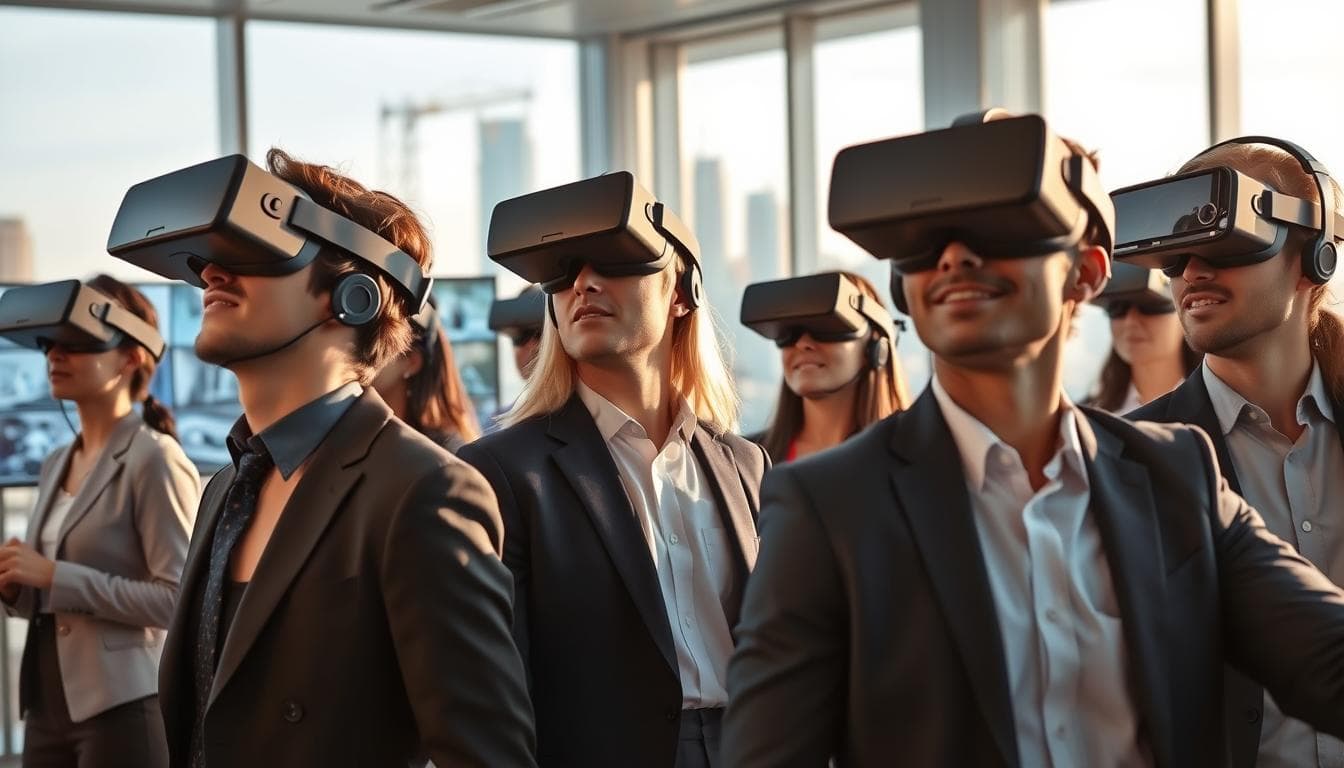
The modern workplace is constantly evolving, and companies are looking for innovative ways to upskill their employees. One technology that's gaining traction is VR training, which offers an immersive and interactive learning experience.

By leveraging VR training, organizations can provide their workforce with hands-on experience in a controlled environment, reducing the risk of errors and improving knowledge retention. This approach is particularly effective for industries that require complex equipment operation or high-stakes decision-making.
As the workforce continues to evolve, it's essential for companies to adopt new technologies that support employee development and drive business success.
Key Takeaways
- VR training offers an immersive learning experience for employees.
- It reduces the risk of errors and improves knowledge retention.
- VR training is particularly effective for complex equipment operation and high-stakes decision-making.
- Adopting VR training supports employee development and drives business success.
- It's an innovative solution for upskilling employees in a rapidly evolving workplace.
The Evolution of Workplace Training: From Classrooms to Virtual Reality
The way companies approach employee training is evolving rapidly, with virtual reality emerging as a game-changer in corporate learning. As technology advances and the workforce becomes increasingly diverse, organizations are seeking more effective and engaging training methods.
Traditional Training Methods and Their Limitations
For decades, corporate training has relied heavily on traditional methods such as classroom instruction, PowerPoint presentations, and on-the-job training. While these approaches have their merits, they also come with significant limitations.
Cost and Scalability Issues
Traditional training methods can be costly and difficult to scale. Classroom training requires physical space, travel, and accommodation for trainers and trainees, making it expensive. Moreover, scaling this type of training to accommodate a large or dispersed workforce can be challenging.
Engagement and Retention Challenges
Conventional training methods often struggle to maintain learner engagement. Passive listening or reading can lead to low retention rates, as trainees may find the material dry or irrelevant. Interactive elements are crucial for keeping learners involved and ensuring they absorb the information.
The Digital Transformation of Corporate Learning
The digital transformation has revolutionized corporate learning, offering new avenues for training and development. Virtual Reality (VR) and other immersive technologies are at the forefront of this change, providing interactive and engaging learning experiences.
VR technology allows trainees to practice skills in a safe, controlled environment, which is particularly valuable for high-risk professions. This immersive approach enhances knowledge retention and improves the application of learned skills on the job.
How VR Creates Memorable Learning Experiences
VR creates memorable learning experiences by placing learners in realistic scenarios that simulate real-world challenges. This experiential learning approach helps trainees develop critical thinking and problem-solving skills in a risk-free environment.
By leveraging VR, companies can provide consistent training across different locations, ensuring that all employees receive the same high-quality instruction. This consistency is particularly important for organizations with global or remote workforces.
Understanding Virtual Reality Training: Core Concepts and Technologies
The effectiveness of VR training stems from its unique blend of technological innovations and pedagogical principles, which we'll explore in detail.
What Makes VR Different from Other Training Methods
VR training distinguishes itself through its ability to create immersive experiences that simulate real-world environments. This immersion is key to its effectiveness.
Immersion and Presence: The Key Advantages
Immersion in VR training refers to the sense of being fully engaged in the virtual environment. This is achieved through a combination of high-quality visuals, spatial audio, and sometimes haptic feedback. The result is a heightened sense of presence, making the training feel more realistic and impactful.
Experiential Learning in Safe Environments
One of the significant benefits of VR training is its ability to provide experiential learning opportunities in a completely safe environment. Trainees can practice complex or hazardous tasks without risking injury or damage.
Key Components of VR Training Systems
VR training systems typically consist of several key components:
- High-resolution head-mounted displays (HMDs) or VR headsets
- Controllers or other input devices
- Advanced software for creating and managing virtual environments
- Sometimes, additional hardware like haptic feedback devices or motion sensors
The Science Behind Immersive Learning
The science behind immersive learning in VR is rooted in how our brains process information. When trainees are fully immersed in a virtual environment, their brains are more likely to absorb and retain the information being presented. This is because immersive learning engages multiple senses, enhancing memory recall and skill acquisition.
By understanding the core concepts and technologies behind VR training, organizations can better harness its potential to revolutionize their training programs.
The Business Case for VR Training: ROI and Performance Metrics
In today's fast-paced business environment, leveraging VR for training purposes is not just a trend, but a strategic move towards improving ROI and employee performance. As companies continue to seek innovative ways to enhance their workforce's skills and productivity, the adoption of VR training is becoming increasingly crucial.
Cost Analysis: Initial Investment vs. Long-term Savings
One of the primary concerns for businesses considering VR training is the initial investment. While the upfront costs can be significant, it's essential to weigh these against the long-term savings. VR training can reduce costs associated with traditional training methods, such as travel, accommodation, and equipment. Moreover, VR training can be reused multiple times, amortizing the initial investment over numerous training sessions.
Key cost-saving areas include:
- Reduced travel and accommodation expenses
- Lower equipment and maintenance costs
- Minimized instructor fees
- Decreased training time, leading to increased productivity
Measuring Training Effectiveness and Knowledge Retention
To justify the investment in VR training, it's crucial to measure its effectiveness. This involves assessing knowledge retention, skill development, and the application of learned skills on the job. VR training programs can be designed to include assessment tools and analytics, providing insights into trainee performance and identifying areas for improvement.
Performance Improvement Indicators
Key performance indicators (KPIs) for VR training effectiveness may include:
- Pre- and post-training assessment scores
- Time-to-proficiency metrics
- Employee confidence and competence levels
- Reduction in errors or incidents
Time-to-Proficiency Acceleration
VR training can significantly accelerate the time it takes for employees to reach proficiency in their roles. By providing immersive, hands-on experience, VR training enables learners to practice and apply their skills in a safe and controlled environment, reducing the learning curve and improving job readiness.
Case Studies: Companies Seeing Real Results with VR
Several companies have already realized significant benefits from implementing VR training. For instance, a leading manufacturing company reported a 30% reduction in training time and a 25% decrease in equipment damage after adopting VR training for their assembly line workers. Similarly, a healthcare provider saw a 40% improvement in surgical procedure times following VR training for their medical staff.
These case studies demonstrate the potential of VR training to drive tangible improvements in performance and ROI. As more businesses adopt this technology, the evidence supporting its effectiveness continues to grow.
High-Risk Industries Transformed by VR Training
Virtual reality (VR) is revolutionizing high-risk industries by providing immersive training experiences that enhance safety and reduce risks. Industries such as healthcare, manufacturing, and emergency response are at the forefront of adopting this technology to improve their training programs.
Healthcare: Practicing Procedures Without Patient Risk
The healthcare industry is one of the significant beneficiaries of VR training. Medical professionals can now practice complex procedures without risking patient safety. This not only improves their skills but also enhances patient care.
Surgical Training Applications
VR is being used to train surgeons in various procedures, from basic surgeries to complex operations. This training includes:
- Simulated surgeries allowing for the practice of rare or complex procedures.
- Real-time feedback on the surgeon's performance.
- Customizable scenarios to address specific learning needs.
Patient Interaction Scenarios
Beyond surgical training, VR is also used to improve patient interaction skills. This includes:
- Simulated patient consultations.
- Training for breaking bad news or handling sensitive situations.
- Enhancing empathy and communication skills.

Manufacturing and Industrial Safety Training
In manufacturing, VR training is used to enhance industrial safety. Workers can be trained in a controlled environment to handle heavy machinery, navigate hazardous areas, and respond to emergencies.
The benefits include:
- Reduced risk of accidents during training.
- Increased retention of safety procedures.
- Customizable training scenarios to fit specific workplace hazards.
Emergency Response and Crisis Management
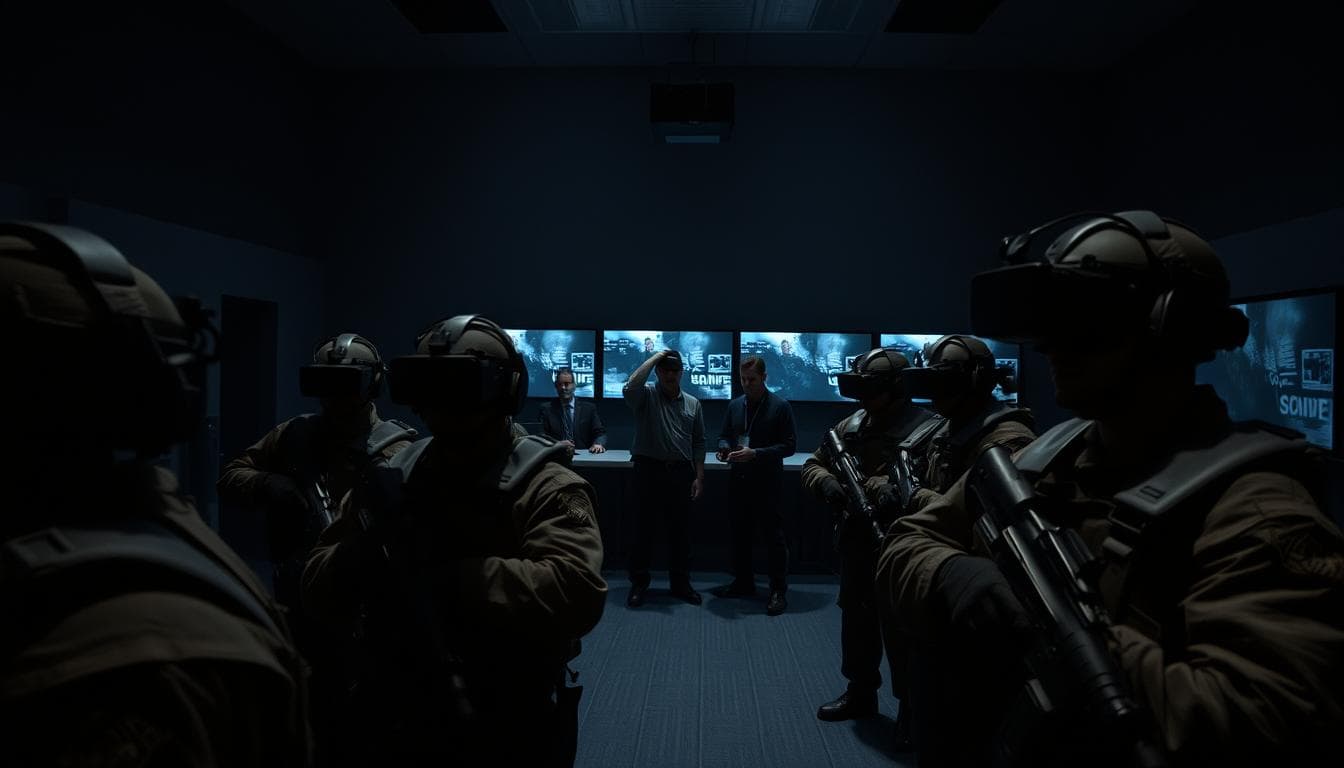
VR is also transforming emergency response training. Teams can practice responding to various crisis scenarios, from natural disasters to industrial accidents, in a safe and controlled environment.
This training includes:
- Simulated emergency scenarios.
- Coordination and communication training among response teams.
- Practice in decision-making under pressure.
By adopting VR training, high-risk industries can significantly reduce the risks associated with traditional training methods, leading to safer and more efficient operations.
Soft Skills Development in Virtual Environments
Virtual Reality (VR) is revolutionizing the way companies approach soft skills development, offering immersive experiences that enhance leadership, customer service, and diversity training. This innovative technology is not just about technical skills; it's about creating a more empathetic, effective, and inclusive workforce.
Leadership and Management Training
Leadership training is a critical aspect of any organization's growth. VR provides a unique platform for leaders to develop essential skills such as decision-making, communication, and team management. For instance, VR scenarios can simulate complex workplace situations, allowing leaders to practice and refine their skills in a risk-free environment.
Key benefits of VR in leadership training include:
- Enhanced decision-making skills through realistic simulations
- Improved communication skills through interactive scenarios
- Increased empathy by experiencing different perspectives
Customer Service and Sales Scenarios
Customer service and sales are areas where soft skills are paramount. VR training programs can simulate various customer interactions, from routine queries to complex complaints, allowing representatives to practice and improve their responses. This immersive training helps in developing a more customer-centric approach and can lead to improved sales performance.
| Traditional Training | VR Training |
| Limited scenarios | Realistic, varied scenarios |
| Passive learning | Interactive, engaging |
| Difficulty in replicating real-world stress | Simulates real-world stress and pressure |
Diversity, Equity, and Inclusion Training
Diversity, equity, and inclusion (DEI) training is crucial for creating a welcoming and respectful workplace. VR experiences can be designed to increase empathy and understanding by putting users in scenarios that challenge their biases and encourage perspective-taking.
Creating Empathy Through Virtual Experiences
One of the most powerful aspects of VR is its ability to create empathy. By immersing users in experiences that simulate the challenges faced by different groups, VR can foster a deeper understanding and appreciation of diversity. For example, a VR experience might simulate the daily challenges faced by someone with a disability, promoting empathy and understanding among participants.
"VR has the potential to revolutionize DEI training by making it more impactful and memorable. By experiencing different perspectives in a deeply immersive way, employees can develop a more profound understanding of the importance of inclusion."
— Expert in Diversity Training
As we continue to explore the potential of VR in soft skills development, it's clear that this technology offers a wide range of benefits. From leadership training to customer service and DEI programs, VR is poised to make a significant impact on how we develop the skills needed for success in today's business environment.
Implementing VR Training Programs: A Step-by-Step Guide
Implementing a VR training program requires careful planning and a thorough understanding of your organization's specific needs. To ensure a successful rollout, it's essential to follow a structured approach that addresses your training objectives, technology requirements, and content needs.
Assessing Your Organization's Training Needs
The first step in implementing a VR training program is to assess your organization's training needs. This involves identifying the skills or knowledge gaps that VR can effectively address. Consider the following factors:
- The complexity of tasks that require training
- The frequency of training needed
- The potential impact of VR on improving performance
By understanding these factors, you can determine whether VR training is suitable for your organization and where it can have the most significant impact.
Selecting the Right VR Hardware and Software
Choosing the appropriate VR hardware and software is critical to the success of your training program. This decision depends on several factors, including your training objectives, budget, and the technical infrastructure available.
Standalone vs. PC-Connected Systems
When selecting VR hardware, one of the key decisions is whether to use standalone or PC-connected systems. Standalone VR headsets, like Oculus Quest, offer greater mobility and ease of use, making them ideal for certain training scenarios. On the other hand, PC-connected systems provide more advanced graphics and processing power, which may be necessary for complex training simulations.

In addition to VR hardware, selecting the right content platforms and development tools is crucial. Some popular options include:
- Content creation platforms like Unity or Unreal Engine
- VR content marketplaces that offer pre-made training modules
- Custom development tools for creating tailored training experiences
These tools enable you to create or acquire high-quality VR content that aligns with your training objectives.
Developing Custom Content vs. Off-the-Shelf Solutions
When it comes to VR training content, organizations have two primary options: developing custom content or using off-the-shelf solutions. Custom content development allows for tailored training experiences that closely match your organization's specific needs. However, it can be more costly and time-consuming. In contrast, off-the-shelf solutions are readily available and can be more cost-effective but may not perfectly align with your training requirements.
The choice between these options depends on your organization's specific needs, budget, and the complexity of the training content required.
Rolling Out Your Program and Training the Trainers
Once you have selected your VR hardware, software, and content, it's time to roll out your training program. This involves not only deploying the technology but also training the trainers. Ensure that those who will be administering the VR training are comfortable with the technology and understand how to effectively integrate it into their training sessions.
By following these steps and carefully planning your VR training implementation, you can maximize the benefits of this innovative training method and enhance your organization's performance.
Overcoming Challenges in VR Training Adoption
VR training offers immense potential, but its adoption is fraught with challenges that organizations must overcome. As companies increasingly turn to virtual reality for workforce development, understanding and addressing these hurdles is crucial for successful implementation.
Addressing Technology Resistance and Generational Gaps
One of the primary challenges in VR training adoption is resistance to new technology. Some employees may be hesitant to embrace VR due to unfamiliarity or concerns about complexity. To mitigate this, organizations should invest in comprehensive training programs that introduce VR technology in an accessible way.
Strategies to overcome technology resistance include:
- Providing hands-on training sessions to familiarize employees with VR equipment and interfaces.
- Highlighting the benefits of VR training, such as improved retention rates and reduced risk in high-stakes environments.
- Offering support and resources for employees who may need additional assistance.
Technical Hurdles and Infrastructure Requirements
Implementing VR training programs requires a robust technical infrastructure. Organizations must consider both the hardware and software requirements for effective VR training.
Network and Space Considerations
A stable and high-speed network connection is essential for smooth VR experiences, particularly for cloud-based VR solutions. Additionally, sufficient physical space is needed for employees to use VR equipment safely.
Maintenance and Support Planning
Regular maintenance of VR equipment is crucial to prevent technical issues. Organizations should also establish a support system for troubleshooting and addressing user concerns promptly.
The following table outlines key technical considerations for VR training infrastructure:
| Technical Requirement | Description | Importance Level |
| High-Speed Network | Stable internet connection for cloud-based VR | High |
| VR Hardware | Headsets, controllers, and compatible computers | High |
| Physical Space | Safe area for VR usage without obstruction | High |
| Software Updates | Regular updates for VR applications and drivers | Medium |
| Technical Support | Availability of IT support for VR-related issues | High |
Ensuring Accessibility and Inclusivity
To ensure that VR training is effective for all employees, organizations must prioritize accessibility and inclusivity. This includes designing VR experiences that accommodate different learning styles and abilities.
By addressing these challenges and implementing strategies to overcome them, organizations can successfully adopt VR training and reap its benefits.
The Future of Virtual Reality in Workforce Development
As we look to the future, virtual reality is poised to revolutionize workforce development in ways we are just beginning to understand. The convergence of emerging technologies is creating new opportunities for immersive learning experiences that are more effective, efficient, and engaging than ever before.
Emerging Technologies: AR, MR, and the Metaverse
The future of VR in workforce development is closely tied to other emerging technologies like Augmented Reality (AR) and Mixed Reality (MR). These technologies are blurring the lines between the physical and digital worlds, creating new possibilities for interactive training.
- AR is enhancing real-world environments with digital information, making it ideal for on-the-job training.
- MR is merging real and virtual worlds to create new environments where physical and digital objects co-exist.
- The metaverse is emerging as a shared, immersive and interactive virtual reality where users can create their own avatars and environments and engage with other users in real time.
AI Integration and Personalized Learning Paths
The integration of Artificial Intelligence (AI) with VR is opening up new possibilities for personalized learning paths. AI can analyze learner behavior, adapt training content in real-time, and provide personalized feedback, making the learning experience more effective and efficient.
Some key benefits of AI integration in VR training include:
- Adaptive learning experiences tailored to individual learner needs.
- Real-time assessment and feedback mechanisms.
- Continuous improvement of training content based on learner performance data.
Preparing for the Next Generation of Workers
As we look to the future, it's crucial to consider the expectations of the next generation of workers, including Gen Z and Alpha. These digital natives are growing up with immersive technologies and have different expectations for their learning experiences.
Gen Z and Alpha Expectations for Learning
Gen Z and Alpha are accustomed to interactive, game-like experiences in their personal lives, and they expect similar engagement in their professional development. To meet these expectations, organizations will need to adopt more immersive, interactive, and personalized training approaches.
| Generation | Learning Preferences | Implications for VR Training |
| Gen Z | Interactive, visual, and immersive experiences | More emphasis on gamification and real-time feedback |
| Gen Alpha | Highly interactive, AI-driven, and adaptive learning | Increased use of AI for personalized learning paths |
Conclusion: Taking the First Steps Toward VR-Powered Training
As we've explored throughout this article, VR job training is revolutionizing the way organizations develop their workforce. By providing immersive, interactive, and memorable learning experiences, VR-powered training is proving to be a game-changer in various industries.
To start your VR-powered training journey, begin by assessing your organization's training needs and identifying areas where VR can have the most impact. Consider the implementation steps involved in selecting the right VR hardware and software, developing custom content, and rolling out your program.
Companies like Boeing and UPS are already seeing real results with VR training, and it's time for your organization to follow suit. By taking the first steps toward VR-powered training, you'll be well on your way to future-proofing your workforce and staying ahead of the competition.